
Updated September 4, 2026
Searches for a Qustodio bypass usually come from two very different situations. A parent may have blocked a child’s entire device by mistake, or a child may be looking for a hidden workaround. The first problem has legitimate fixes. The second is a sign that the family needs better configuration and a conversation about why the rule exists.
Qustodio runs differently on Android, iPhone, Windows, and Mac. Before changing anything, record the affected device, operating-system version, rule, time of failure, and whether the device still appears online in the parent dashboard.
How to Bypass Qustodio as the Account Owner
Temporarily disable protection
On a supported mobile device, open the Qustodio Kids app, choose Manage, and sign in with the parent account. Select Disable Protection, then choose whether to pause it for a fixed period or until you turn it on again. This is useful when a legitimate school, travel, or accessibility need is being blocked.
Change the rule instead of removing everything
Open the Parents App or Family Portal and identify the rule producing the block. Check daily limits, restricted times, web filtering, app rules, and the assigned child profile. A narrow correction preserves the rest of the family’s settings and produces a clearer audit trail than uninstalling the app.
Remove Qustodio from an owned device
Qustodio’s official Android process requires the parent account password: open Qustodio Kids, sign in, disable protection, and select Remove Qustodio. Then remove the old device from the parent dashboard so it no longer consumes a device slot. Use Qustodio’s current Android removal instructions because menu names can change.
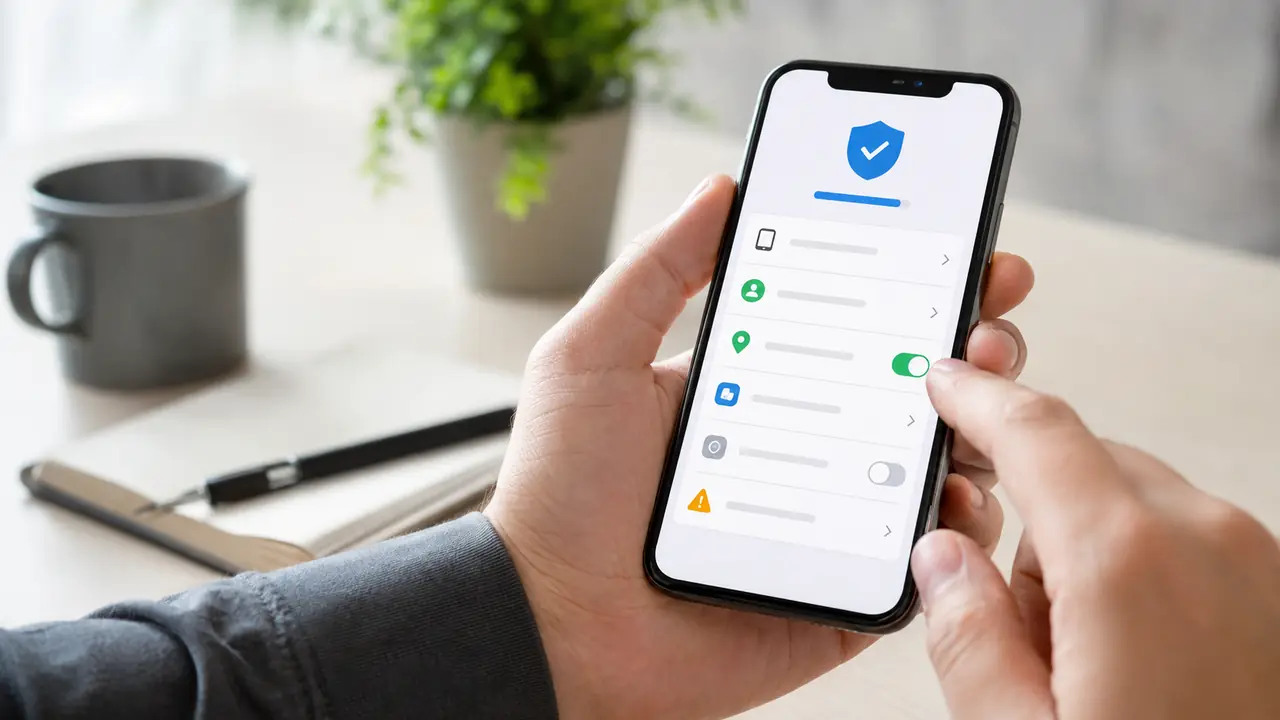
Fix Common Qustodio Problems
| Problem | Likely check | Parent action |
|---|---|---|
| Activity stopped updating | Battery optimization, background permission, or an outdated app. | Update Qustodio and allow the required background operation. |
| Wrong child is monitored | The device user is assigned to the wrong profile. | Correct the profile assignment from Devices. |
| Legitimate site is blocked | Web category, unsupported browser, or custom rule. | Review web filtering and browser support. |
| Device is locked unexpectedly | Daily time limit, restricted time, or time-zone mismatch. | Correct the schedule and verify the device clock. |
| Internet fails on iPhone | The Qustodio VPN may not work with the current network. | Use the parent controls to pause protection while troubleshooting. |
Qustodio lists current Android requirements and troubleshooting on its official Android help page. Its iPhone behavior relies partly on a VPN profile, so an incompatible network can require a temporary parent-authorized pause.
Why Workarounds Are a Weak Fix
Old posts may suggest changing the time, using an unsupported browser, disabling permissions, creating another user, or interfering with a VPN. These workarounds are unreliable, may expose the device to unsafe sites, and can break reporting without solving the underlying family problem. They can also teach a child to hide activity rather than ask for an exception.
Parents should protect Android settings, disable unnecessary user profiles, keep the operating system current, and check the dashboard after major device updates. If a rule is too strict, adjust it openly. If Qustodio regularly fails on the family’s devices, compare another service based on compatibility rather than on marketing claims.
Audit the Setup After a Suspected Bypass
A missing hour in the activity timeline does not prove that someone deliberately defeated Qustodio. The device may have been offline, battery optimization may have stopped the service, the child may have used an unsupported browser, or the app may have lost a required permission after an operating-system update.
- Compare the last reported time with the device’s network and battery history.
- Confirm that the correct child profile and device user are still connected.
- Review administrator, accessibility, VPN, notification, and background permissions.
- Check whether a new browser, user profile, or power-saving mode appeared.
- Update the app, restart the device, and run a short supervised test.
If reporting resumes during the test, document the setting that fixed it. If it does not, contact Qustodio support with the device model, operating-system version, app version, and approximate time the reporting stopped. That information is more useful than reinstalling repeatedly.
Set Rules That Are Easier to Enforce
Use schedules that match the child’s actual school and sleep routine. Keep emergency calling and essential communication available. Explain the process for requesting extra time, and review blocked categories together. A clear rule with a reasonable exception process is more likely to work than a blanket restriction that interrupts homework or family communication.
Check the activity dashboard weekly at first, then reduce the frequency when the setup is stable. The objective is a dependable safety system, not constant surveillance. Age-appropriate privacy and open expectations matter as much as the software.
When to Consider a Qustodio Alternative
Consider changing products when the required device is unsupported, the reporting workflow does not match the family’s needs, or the same technical failure returns after correct installation. Read our Qustodio review, screen-time app comparison, and iPhone parental-control guide before paying for another subscription.
See a Different Monitoring Workflow
Sphnix provides a dashboard for authorized device review. Open the demo first and compare its device, activity, location, alert, and reporting screens with the controls your family actually needs.
Frequently Asked Questions
Can a parent temporarily disable Qustodio?
Yes. The parent can sign in through the Qustodio Kids app or parent controls and choose a temporary disable option.
Why did Qustodio stop reporting Android activity?
Battery optimization, missing background permissions, an unsupported browser, an outdated app, or the wrong profile assignment are common causes.
Can I remove Qustodio without the parent password?
The supported removal process requires the account owner’s credentials. If you own the account but forgot the password, recover it through Qustodio instead of trying to defeat device protection.
Does Sphnix bypass Qustodio?
No. Sphnix is an alternative authorized monitoring workflow. It does not disable Qustodio or override another administrator’s controls.
Leave a Reply