
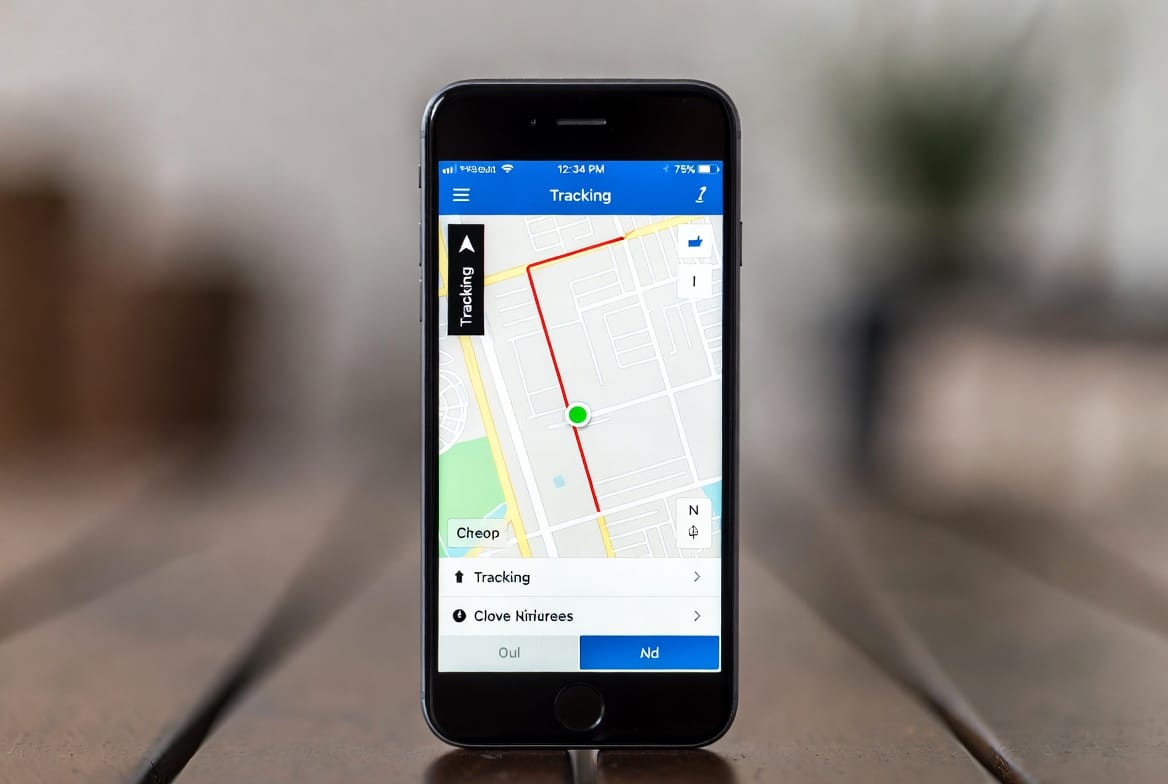
Use a permission-based setup. The most reliable way to track someone location with phone number is to send a location-sharing request or configure family sharing together. The number identifies where to send the request; GPS data still comes from the phone after its user approves sharing.
This page focuses on setup rather than product rankings. First decide whether you are finding your own missing phone, requesting a temporary check-in, or managing a child’s device. Then use the matching steps below.
Step-by-step location setup
- Confirm authority: use your own phone, a dependent child’s device, or obtain the adult owner’s permission.
- Select the route: Find My for an Apple device, Google tools for Android, a location link for a one-time request, or an authorized family app for ongoing reports.
- Complete setup on the phone: enable location, grant the required permission, and confirm the correct family or product account.
- Test the result: move the phone a short distance and check the timestamp and accuracy.
- Set expectations: explain alerts, retention, battery effects, and how sharing can be paused.
The desire to know someone’s whereabouts is a common concern, whether you’re a worried parent, a partner seeking reassurance, or trying to locate a lost device. reliable phone tracking methods A simple online search for how to track someone location with phone number do this will flood you with ads promising the impossible: real-time GPS tracking using nothing but a phone number. As someone with over a decade of experience in digital security and monitoring technologies, I’m here to separate persistent myths from practical reality. This guide will explain why a phone number alone is not a tracking beacon,
Updated February 2026
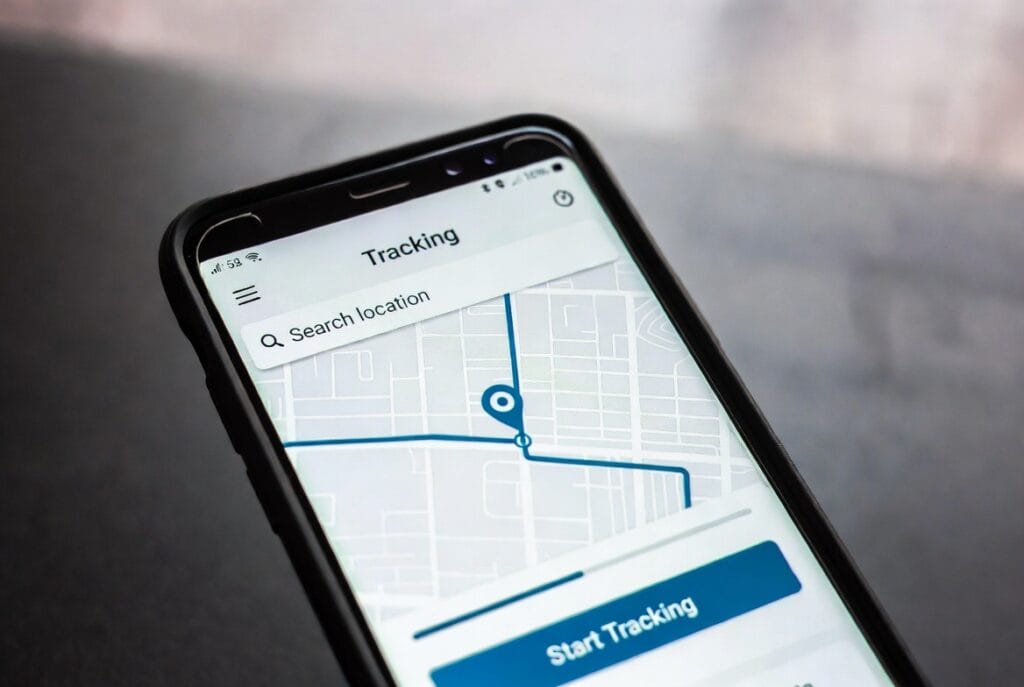
reveal the methods that actually work, and provide a professional analysis of reliable phone tracking methods the tools available, all while emphasizing the critical importance of legality and consent.
Table of Contents reliable phone tracking methods
The Hard Truth About Phone Numbers and Location Tracking
Let’s address the most significant misconception first: You cannot obtain real-time GPS location coordinates using only a target’s phone number. A mobile number is an identifier for a SIM card on a cellular network, not a GPS transmitter. While network providers can approximate a general area through cell tower triangulation for emergency services, this data is private, protected by strict laws, and inaccessible to the public or commercial apps.
True, precise location data comes from the smartphone itself—its GPS chip, Wi-Fi connections, and mobile data. Therefore, the practical question shifts from “how to use a phone number” to “how to legitimately access location data from a device.” This is a crucial distinction. Effective methods always require either the explicit consent of the device user or lawful access to a device you own and manage, such as one used by your minor child.
Legitimate Methods for Location Tracking
Given the phone number limitation, what actually works? There are two primary pathways, both requiring some form of initial setup or access.
- Built-in, Consent-Based Sharing: For transparent tracking among family and friends, built-in tools are the best option.
- Apple Find My: This is the most robust system for Apple devices. You can share your location directly with contacts or use Family Sharing to see the location of family members’ devices. It requires knowing the person’s Apple ID or being in their Family Sharing group and works through an encrypted, anonymous network.
- Google Maps Location Sharing: For cross-platform tracking (Android to iPhone or vice versa), Google Maps allows users to share their real-time location for a set period with anyone they choose.
- Parental Control and Monitoring Software: For parents who need to oversee their children’s safety, dedicated apps provide comprehensive monitoring. These tools require installation and configuration on the target device but offer features far beyond simple location tracking.
A Look at Monitoring Solutions: Eyezy, Spynger, and Sphnix
The following table compares the core attributes of the three applications specified. It’s imperative to remember that these are designed for parental control and using them to monitor adults without consent is illegal in most jurisdictions.
Eyezy: The Digital Activity Monitor
Eyezy is built for parents who need deep insight into their child’s digital life, with a strong emphasis on social media and communication monitoring.

Standout Features:
- Social Spotlight: This feature aggregates data from popular social platforms and messaging apps like Instagram, WhatsApp, and Facebook, giving you a centralized view of interactions.
- Keyword Alerts: You can set alerts for specific words or phrases, prompting immediate notifications if they appear in messages or searches, which is crucial for catching signs of bullying or harmful behavior.
- GPS Location & Geofencing: Provides real-time location tracking and allows you to set safe or restricted zones (geofences), receiving alerts when the device enters or leaves them.
Considerations: To unlock its full potential on iOS, some advanced features may require jailbreaking the target iPhone, which compromises device security and voids warranties.
Spynger: The Focused Phone Tracker
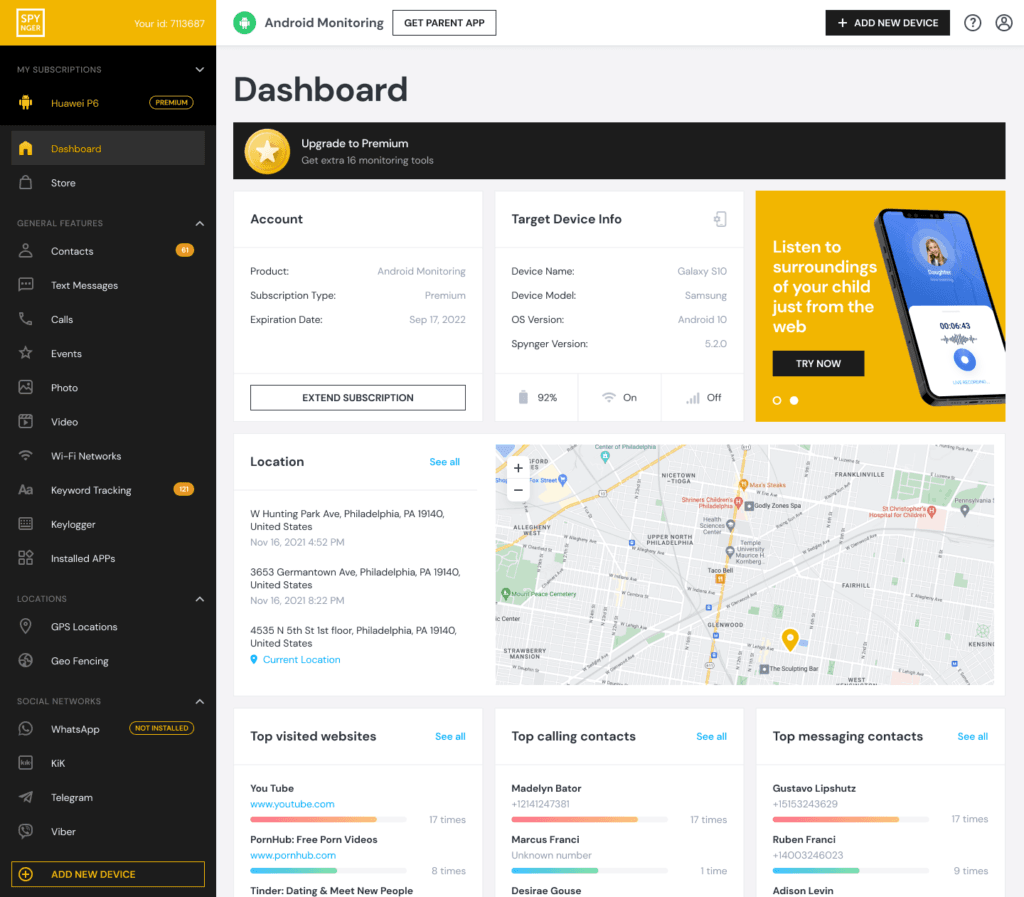
Spynger presents itself as a tool for comprehensive phone monitoring, focusing on core tracking functions.
Reported Features:
- Real-Time GPS Tracking: The app promises live location tracking on a map.
- Call and SMS Monitoring: Allows review of call logs and text message history.
- Social Media Activity Tracking: Monitors activity on various social platforms.
Important User Feedback: Independent research is essential. User reviews for apps in this category often highlight that performance can vary, and some “track by number” claims are misleading. Always verify recent, unbiased reviews before committing.
The Reality of “Sphnix” and Hire-a-Hacker Services
The link labeled “Sphnix” directs to a professional cybersecurity marketplace. This is a critical distinction:
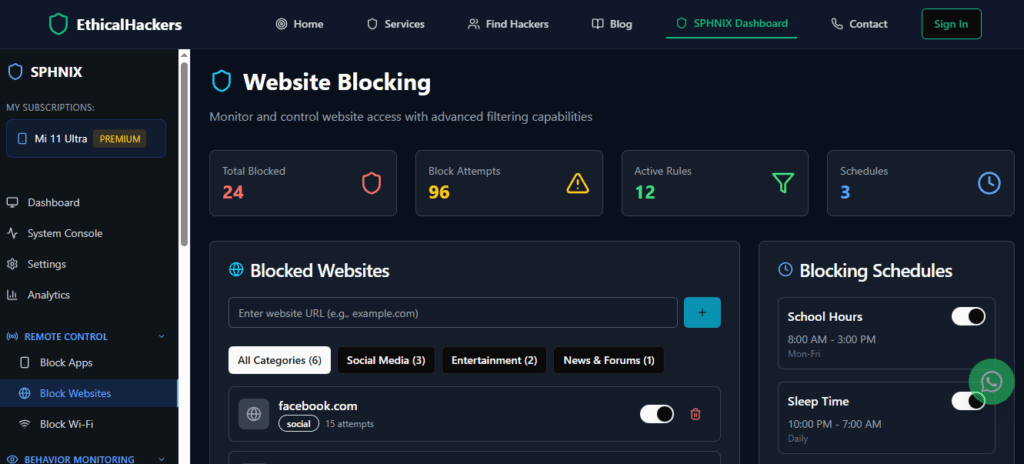
- These are not consumer spy apps. Legitimate platforms like these connect businesses with vetted ethical hackers for services like penetration testing—essentially, hiring experts to lawfully hack the company’s own systems to find security weaknesses.
- A Major Warning: Any individual or service that advertises the ability to hack personal phones or email accounts for private clients is almost certainly a scam. Engaging with them risks financial fraud, blackmail, or legal repercussions. Professional ethical hackers operate under strict legal contracts and do not accept illegal surveillance jobs.
Choosing the Right Tool for Your Needs
Your choice depends entirely on your lawful purpose:
- For consensual, transparent location sharing with family, use Apple Find My or Google Maps.
- For comprehensive parental control with a need to monitor social media and set digital boundaries, Eyezy offers a powerful suite of tools.
- For basic phone monitoring and location tracking of a device you legally manage, Spynger may fit the core requirements.
Legal and Ethical Considerations: The Non-Negotiable Foundation
This cannot be overstated: Installing monitoring software on a device you do not own or without the explicit consent of the owner is illegal in most places. It can violate computer fraud, stalking, and electronic communications privacy laws.
The legitimate use cases are narrow:
- Parents monitoring their minor children.
- Employers monitoring company-owned devices with a clear, consented policy.
Before proceeding with any tool, ensure you are on solid legal ground. The consequences of illegal surveillance include criminal charges, civil lawsuits, and irreparable damage to relationships.
Conclusion: Empower Yourself with Knowledge and Ethics
The idea of a magic solution to track someone location with phone number is a technical fantasy. True empowerment comes from understanding what’s possible within ethical and legal boundaries. Whether you choose the transparency of built-in sharing apps or the detailed oversight of a parental control tool like Eyezy, the foundation must always be lawful authority and respect for privacy.
Prioritize open communication, especially within families. Technology should be a tool for safety and connection, not for secret control.
For professional, legal cybersecurity services for business assets, explore enterprise solutions.
hire a hacker
Frequently Asked Questions (FAQs)
1. Can I track a phone if I only have the number and it’s turned off?
No, you cannot. Live tracking requires the device to be on and connected to the internet. Some services, like Apple’s Find My network, can show the last known location before the device was turned off or use Bluetooth to detect offline devices nearby, but this still requires prior setup and does not work with just a phone number.
2. Will the person know if I use a monitoring app on their phone?
Reputable monitoring apps like Eyezy and Spynger are designed to run in stealth mode, meaning they hide their icon and operate invisibly in the background. However, no stealth is perfect. A tech-savvy user might notice unusual battery drain, data usage, or find the app in the device’s application manager.
3. What’s the most reliable free method to share location?
For iPhone users, Apple Find My is the most reliable and fully-featured free option, offering real-time location, history (via Significant Locations), and safety features like marking a device as lost. For cross-platform sharing between iPhone and Android, Google Maps Location Sharing is the best free alternative. Both require the active consent and participation of the person being located.
Related Spy Wizards Guides
- Legal phone tracking and security options
- How to remove a hacker from your phone
- iPhone security risks and safer options
- Contact Spy Wizards
Set up ongoing monitoring on an authorized phone
Sphnix is the full-dashboard option for buyers who want more than a one-time location request. Check device compatibility and required setup before paying.
Buy Sphnix Tour the live dashboard
Partner links may earn Spy Wizards a commission at no added cost to you.
Frequently asked questions
Does the phone number itself contain GPS data?
No. The location comes from the device, network, or a sharing service, not from the digits alone.
Which method works during an emergency?
Use the owner’s Find My service first, then contact the carrier and emergency services when safety is at risk.
Why is the map location delayed?
A weak signal, disabled location service, low battery, or an offline phone can leave only a last-known position.
Leave a Reply