
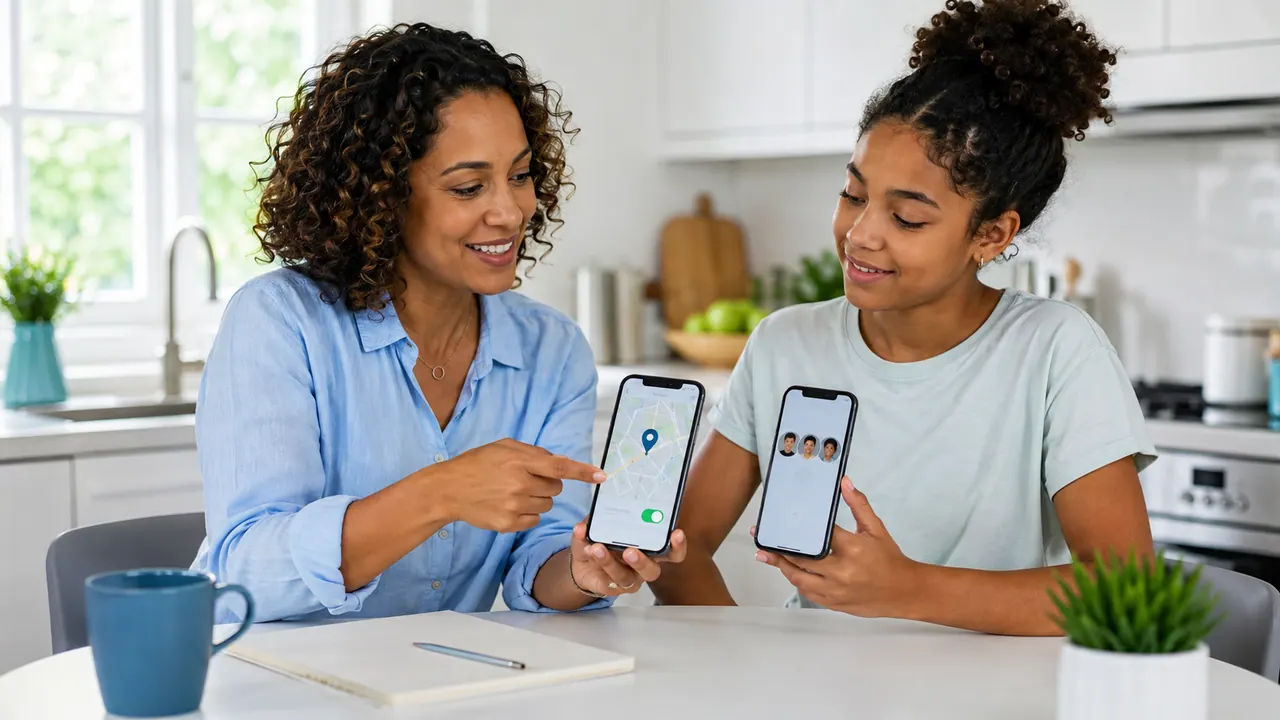
To track someone by phone number, the number is normally used to send an invitation or location request. It is not a GPS beacon. Accurate live location requires the phone owner’s sharing permission, access to your own signed-in device, a parent-managed child account, a company-owned device program, or emergency access by authorized services. This guide shows which options work, what setup each one needs, and how to avoid fake number-tracker sites.
Quick answer: You cannot normally enter a phone number into a public website and reveal a person’s precise live location. You can locate your own lost phone, view a family member who shares location, send a consent-based location request, or use an authorized family or workplace monitoring product. Carrier location data is not a public lookup service.
Want a dashboard for a phone you manage?
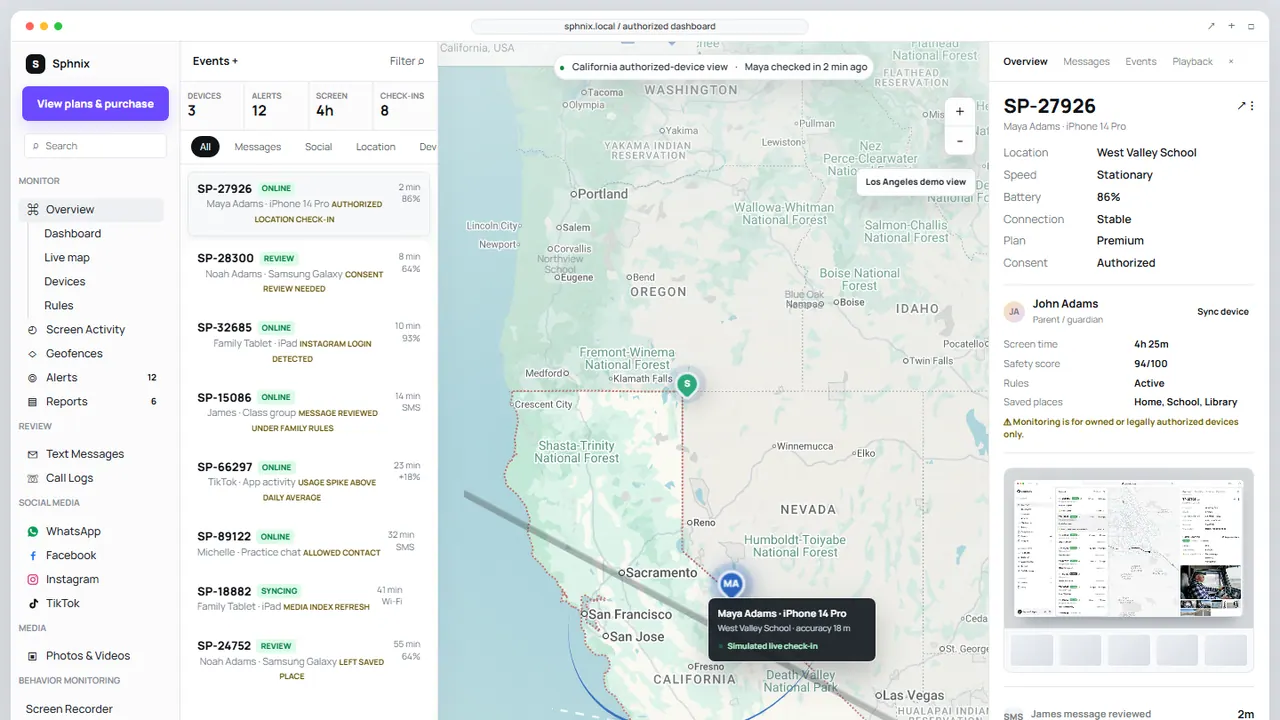
Tour Sphnix before choosing a plan. The demo lets you inspect the location, device, alert, and reporting interface without relying on a “type any number” promise.
Track someone by phone number: what actually works?
Real location tools use the phone number as an identifier or delivery address. The location still comes from a device, account, GPS permission, Wi-Fi signals, or a cellular network. That distinction explains why legitimate tools require setup and why instant anonymous trackers are unreliable.
| Situation | Working method | What it requires | What the number does |
|---|---|---|---|
| Your own missing iPhone | Apple Find My | Find My enabled before the loss and access to the Apple Account | It may help identify the account, but does not create location access |
| Your own missing Android phone | Google Find Hub | The signed-in Google Account and device-location settings | It is not the tracking credential |
| Friend or adult family member | Google Maps, Apple Find My, or message-based sharing | The person chooses to share | It can receive the invitation |
| Minor child’s managed phone | Apple Family Sharing, Google family tools, or a parental-control product | Parent-managed setup on the child’s account or device | It helps link or verify the family account |
| Company-owned phone | Disclosed mobile-device management or workforce location policy | Written policy, authorized enrollment, and applicable employee notice | It is only one device identifier |
| Immediate danger | Emergency services | A genuine emergency and lawful emergency process | Carriers may support emergency response; consumers cannot query carrier location directly |
Why a phone number alone cannot reveal live GPS
A phone number routes calls and messages. GPS coordinates are generated by the device and protected by operating-system permissions and account controls. Cellular providers also hold network-location data, but they do not expose it through a normal public search box.
A reverse-phone lookup may return a possible name, carrier, broad region, or public-record match. That is not the phone’s current position. A website that shows a pulsing map before you provide any permission is often displaying an animation, an IP-based guess, or a fabricated result.
Four lawful ways to share or locate a phone
1. Use Apple Find My and Family Sharing
Apple allows family members to share location through Find My, Messages, and Maps. Family members can choose whether to share, and sharing can be stopped. A family can also help locate a missing device when Find My was configured. If you are focused on iPhone setup, see our guide to iPhone location-sharing requirements.
2. Use Google Maps or Find Hub
Google Maps shows a person’s location when that person shares it with you. Find Hub helps locate devices associated with your Google Account and supports location sharing between people. Google states that you must use a mobile device to start real-time sharing, although the sharing settings can later be managed from a computer.
3. Send a location request
Some services use SMS to invite the number’s owner to share a location. The link should clearly explain what will be shared. The result depends on the recipient opening the request and granting location access; it is not silent carrier tracking. This can be useful when meeting someone, arranging pickup, or helping a relative who understands the request.
4. Enroll an authorized family or company device
A parental-control or device-management product can provide ongoing information after the phone or account is enrolled. Expect iPhone and Android to work differently. Before buying, confirm whether physical access is needed, whether the relevant account must be authorized, which location features work on that operating system, and how the phone owner is notified.
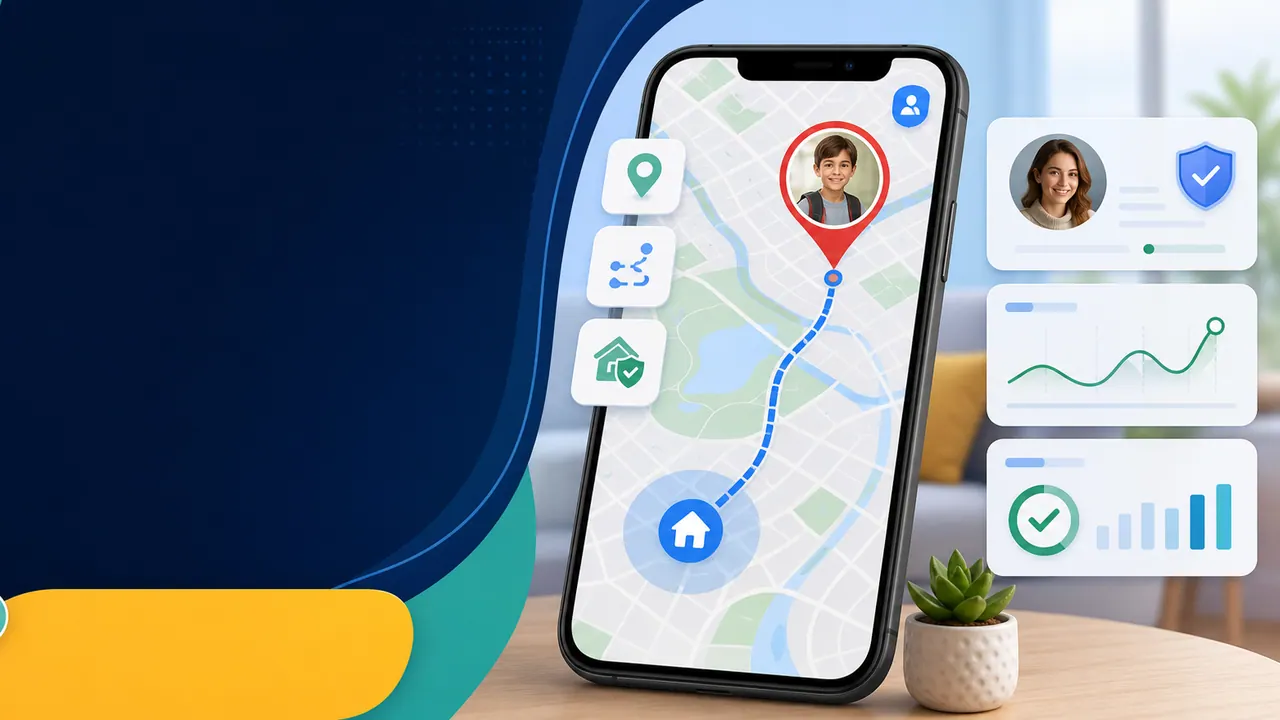
Which location option should you buy?
Buy based on the setup you can legitimately complete, not the longest feature list. If you only need a one-time location request, an ongoing monitoring subscription may be unnecessary. If you manage a child’s phone and need recurring alerts or broader device supervision, compare the dashboard, operating-system limits, support, cancellation terms, and data handling.
| Product path | Consider it when | Verify first | Link |
|---|---|---|---|
| Sphnix | You want to inspect the Spy Wizards dashboard and purchase path | Current plan, device setup, and supported location workflow | Tour Sphnix |
| Apple Find My | You need to locate your own Apple device or use location sharing with permission | The correct Apple Account, device settings, and the other person’s consent | Read Apple’s setup guide |
| mSpy | You need an ongoing parental-monitoring comparison | Physical/account access, current iOS or Android compatibility, and included features | Check mSpy |
| Eyezy | You want to compare family alerts and dashboard controls | Which functions apply to the target device and plan | Check Eyezy |
| Parentaler | Your use case is parent-managed child-device supervision | Installation, cancellation, privacy, and operating-system limits | Check Parentaler |
Disclosure: Some product links are affiliate links. Spy Wizards may earn a commission without increasing your price. Verify current compatibility, setup requirements, and billing on the provider’s page.
How to spot a fake phone-number tracker
- It claims to locate any phone worldwide without permission, account access, or a request.
- It displays a precise-looking map before it has access to a device or location source.
- It demands repeated verification, activation, or cryptocurrency fees.
- It asks for an Apple, Google, carrier, email, or banking verification code.
- It promises messages, calls, photos, camera access, and location from the number alone.
- It provides no company identity, cancellation terms, privacy policy, or support channel.
A legitimate location product explains where its location data comes from. It also tells the buyer what the phone owner must do, which operating systems are supported, and how sharing can be stopped.
Protect yourself from unwanted location tracking
- Review Apple Find My, Google Maps, and family-account sharing lists.
- Check app location permissions and remove access that no longer makes sense.
- Review unknown devices signed into your Apple or Google Account.
- Use a unique carrier-account PIN and ask about port-out protection.
- Do not share verification codes or approve unexpected sign-in prompts.
- Check for unfamiliar Bluetooth trackers and respond to operating-system safety alerts.
Use the phone privacy checkup for a broader review. If you are choosing controls for a child rather than location alone, compare apps to control screen time.
Sources and methodology
This guide separates phone-number identity, device GPS, account-based device finding, shared location, and carrier data. Product links are evaluated as workflows rather than proof that a number alone reveals a location.
- Apple Support: share location with a Family Sharing group
- Google Maps Help: real-time location sharing
- Android Help: Find Hub for friends and family
See the monitoring experience before paying
Use the Sphnix demo when your need goes beyond a one-time location share and you are managing an authorized device. You can inspect the interface first, then compare plans.
Frequently asked questions
Can I track someone by phone number for free?
You can use free tools such as Apple Find My, Google Maps, or Find Hub when you own the device, share a family account appropriately, or the other person shares location. A public number alone does not provide live GPS.
Can Google Maps track a phone number?
Google Maps can show a person who has shared location with your Google Account. It does not turn a phone number into an anonymous live-location lookup.
Can my carrier locate a phone?
Carriers have network information used for operations and lawful emergency processes. They do not provide consumers with a public tool to locate any subscriber by typing a number.
Do phone tracking apps need to be installed?
Ongoing monitoring usually requires device enrollment, account authorization, an installed app, or family-sharing setup. A location-request service may instead send a link that the recipient must open and approve.
Is it legal to track another adult’s phone?
Laws vary, but covertly tracking another adult can violate privacy, stalking, employment, or interception laws. Use informed sharing, a disclosed company policy, or advice from a qualified lawyer for your jurisdiction.
Leave a Reply