Introduction: Navigating the Sensitive Question of Phone Privacy
The question of how to check your girlfriend’s phone often stems from a place of deep-seated anxiety—a gnawing feeling that something in the relationship is amiss. Over a decade of consulting on digital privacy and relationship dynamics has shown me that this urge is rarely about casual curiosity. It’s typically fueled by broken trust, suspicious behavior, or a desperate need for reassurance.
Updated February 2026
However, I must state this unequivocally: Accessing another adult’s personal device or private communications without their explicit, informed consent is illegal in most jurisdictions. It violates computer fraud laws and privacy statutes. This guide does not endorse illegal surveillance.
Instead, this article provides a professional framework for understanding this sensitive issue. We will explore the legal and ethical landscape, examine why people feel compelled to check a partner’s phone, and discuss the technological tools that exist for authorized use only. My goal is to guide you toward resolving relationship concerns through transparency and trust, not secrecy and potential legal trouble.
Understanding the “Why”: Motives and Legal Boundaries
Before exploring any method, it’s crucial to examine your motives and the strict legal framework. The desire to check your girlfriend’s phone usually points to deeper relationship issues.
Common Motivations:
- Suspicion of Infidelity: Unexplained absences, secretive phone behavior, or emotional distance.
- Broken Trust: Following previous lies or betrayals.
- Safety Concerns: Worries about dangerous associations or activities.
- Control and Insecurity: Often the unhealthiest motive, stemming from personal anxiety rather than a partner’s actions.
The Non-Negotiable Legal Reality:
In the United States, laws like the Computer Fraud and Abuse Act (CFAA) make unauthorized access to a computer system—including a smartphone—a federal crime. Most states also have “two-party consent” laws for electronic communications. This means:
- Consent is Required: You generally need permission to monitor another adult’s device.
- “Ownership” is Not Permission: Paying for the phone or the bill does not grant legal monitoring rights.
- Serious Consequences: Illegal monitoring can result in criminal charges, civil lawsuits, and any evidence gathered being inadmissible in court.
The only widely accepted legal exceptions are monitoring minors in your care or devices you own with a clear, consented policy (like a company phone). Using “parental control” software on a partner without consent has been characterized as “stalkerware” and is a serious abuse of the technology.
Method 1: The Direct Approach – Open Communication
The healthiest and most legally sound method is also the most challenging: direct conversation.
How to Proceed:
- Choose the Right Time: Have a calm, private talk without distractions or accusations.
- Use “I Feel” Statements: Frame the discussion around your feelings. Say, “I’ve been feeling anxious and distant lately, and I miss our openness. Can we talk about it?” instead of “I need to see your phone because you’re hiding something.”
- Discuss Digital Boundaries: Have an open conversation about privacy expectations in your relationship. Some couples freely share passwords; others find that invasive. Find a mutual agreement.
- Seek Professional Help: A relationship counselor can facilitate this conversation in a safe, structured environment.
This method addresses the root cause—the relationship issue—rather than just hunting for symptoms on a device.
Method 2: Authorized Monitoring Software (For Legal Use Only)
For situations with legal consent (e.g., mutual agreement between partners, or parents monitoring minors), specialized software exists. These are powerful tools that require brief physical access to the target device for setup and then report data to a private online dashboard.
Crucial Disclaimer: The following apps are designed for legal monitoring purposes only, such as parental control. Using them to secretly monitor a girlfriend or partner without consent is illegal and a violation of trust. Always ensure your use complies with local laws.
App 1: Sphnix Tracking App – Comprehensive Stealth Monitoring
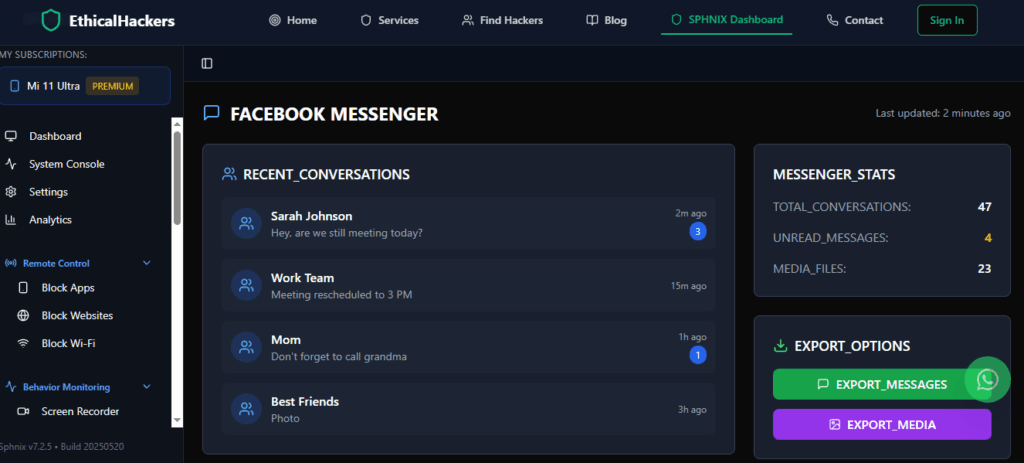
Sphnix is a powerful suite designed for deep, undetected device oversight, providing a vast array of data.
Key Features:
- Full Message Logging: Tracks SMS, iMessages, and chats from WhatsApp, Snapchat, Instagram, Facebook Messenger, and more.
- Social Media & Dating App Tracking: Monitors activity on platforms like Tinder, Telegram, and Discord.
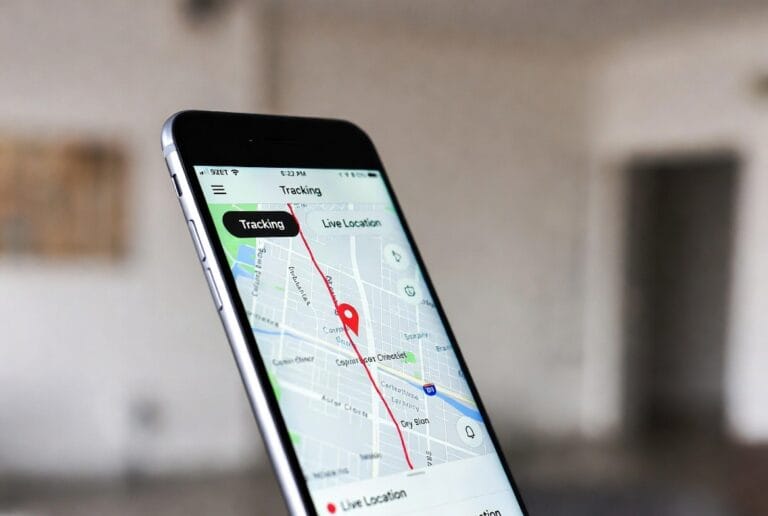
- Real-Time GPS Location: Provides live tracking, location history, and geofencing alerts for when the device enters or leaves a designated area.
- Call Monitoring: Logs call history and can potentially record conversations.
- Ambient Recording & Remote Camera Access: Can activate the device’s microphone or camera to monitor surroundings.
Sphnix is suited for situations where maximum information coverage is the priority after obtaining proper consent.
App 2: mSpy – The Industry-Leading Parental Control Solution
mSpy is one of the most established names in the monitoring software industry, with a vast feature set marketed primarily for parental control. Independent testing has confirmed its extensive tracking capabilities.

Key Features:
- Extensive Social Media & Chat Monitoring: Tracks conversations across dozens of platforms, including WhatsApp, iMessage, Snapchat, and Skype.
- Keylogger Function: Records every keystroke made on the device, capturing typed messages, searches, and passwords.
- Screen Recorder: Takes periodic screenshots of the device’s screen, providing visual proof of activity.
- GPS and Geofencing: Offers real-time location tracking and customizable location alerts.
- Installation Flexibility for iPhone: Offers methods that don’t require “jailbreaking” the iPhone, using iCloud sync or a local Wi-Fi sync instead.
Important Testing Note: A 2025 review found mSpy worked well on Android but encountered difficulties with iPhone monitoring due to Apple’s tighter security, and noted the app lacked nuanced features like screen time management.
App 3: Parentaler – Simplified, Family-Focused Monitoring
Parentaler streamlines the monitoring experience with an emphasis on child safety and ease of use.

Key Features:
- Core Communication Monitoring: Tracks calls, texts, and basic social media activity.
- Location Tracking & Safe-Zone Alerts: Focuses on knowing a child’s whereabouts and notifying parents if they leave a predefined safe area.
- Screen Time Management: Helps parents set limits on overall device or specific app usage.
- Content Filtering: Blocks inappropriate websites and apps.
- User-Friendly Dashboard: Presents information clearly, making it less overwhelming than data-heavy professional suites.
Parentaler is ideal for parents who want essential oversight and safety tools without the extreme depth of a surveillance-focused app.
Method 3: Observing Behavior and Digital Patterns
Sometimes, answers come not from accessing the phone directly, but from observing behavior.
Tell-Tale Signs of Secrecy:
- Guarding the Phone: Taking it everywhere, angling the screen away, changing passwords, or reacting defensively to normal questions about it.
- Increased Secrecy: Suddenly deleting message histories, using messaging apps like Telegram or Signal without explanation, or having locked app folders.
- Emotional and Schedule Shifts: Unexplained emotional distance, unaccounted-for time, or new, vague “friends.”
While these signs can be indicators, they are not proof. They should prompt a conversation, not an illegal search.
Conclusion: Choosing Trust Over Surveillance
The technical knowledge of how to check your girlfriend’s phone exists in the form of apps like Sphnix, mSpy, and Parentaler. However, wielding this technology without consent is a recipe for legal jeopardy and certain relational disaster. It treats the symptom—your suspicion—while fatally poisoning any chance of curing the disease, which is a lack of trust and communication.
If your concerns are profound, the most prudent path is to seek professional guidance—from a relationship therapist to navigate the emotional turmoil, or a lawyer to understand your rights if you believe the relationship is ending. The path of secret hacking is a high-risk endeavor that often leads to greater pain and the confirmation of fears without the tools to heal.
Living with suspicion is corrosive, but illegal surveillance creates more problems than it solves. If you are facing a serious breach of trust and need professional, ethical guidance on your next steps, consider a confidential consultation to discuss your options.
Frequently Asked Questions (FAQs)
Q1: Is it legal if I just look at her phone when she leaves it unlocked?
Even momentary access without permission can violate privacy laws and the principle of trust. While a one-time glance may not lead to legal action, it is a clear breach of personal boundaries and will damage your relationship if discovered. Consistent, secretive checking is more legally precarious.
Q2: Can these monitoring apps really work without the person knowing?
Yes, high-quality apps like mSpy and Sphnix are explicitly designed to run in hidden or stealth mode. They do not appear in the app list, and their processes are disguised. However, slight increases in battery usage or data consumption could theoretically alert a tech-savvy user.
Q3: What’s the difference between using a monitoring app and hiring a private investigator?
The key difference is legality and method. You installing spyware without consent is likely illegal. A licensed private investigator (PI) operates within the law, using methods like legal database searches and physical surveillance to gather admissible evidence. A PI’s evidence can be used in court, while illegally obtained data cannot and may get you charged.