
The Silent Alarm: Recognizing the Unseen Signs of Infidelity
For over a decade, I’ve consulted with individuals grappling with one of life’s most painful questions: how do you know if your wife is cheating? This suspicion rarely arrives as a thunderclap; more often, it’s a quiet, persistent drizzle of doubt that slowly soaks your peace of mind. It’s in the shifted energy, the unexplained gaps in time, the new password on a phone that was once an open book. If you’re reading this, you’re likely in that uneasy space between intuition and evidence.
Updated February 2026

You’re not looking for paranoia, but for clarity. This guide, drawn from ten years of professional experience, will walk you through the behavioral changes, digital clues, and emotional shifts that can indicate trouble, and will provide you with responsible, modern paths to finding the truth you deserve.
Behavioral and Emotional Shifts: The Foundation of Suspicion
Before diving into digital footprints, we must start with the human element. Infidelity is first an emotional process, and it manifests in behavior. These changes are often subtle at first but form a pattern over time.
- Changed Routines & Unexplained Absences: Suddenly, there are more “late meetings,” “girls’ nights,” or errands that take unusually long. Her schedule becomes less transparent, and when you ask for details, the explanations feel rehearsed or she becomes defensive.
- Emotional Distance & Intimacy Shifts: You may feel a new wall between you. Conversations become transactional—about bills, chores, kids—and lack emotional depth. Physical intimacy may drop significantly or, paradoxically, increase noticeably as a form of guilt-driven overcompensation.
- Increased Secrecy with Devices: This is the modern hallmark. Her phone, which once charged on the nightstand, now goes with her to the bathroom. She angles the screen away from you, turns off message previews, or has suddenly changed all her passwords. A newfound need for “privacy” that feels excessive is a major red flag.
- Defensiveness and Projection: Simple, innocent questions about her day are met with disproportionate anger or accusations of you being “controlling” or “nosy.” Sometimes, a cheating partner may even begin to falsely accuse you of being unfaithful, a psychological tactic known as projection.
The Digital Paper Trail: Phones, Social Media, and Financial Clues
In today’s world, evidence often lives online. A careful, observational approach to digital habits can be revealing, but it’s crucial to respect legal boundaries regarding privacy.
- Phone and Social Media Habits: Look for a second, hidden social media account or a sudden surge in activity on platforms like Instagram, Facebook, or Snapchat. Note if she’s constantly messaging someone, smiling at her phone, or deleting entire chat histories. Be aware of new app installations, especially for encrypted messaging (Signal, Telegram) or “vault” apps that hide photos and messages behind a fake calculator interface.
- Financial Statement Anomalies: Unexplained withdrawals, charges for hotels, restaurants you’ve never visited, or unfamiliar online shopping charges can be tangible evidence. Gift receipts for items you never received are another clear indicator.
- Location Data & Vehicle Clues: Frequent discrepancies between her stated location and her phone’s location (if shared) are telling. Check the mileage on the car for unexplained spikes, or look for unfamiliar items, receipts, or scents in the vehicle.
The Importance of Observation vs. Accusation
At this stage, it’s critical to manage your approach. Confronting someone without concrete evidence often leads to denial, deeper secrecy, and gaslighting. Your goal is not to be a detective in your own home, but to gather enough observable facts to understand whether your concerns are valid. Document dates, times, and specific incidents. This helps distinguish patterns from isolated events and keeps you grounded in facts rather than fear.
Modern Tools for Digital Clarity: Monitoring Software
When behavioral signs point strongly toward deception and you need definitive answers, technology offers solutions. Professional-grade monitoring software, when used legally and ethically (typically requiring you to own the device or have consent), can provide clarity. These tools go far beyond simple screen time reports.
Here are three leading applications I’ve evaluated in my professional capacity:
1. Sphnix Tracking App
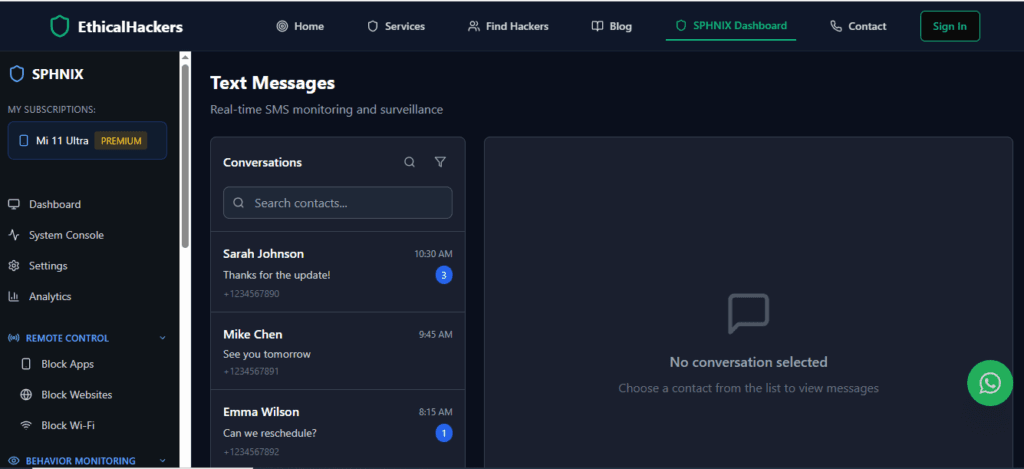
A comprehensive tool designed for discrete monitoring. Sphnix offers robust features including call log tracking, ambient recording (to hear surroundings), GPS location tracking in real-time, and access to social media activity on platforms like WhatsApp, Instagram, and Facebook Messenger. Its strength lies in its stealth operation and detailed reporting dashboard, giving a complete picture of device usage.
2. Eyezy
Eyezy positions itself as a user-friendly, all-in-one parental and monitoring control solution. Its features are extensive, covering SMS and call tracking, GPS location history, keystroke logging (to see typed messages, even in deleted drafts), and social media surveillance. Its intuitive control panel makes data easy to review, highlighting contacts and locations of frequent interaction.

3. Spynger
Spynger is known for its powerful social media and communication monitoring. It specializes in extracting data from messaging apps like Telegram, Viber, and Skype, in addition to standard SMS and call logs. It also provides browser history tracking, photo/video access, and geofencing alerts, notifying you if the device enters or leaves a designated area.

Confrontation and Next Steps: Handling the Truth
If your observations or the data confirm your suspicions, you face a crossroads. Plan the confrontation carefully. Choose a private, calm time. Use “I” statements (“I have felt distant, and I noticed…”) and present facts without hysterics. Be prepared for denial, anger, or confession. Your next steps—whether toward counseling for reconciliation or consulting a lawyer for separation—should be taken deliberately, with support from trusted friends, family, or a therapist.
Seeking Professional Guidance
Navigating this emotional minefield alone is not advisable. A licensed marriage counselor can provide a neutral space for discussion if both parties are willing. If the path leads to separation, a qualified attorney is essential to protect your rights. In complex digital investigations, especially where data may be hidden or encrypted, professional cybersecurity experts can provide legally-sound assistance that goes beyond consumer software.
Conclusion: From Doubt to Decision
The journey from suspecting infidelity to finding the truth is profoundly difficult. It’s a path paved with anxiety, sadness, and confusion. Understanding how do you know if your wife is cheating involves piecing together behavioral cues, emotional shifts, and often, digital evidence. Trust your intuition, but demand evidence for your sanity. Whether the outcome is reconciliation or parting ways, the goal is to replace debilitating doubt with concrete reality, allowing you to make informed decisions about your life and future. You deserve peace of mind and honesty.
If the digital trail has become too complex to follow alone, and you require professional, discreet expertise to uncover the truth, specialized help is available.
Frequently Asked Questions (FAQs)
Q1: What is the most common first sign of a cheating wife?
From my experience, the most consistent initial sign is a sudden and pronounced change in digital device behavior. This includes protecting her phone intensely, being secretive about passwords, and spending significantly more time texting or on social media, often with a heightened emotional response to the device.
Q2: Is it legal to use monitoring software on my wife’s phone?
Laws vary significantly by country and state. Generally, you may legally install monitoring software on a device you own (like a family plan phone for a minor child). Installing it on a device you do not own, without the user’s knowledge and consent, is often illegal. It is crucial to consult local laws or a legal professional before proceeding.
Q3: Should I confront my wife immediately if I find a single piece of evidence?
Confronting based on a single text or incident is usually not advisable. It can lead to easy denial and make her more cautious. Experts recommend waiting until you have observed a pattern of behavior or gathered multiple data points that are difficult to explain away. This provides a stronger foundation for a serious conversation.