The Digital Truth: A Professional’s Guide to Understanding Her Phone Activity
For over a decade, I’ve worked with individuals grappling with the quiet doubt that something in their relationship isn’t right. That feeling often leads to one tangible object: her phone. It’s not about jealousy, but about reconciling her words with her actions. You might notice increased secrecy, a sudden focus on privacy, or a change in her communication patterns. Before you confront her without proof or let anxiety consume you, it’s crucial to know what to look for and how to find it responsibly.
Updated February 2026

This guide will walk you through the key things to check on girlfriend’s phone, not to promote distrust, but to provide a framework for seeking clarity. I’ll explain the most telling areas, discuss the ethical considerations, and introduce tools that can help you verify your suspicions definitively and discreetly.
The Ethical Imperative: Why and When to Look
Before we discuss any specific app or technique, we must address the significant ethical and legal boundary. Accessing someone else’s personal device without their explicit consent is a violation of privacy and, in many places, illegal. This information is for educational purposes to highlight digital security.
Your justification must be serious. Are you acting on concrete, observable red flags—lies about her whereabouts, secretive conversations, or unexplained emotional distance—or are you acting on insecurity? Legitimate reasons might include protecting yourself from potential infidelity or verifying concerns that impact your health and safety. However, open communication should always be your first attempt. Choosing to investigate means accepting the potential consequences, including the end of the relationship if discovered.
Core Area 1: Social Media and Messaging Applications
This is often the most revealing category. People frequently let their guard down on private messaging platforms, assuming conversations are hidden.
Key Apps & What to Look For:
- WhatsApp/Telegram/Signal: Check for archived chats, conversations with unsaved numbers, and media shared within chats. Look for frequent contacts you don’t recognize.
- Snapchat: The ephemeral nature is a red flag itself. Note who she has streaks with and check the chat history (though messages disappear).
- Instagram/Facebook Messenger: Review direct messages, even in the “message requests” or hidden folders. Look at recent searches and followers/following lists for new, unfamiliar names.
- Dating Apps: Check for hidden app folders or apps like Tinder, Bumble, or Hinge. Sometimes these are downloaded, used, and then deleted, but traces may remain.
Tool for Comprehensive Access: Sphnix Tracking App
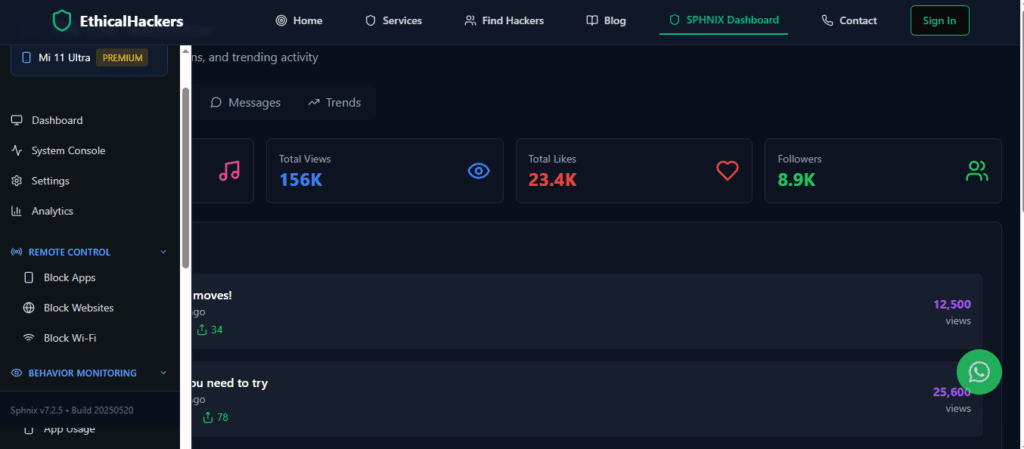
Manually checking these requires physical access and time. A tool like Sphnix provides remote, thorough access to all these platforms. It extracts messages, photos, and call logs from social media apps and presents them in an organized dashboard, making it one of the most powerful ways to review all the things to check on girlfriend’s phone related to communication.
Core Area 2: Location and Travel History
Inconsistencies between where she says she was and where her phone actually traveled are major red flags.
Key Areas to Examine:
- Google Maps Timeline (Android): This is a goldmine. If you can access her Google account, this feature shows a minute-by-minute history of the device’s location.
- Apple’s Significant Locations (iPhone): Found in Privacy & Security settings, this logs frequent locations.
- Frequent Location Alerts: Check for location-sharing with other individuals through Find My Friends, Life360, or similar apps.
- Ride-Sharing/Travel Apps: History in Uber, Lyft, or airline apps can confirm or contradict her stories.
Tool for Location-Specific Verification: Scannero
If location is your primary concern, Scannero offers a unique, low-touch method. You enter her phone number, and it sends a discreet SMS with a location link. Once triggered, it provides you with precise GPS coordinates. This is useful for verifying a specific instance without full device access.

Core Area 3: Call Logs, Texts, and Deleted Content
The native phone logs often hold overlooked clues, especially when paired with the ability to recover deleted items.
What to Scrutinize:
- Recurring Unknown Numbers: Frequent calls or texts to numbers not saved in her contacts.
- Late-Night/Early-Morning Communication: Check call and text timestamps.
- Deleted Messages: On iPhones, check the “Recently Deleted” folder in the Messages app. On Androids, some deleted SMS might be recoverable with specific tools.
- Phone Bill Synchronization: Unexplained numbers on a shared phone bill can be a starting point.
Core Area 4: Photos, Videos, and Cloud Storage
Her gallery and cloud backups can contain evidence she may have forgotten to delete.
Check These Locations:
- Recently Deleted Albums: Both iOS and Android have these; items sit here for 30-60 days.
- Hidden or Secure Folders: Both operating systems allow hiding photos/videos behind passwords or biometrics.
- Cloud Backups: iCloud Photos or Google Photos may contain images deleted from the local device.
- Screenshots: She may have taken screenshots of conversations she didn’t want to save in the original app.
Core Area 5: App Usage, Battery, and General Behavior
Sometimes the meta-data is as telling as the content itself.
Subtle Indicators:
- Screen Time / Digital Wellbeing: These built-in reports show total time spent and time spent in specific apps.
- Battery Usage: This breakdown often reveals which apps are consuming the most power in the background, hinting at frequent use.
- Notification Settings: Are notifications for specific apps (like messaging apps) set to “Hide Preview” or turned off completely?
- New Passwords/Biometric Changes: A sudden change in her phone’s lock security is a significant sign.
Tool for Holistic Behavior Analysis: Moniterro
For a complete picture of device activity, Moniterro is an excellent choice. It tracks app usage, call logs, messages, and locations, compiling them into a clear dashboard. It helps you understand not just what is on the phone, but how it is being used, covering many of the behavioral things to check on girlfriend’s phone.

Conclusion: From Suspicion to Informed Certainty
Knowing the key things to check on girlfriend’s phone provides a roadmap, but executing this checks requires either direct access (with all its risks) or the use of a discreet monitoring tool. Tools like Sphnix for deep social media inspection, Scannero for pinpoint location verification, and Moniterro for overall activity analysis exist to provide that evidence with less risk of detection than manual snooping.
This path is serious. If your investigation yields nothing, it’s a signal to address your own insecurities. If it confirms deception, you have the facts needed to make a clear decision. However, if the technical or personal risk of conducting this yourself feels too high, professional services offer a confidential alternative.
Hire a Hacker at SpyWizards.com
Frequently Asked Questions (FAQs)
Q1: Is it illegal to check my girlfriend’s phone if I suspect cheating?
Yes, in most cases it is illegal to access someone else’s electronic device without their permission, regardless of your relationship. Your suspicion does not grant legal authority. This is a serious personal and legal risk you must consider.
Q2: What’s the most common mistake people make when checking a phone?
Getting caught in the act. This includes failing to note how the phone was positioned, forgetting to close an app they opened, or triggering a notification. If you choose to manually check, you must be meticulous and quick. Using a professional tool often leaves a much smaller digital footprint.
Q3: I found nothing on her phone, but I still don’t trust her. What now?
If a thorough check reveals no evidence, the issue may be rooted in insecurity or a breakdown of communication within the relationship. At this point, the healthiest step is to consider individual or couples therapy to address the underlying trust issues, rather than escalating surveillance.