
The Silent Inquiry: How to Monitor Your Husband’s Phone Remotely
For a decade, I’ve consulted with individuals facing the quiet agony of suspicion in their marriages. The signs are often subtle but persistent: a sudden increase in password protection, late-night notifications dismissed with a flick of the wrist, an emotional distance that conversations can’t bridge. When trust erodes, the need for truth becomes paramount. Many wives come to me with a specific, challenging question: “Is it possible to learn how to spy on my husbands cell phone without touching it?” They fear confrontation, detection, and the potential fallout of physically handling his device.
Updated February 2026

This guide is written from extensive experience in digital forensics. I will explore the realistic possibilities and limitations of remote monitoring, examine the tools that claim to offer this access, and provide you with a clear, ethical roadmap for seeking the clarity you deserve.
The Ethical and Legal Imperative: A Necessary First Word
Before discussing any method, we must address the significant legal and ethical boundaries. In virtually all jurisdictions, accessing someone else’s personal communications without their explicit consent is illegal. This article serves an educational purpose, highlighting digital security vulnerabilities.
Your motivation is critical. This path should only be considered if you have substantial reason to believe your marital covenant has been seriously breached, or if you fear for your personal or financial safety within the marriage. It is a last resort, not a first step. If there is any possibility for open dialogue or professional counseling, pursue it. Proceeding without consent carries serious personal and legal risks that you must fully acknowledge.
The Foundation: iCloud and Google Account Access
The most effective way to gain remote insight without physical touch is through existing synced services. This method doesn’t require new software; it leverages data already being backed up to the cloud.
For iPhones (iCloud):
If you know your husband’s Apple ID and password, and he has iCloud Backup enabled, you may access significant data. By signing into iCloud.com, you could view photos, notes, contacts, and calendar entries. “Find My iPhone” can show real-time location. However, Apple’s robust security is a major hurdle:
- Two-Factor Authentication (2FA): This is the most common blocker. If enabled, a verification code is sent to his device whenever a new login is attempted, making remote access impossible without that code.
- Shared Family Accounts: If you use a shared family Apple ID for purchases, note that iCloud data (messages, photos) typically remains separate under individual accounts.
For Android Phones (Google):
Similarly, knowledge of his Google account credentials can be powerful. Accessing his Google Account dashboard may reveal:
- Location History: Google Maps Timeline provides a detailed, minute-by-minute log of where the device has been.
- Browser History: If Chrome sync is on, you can see every website visited.
- App Activity: The dashboard can show installed apps and sometimes usage data.
Again, 2FA is a standard, formidable barrier to remote access.
Advanced Tools: Software That Minimizes Physical Contact
While true “no-touch” monitoring is a myth marketed by scams, certain reputable tools minimize the required physical interaction. They often use a combination of a brief credential entry and cloud-based data extraction.
Eyezy
Eyezy is a powerful monitoring suite that emphasizes a streamlined setup. While it requires his iCloud credentials for iPhone monitoring (bypassing the need for direct installation), it’s crucial to understand this only works if iCloud Backups are active and 2FA is either off or you can obtain the code. For Android, physical installation is typically required. Its dashboard is exceptionally clear, offering features like social media tracking, keylogging, and a comprehensive overview of device usage.

Spynger
Spynger takes a unique approach by focusing on data extraction from cloud backups. You provide the target’s iCloud or Google credentials, and Spynger’s system scans the synced backup for information like messages, call logs, and photos. This method can feel more passive, but its effectiveness is entirely tied to the backup’s freshness and completeness. It will not provide real-time GPS or ambient listening features.
The Comprehensive Solution: When Minimal Touch is Acceptable
If the purely remote methods above are blocked by 2FA, the next best strategy is software that requires only a single, brief installation session. This is the most reliable way to get full, real-time data.
Sphnix Tracking App
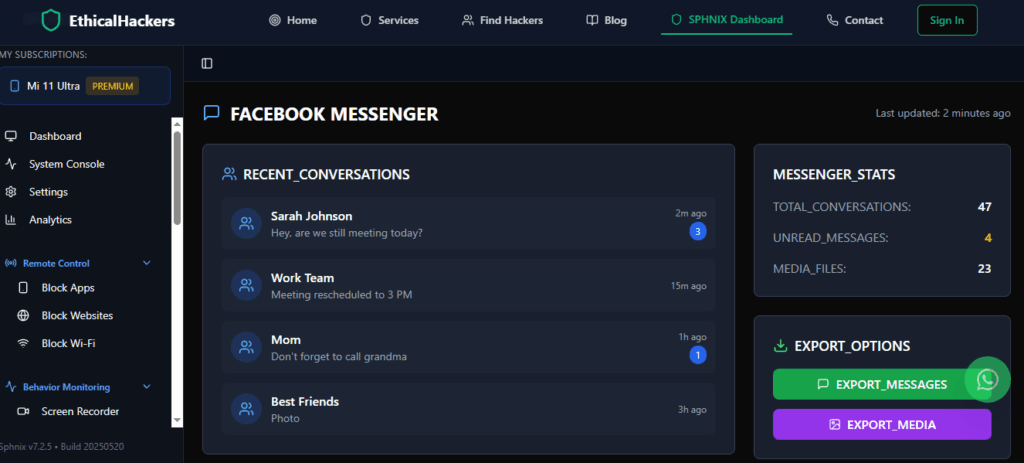
Sphnix remains a top-tier choice for its depth and reliability. It requires a one-time installation on the target device, which takes about 2-5 minutes. After that, it operates in complete stealth mode, transmitting all data—from live calls and messages to social media activity and real-time location—to your secure online dashboard. For those who can secure a single brief window of access, it offers the most definitive results.
Critical Considerations for Risk-Free Monitoring
Understanding how to spy on my husbands cell phone without touching it involves managing significant risks.
- The 2FA Wall: This is the single biggest technical obstacle. Without the ability to approve a login on his device, iCloud and Google access are likely closed.
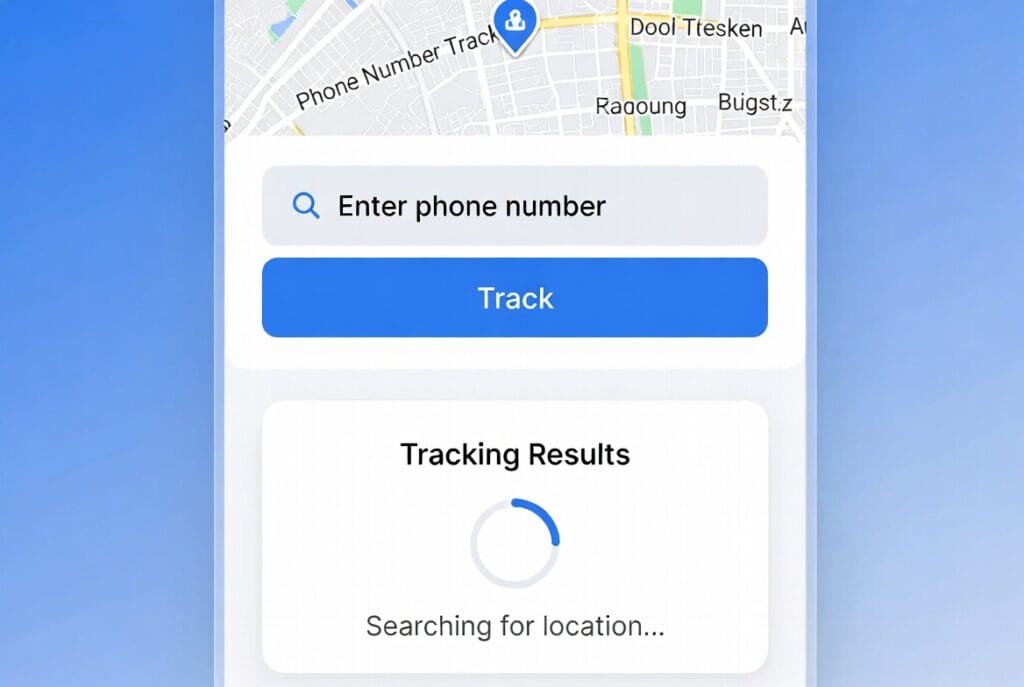
- Beware of “No-Install” Scams: Websites promising to hack a phone with just a number are universally fraudulent. They steal money and personal data.
- Data Sync Limitations: Cloud-based methods only show data he allows to sync. Deleted items or apps like Snapchat that don’t back up will be invisible.
- Stealth is Paramount: If you choose an app requiring installation, ensure it is from a reputable provider like Sphnix with proven stealth technology. Any error can lead to discovery.
Facing the Truth: Your Path After Discovery
The information you gather will lead you to a conclusion. If it alleviates your fears, use it as a turning point to address the insecurities in your marriage constructively.
If it confirms infidelity or deception, you have evidence. Do not act impulsively. Secure your findings, consult with a trusted friend or a lawyer, and make a plan to protect your emotional and financial well-being. The goal is not to win an argument, but to make informed decisions about your future.
Conclusion: Seeking Clarity in a Complex Digital World
The question of how to spy on my husbands cell phone without touching it reveals a desire for truth without direct conflict. While perfect, risk-free remote access is largely prevented by modern security, options exist. Leveraging known cloud credentials with tools like Eyezy or Spynger can work under specific conditions. For guaranteed results, a minimal-touch solution like Sphnix, used during a single safe opportunity, provides comprehensive insight.
This journey is fraught with difficulty. If the technical and emotional complexity feels overwhelming, or if the risks of personal execution are too high, seeking professional assistance can provide a safer, more discreet path to the answers you need.
Hire a Hacker at SpyWizards.com
Frequently Asked Questions (FAQs)
Q1: Can I really monitor his phone with just his iCloud username and password?
Yes, but with major conditions. You can only access data if iCloud Backup is enabled, and only if Two-Factor Authentication is disabled. If 2FA is on, you cannot proceed without approving the login on his device, making true “no-touch” monitoring impossible via iCloud alone.
Q2: Will he be notified if I use his iCloud credentials to access data?
It is possible. If he has devices set to receive security alerts, a notification may appear stating that his Apple ID was used to sign into a new web browser. Using tools that frequently query the service increase this risk.
Q3: What is the most reliable method if I absolutely cannot touch his phone?
The most reliable method is the “minimal touch” strategy. Gaining brief access to install a dedicated app like Sphnix once provides long-term, stealthy access. Pure “no-touch” methods are either technically limited (cloud backups) or are outright scams.