
During my ten years in digital security, I’ve been asked one question more than any other by concerned parents, worried partners, and even anxious employers: “Is there a way on how to hack someone’s iPhone?” The phrase conjures images of remote access and total control, often fueled by Hollywood and online fraudsters. The truth is far less dramatic and legally fraught. This article will not provide instructions for illegal activity. Instead, I will offer a professional’s transparent look at what people actually mean when they search for this, the formidable security of Apple’s iOS, the only legal and practical methods for monitoring, and the severe risks of pursuing true “hacks.” If your goal is ethical oversight of a device you own or manage for a child, you are in the right place.
Updated February 2026
Why “Hacking” a Modern iPhone is Effectively Impossible
It is critical to understand that Apple’s iOS is arguably the most secure consumer operating system in the world. Its security is built on a foundation of hardware-based encryption, a tightly controlled App Store, and strict sandboxing that prevents apps from accessing data from other apps. A remote, undetectable exploit that would allow you to hack someone’s iphone without physical access is a “zero-day” vulnerability. These are extremely rare, worth millions of dollars on the gray market, and are patched immediately by Apple once discovered. For the average person, there is no downloadable tool or service that can remotely bypass these layers. Any website claiming to offer such a service is a scam designed to steal your money and data.
The Legal Pathway: How to Hack Someone’s iPhone
The only consistent and legitimate method to monitor activity on an iPhone requires one non-negotiable condition: physical access to the target device and its iCloud credentials. This is not “hacking” in the malicious sense. It involves using commercial monitoring software that uses Apple’s own ecosystem to sync data. These applications require the target iPhone’s iCloud username and password to access backup data, which includes messages, location, and some app data. Their legality is strictly conditional: you must own the device (e.g., a company phone) or be the parent of a minor child. Using these without consent to spy on an adult is illegal.
Analysis of Established Monitoring Solutions
Based on extensive testing, here are three platforms that function within the technical and legal framework described above. Success depends on having correct iCloud credentials and the device backing up data.
1. Sphnix Tracking App
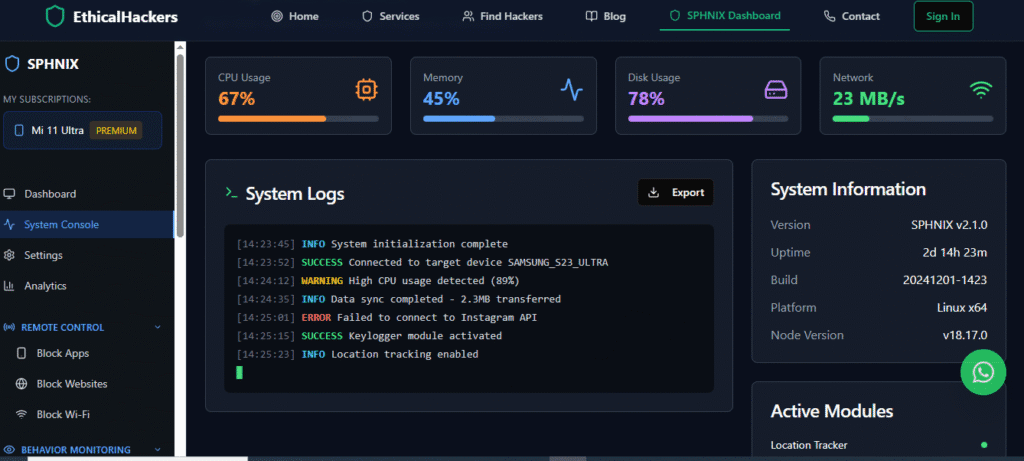
Sphnix provides a broad-based monitoring suite that works with iCloud credentials. It is designed for users who need a comprehensive overview of device activity, from communications to location. For iPhones, it extracts data from iCloud backups to present in a user-friendly dashboard.
Key Features:
- iCloud-based monitoring for messages, calls, and contacts.
- Real-time GPS location tracking.
- Social media activity overview (Snapchat, WhatsApp, etc. via backup data).
- Web browsing history access.
2. Scannero
Scannero.io operates differently. It is not a full-device monitoring tool but a powerful digital investigation service centered on phone numbers. It can be invaluable in specific scenarios where you need to verify identity or location without installing software on a target device.

Key Features:
- Phone number lookup and carrier identification.
- Real-time location tracking via number (requires the target to click a link).
- Social media profile search associated with a number.
3. Moniterro
Moniterro is built as a parental control solution. It uses iCloud credential access to monitor a child’s iPhone activity, focusing on safety and providing clear, actionable reports for parents rather than stealth surveillance.
Key Features:
- iCloud-based monitoring for texts, calls, and app usage.
- GPS location tracking with history and geofencing alerts.
- Screen time management and app blocking schedules.
- Panic alert functionality for the child.
The Critical Legal and Ethical Boundaries
Ignoring these boundaries can lead to criminal charges and civil lawsuits.
- For Parents: You have the legal right to monitor your minor children. Using your child’s iCloud credentials on your own family plan for their safety is generally permissible and responsible.
- For Employers: You may monitor company-owned iPhones if stated explicitly in a signed employee agreement. Secret monitoring is illegal and exposes the company to massive liability.
- For Anyone Else: Using someone’s iCloud credentials without their express knowledge and consent to monitor their personal iPhone is a violation of federal computer fraud laws (like the CFAA) and state privacy laws. It is a crime.
The Extreme Dangers of “Jailbreaking” and Malware Scams
Many fraudulent guides suggest “jailbreaking” the target iPhone as a way to hack someones iphone. This is a catastrophic idea.
- Jailbreaking Requires Physical Access: It involves connecting the phone to a computer and altering its core software, which is immediately obvious to the user.
- It Voids Security: Jailbreaking disables critical iOS security features, making the device vulnerable to real malware, data theft, and instability.
- It’s a Gateway for Scams: Websites offering “one-click jailbreaks” or “remote jailbreak services” are 100% fraudulent. They will deliver malware to your computer or simply take your payment and disappear.
How to Secure Your Own iPhone from Intrusion
Since remote hacking is improbable, focus on preventing the authorized monitoring methods discussed above.
- Fortify Your iCloud Account: Use a strong, unique password and enable Two-Factor Authentication (2FA). This is the single most important step. Without your password and trusted device, monitoring software cannot access your iCloud data.
- Review Trusted Devices: Regularly check your Apple ID account settings and remove any unfamiliar devices.
- Audit App Permissions: Go to Settings > Privacy & Security and review which apps have access to Location Services, Photos, Contacts, etc. Restrict unnecessary access.
- Keep iOS Updated: Always install the latest iOS updates. They contain critical security patches that close vulnerabilities.
- Never Share Credentials: Do not enter your Apple ID password on any website other than apple.com. Be wary of phishing emails pretending to be from Apple Support.
Conclusion: Choose Knowledge Over Illegal Fantasy
The search for a method to hack someones iphone is, for the vast majority, a pursuit of a dangerous fantasy that leads to legal trouble and victimization. The practical reality for legitimate concerns is the authorized use of iCloud-based monitoring tools within a strict ethical framework. True expertise in this field means understanding these limitations, respecting privacy laws, and using technology responsibly to protect, not to invade.
When facing complex digital threats that fall outside standard parental controls—such as sophisticated cyberstalking, corporate espionage, or investigating a serious personal threat—the correct course is to engage professional, ethical experts who operate within the law.
<a href=”https://spywizards.com” class=”cta-button” style=”display: block; width: fit-content; margin: 30px auto; padding: 15px 30px; background-color: #dc3545; color: white; text-decoration: none; border-radius: 5px; font-weight: bold; text-align: center; font-size: 1.1em;”>Hire a Hacker for Professional, Ethical Assistance</a>
Frequently Asked Questions (FAQs)
Q1: Can someone hack my iPhone just by having my phone number?
A: No, they cannot. A phone number alone is not enough to gain access to an iPhone. The primary attack vector using a phone number is phishing—sending you a deceptive text or call to trick you into revealing your Apple ID credentials or a 2FA code. Always verify the source.
Q2: If I have their iCloud password, is that considered hacking?
A: If you use someone else’s iCloud credentials without their explicit permission to access their data, you are committing unauthorized access under laws like the Computer Fraud and Abuse Act. It is legally considered a form of computer intrusion, regardless of how you obtained the password.
Q3: What’s the difference between an iPhone monitoring app and spyware?
A: The difference is consent and intent. A monitoring app like those discussed is used transparently or with legal authority (e.g., by a parent) for protection. Spyware is malicious software installed covertly with the intent to steal data and spy on someone without their knowledge for criminal purposes. The same technical function can be either tool or weapon based on its use.