
Apps to Monitor Your Partner’s Phone: A Professional Guide to Legal and Ethical Use
The question of how to find reliable apps to monitor your partners phone often arises from a place of deep-seated anxiety—a gnawing suspicion, a sudden emotional distance, or unexplained behavior patterns. In today’s digitally connected world, the tools to track a person’s every digital move are more accessible than ever. As someone with extensive experience in digital security, I’ve seen how this technology can be a double-edged sword.
Updated February 2026

This guide will provide a clear-eyed look at the powerful monitoring applications available in 2025. However, I must state this unequivocally from the start: Using monitoring software on another adult’s personal device without their explicit, informed consent is illegal in most jurisdictions. Such software is classified as “stalkerware,” and its covert use in relationships is a form of digital abuse that violates privacy laws and destroys trust.
This article explores these tools within their only legal and ethical context: for parental monitoring of minors or for tracking company-owned devices with employee consent. With that critical understanding, let’s examine what this technology can do, how it works, and why consent and transparency are non-negotiable.
The Harsh Reality: Stalkerware and Its Consequences
Before discussing any app, you must understand the serious risks of misuse. Security companies report a significant rise in the detection of stalkerware, with tens of thousands of cases identified annually. These apps are often marketed with vague disclaimers but are frequently used to spy on partners, a practice one BBC investigation found that customer service representatives would tacitly support.
The harm is profound. Victims describe a terrifying loss of privacy, where every message, location, and even private conversation can be monitored without their knowledge. This surveillance leads to psychological trauma, eroding a person’s sense of safety and autonomy. Legally, installing such software without consent can violate federal and state laws against computer fraud and unauthorized interception of communications.
How Phone Monitoring Technology Works
Legitimate monitoring apps, when used ethically, function by installing a small application on the target device. After setup, they relay a vast array of data to a secure online dashboard that the account holder can access remotely. The depth of data depends on the app and the device’s operating system.
Modern smartphones are treasure troves of personal information. As legal experts note, they continuously log a user’s location via GPS, store detailed call and messaging histories, and hold records of app usage. Monitoring software taps into these data streams, compiling them into a comprehensive overview of the device’s activity.
Comparative Analysis of Featured Monitoring Apps
The following table compares three applications often discussed in this space. Remember, their ethical application is strictly for scenarios with informed consent, such as parental control.
mSpy: The Feature-Rich Industry Standard
Widely recognized as one of the most comprehensive solutions, mSpy is frequently at the top of review lists for its extensive feature set. It provides parents with tools like precise GPS tracking, monitoring across major social media platforms (like WhatsApp, Instagram, and Snapchat), and a keylogger that records typed characters.

Sphnix: A Powerful and Discreet Tracker
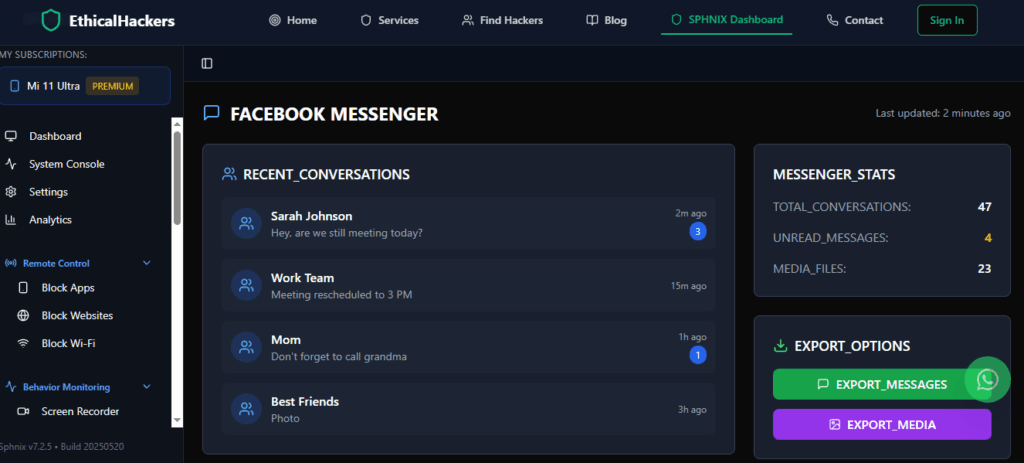
Apps in this category, like Sphnix, are built for extensive oversight. They often include not just tracking but also remote interaction features, operating with a high degree of stealth to remain invisible on the target device.
Parentaler: Simplified, Family-Focused Monitoring
Parentaler represents apps designed with a family safety focus, offering a more streamlined set of monitoring and control features aimed at helping parents manage screen time and ensure child safety without the extreme depth of professional surveillance suites.

Ethical and Constructive Alternatives to Covert Spying
If you have concerns serious enough to consider secret surveillance, they are serious enough to address through healthier, more respectful channels.
- Open Communication: Initiate a calm, honest conversation about your relationship. Using “I feel” statements is more constructive than accusations.
- Professional Counseling: A couples therapist can provide a neutral space to address trust issues, improve communication, and decide on a path forward, whether that’s repair or separation.
- Transparent Agreements: Some couples, especially in rebuilding trust, mutually agree to share locations using standard apps like Find My Friends or Life360. The key difference is mutual consent.
- Legal Avenues: If you are in a divorce proceeding, an attorney can use legal processes like subpoenas to obtain relevant cellphone records from carriers, which is a lawful method for gathering information.
How to Protect Yourself from Unwanted Monitoring
Awareness is your first defense. Signs of stalkerware include unusually fast battery drain, strange background noises during calls, the device heating up when not in use, or unexplained data usage. If you suspect you are being monitored:
- Review your installed applications for anything unfamiliar.
- Run scans with reputable mobile security software from companies like Kaspersky or ESET, which can detect such threats.
- As a last resort, perform a factory reset on your device (ensuring your own data is backed up first).
- If you are in an abusive situation, contact a domestic violence support organization for guidance on creating a safety plan.
Conclusion: Choose Trust Over Surveillance
The apps to monitor your partners phone are technologically sophisticated and widely available. However, wielding this power against a partner without consent is an act that causes profound harm and carries significant legal risk. It replaces the foundation of a healthy relationship—trust—with control and fear.
Technology should not be a substitute for difficult conversations. If trust has broken down, have the courage to address it directly through communication or professional help. The path of secret surveillance ultimately leads to more isolation and pain, regardless of what you discover. Invest in building understanding, not a covert monitoring operation.
Living with suspicion is painful, but illegal surveillance creates irreversible damage and legal peril. If you need confidential, ethical guidance on navigating relationship concerns, professional consultation can provide a safe path forward.
Frequently Asked Questions (FAQs)
Q1: If I own the phone or pay the bill, can I legally install monitoring software?
No, ownership of the device or service plan does not override the user’s legal expectation of privacy. The right to monitor is based on consent and relationship (e.g., parent-minor child), not financial contribution. Secretly monitoring another adult on their personal device is illegal.
Q2: How can I tell if a monitoring app is on my phone?
Look for signs like severe battery drain, increased data usage, or the device behaving sluggishly. Check your list of installed apps for anything suspicious. Running a scan with a reputable mobile security app can also detect many known stalkerware programs.
Q3: What’s the difference between these apps and legitimate parental control software?
The core difference is context and transparency. Legitimate parental control apps are used openly to protect children, often with the child’s knowledge appropriate to their age. They focus on safety, screen time management, and content filtering. The apps discussed here are frequently misused as “stalkerware” for covert, secret surveillance of adults, which is abusive and illegal.