
The Truth About Phone Monitoring Apps: An Expert’s Legal and Ethical Guide
You can’t ignore the sinking feeling when his phone buzzes at 2 AM and he quickly turns the screen away. In my ten years as a digital privacy consultant, I’ve seen this scenario play out hundreds of times. The immediate, desperate search for an app to spy on my girlfriend’s phone often follows.
Updated February 2026

This guide provides the unflinching truth about these tools—not just their technical capabilities, but the serious legal consequences and profound relationship costs that come with them. You will learn exactly how monitoring software works, review specific applications, and understand the legitimate alternatives that don’t risk your freedom or integrity.
The Uncomfortable Truth: It’s Called Stalkerware for a Reason
Professionally, the software often marketed as a “spy app” is classified as stalkerware or spouseware. This isn’t hyperbole; it’s the technical term used by cybersecurity firms and law enforcement for programs designed to secretly monitor another adult’s device without their knowledge.
These applications function as a full-scale digital surveillance system. Once installed, they can:
- Log every keystroke typed (passwords, messages, searches).
- Track real-time and historical GPS location.
- Access private messages from social media and SMS.
- Record phone calls and ambient sound through the microphone.
- Retrieve photos, videos, and browsing history.
A 2023 report from a leading cybersecurity company documented over 65,000 unique cases of stalkerware installations globally, highlighting its prevalence and the severe privacy invasion it represents. Understanding this context is crucial before you consider any next step.
The Paramount Legal Warning: You Could Face Criminal Charges
This is the most critical information you will read. In virtually every jurisdiction, including all 50 U.S. states, installing monitoring software on a device you do not own is illegal.
- Federal Law: The Computer Fraud and Abuse Act (CFAA) makes it a federal crime to intentionally access a computer (including a smartphone) without authorization. Penalties can include fines and imprisonment.
- State Laws: Most states have their own electronic communications privacy acts that explicitly criminalize the interception of private communications without consent. Some states classify this as a felony.
- Civil Liability: Beyond criminal charges, you can be sued for invasion of privacy, resulting in significant financial damages.
- Evidence Inadmissibility: Any evidence gathered illegally is typically worthless in court and may actually harm your position in legal proceedings.
The legal disclaimers on vendor websites exist to protect them, not you. You assume 100% of the legal risk.
How Monitoring Apps Actually Function: Installation and Access
There is no magical “hack” that works with just a phone number. All comprehensive monitoring requires a point of access.
- For Android Phones: You generally need one-time physical access (5-10 minutes) to manually download, install, and configure the app. You must then hide or delete the app icon. The app operates in stealth mode from that point forward.
- For iPhones: Due to Apple’s strict security (sandboxing), the process is different. Most apps require the target’s iCloud username and password to sync data from backups. Some advanced features may require a complicated and detectable “jailbreak,” which voids warranties and compromises device security.
- The Dashboard: All data is uploaded to a private online dashboard you access via a web browser, allowing remote monitoring from anywhere.
Analysis of Specific Monitoring Applications
If you are evaluating these tools for use on a device you legally own (like a company phone or a minor child’s device), here is a professional breakdown. Remember, misuse on a partner’s personal phone carries the legal risks previously outlined.
1. Sphnix Tracking App
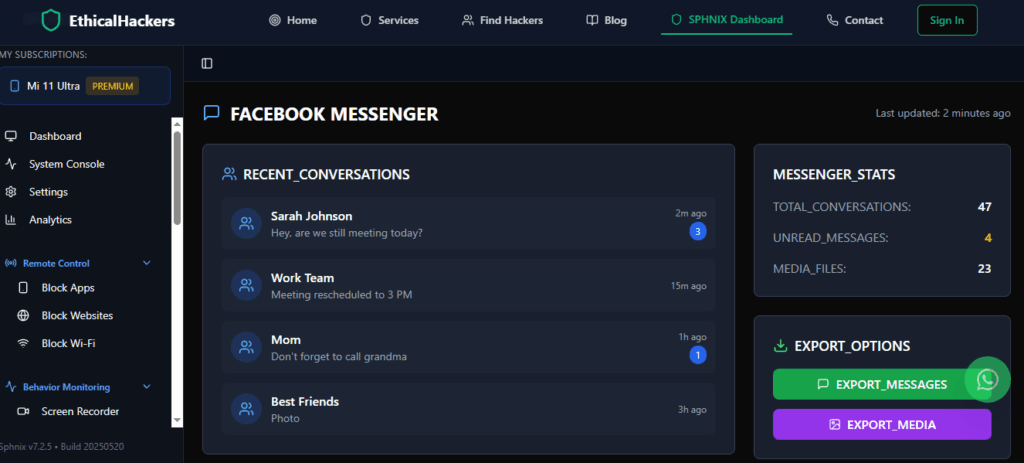
Sphnix positions itself as a comprehensive surveillance suite. Its dashboard provides extensive access to social media apps, call logs, and ambient recording features. It is known for its detailed reporting on communication patterns.
Best for: Users who prioritize deep social media and environmental monitoring.
2. mSpy
As an industry leader for over a decade, mSpy is known for reliability and a wide feature set. It offers robust location tracking with geofencing alerts, keylogging, and access to a broad array of messaging apps. Its customer support is more established than many competitors.
Best for: Those seeking a proven, all-in-one solution with strong technical support.
3. Parentaler
Parentaler is marketed toward parental controls but offers features applicable to other forms of monitoring. It provides strong call and SMS logging, location tracking, and access to media files on the device.
Best for: Users focused on fundamental communication logs and media access at a potentially lower price point.

Ethical and Legal Alternatives to Secret Spying
If your goal is transparency and rebuilding trust, these legal alternatives are far more effective and carry no legal risk.
- Open Communication: A direct, honest conversation, though difficult, is the healthiest starting point. Consider using “I feel” statements rather than accusations.
- Relationship Counseling: A professional therapist can provide a neutral space to address suspicions and communication breakdowns.
- Consensual Transparency Tools: If both parties agree, you can use features built for trust:
- Location Sharing: Use Google Maps or Apple’s Find My Friends with mutual consent.
- Shared Password Managers: Agree to share access to certain accounts as a gesture of transparency.
Recognizing If You Are the Target of Monitoring
Given the prevalence of this software, it’s vital to know the signs that your own device might be compromised:
- The battery drains much faster than usual.
- The phone feels warm when not in active use.
- There are unexpected spikes in mobile data usage.
- The device restarts unexpectedly or shows strange background activity.
- You notice an unfamiliar app that cannot be uninstalled.
If you suspect you are being monitored, do not confront the person using the same device. Seek help from a domestic violence hotline or a tech professional who can safely examine your device.
Conclusion: Choosing Clarity Over Catastrophe
The search for an app to spy on my boyfriend’s phone is ultimately a search for certainty in the face of heartbreaking doubt. While technology offers a tantalizing, immediate path, it is a path paved with legal peril and almost certain relational destruction. The tools exist and are technically powerful, but their use in this context transforms them into instruments of violation.
True peace of mind cannot be downloaded. It is built through honest communication, professional guidance, or the difficult but clean break made from a position of strength, not from secretly gathered evidence that may be unusable and self-incriminating. Your well-being is paramount. Protect it with choices that don’t compromise your ethics or your freedom.
For situations involving complex digital threats or when you need to understand your legal options for protection, seeking professional, ethical expertise is the responsible course of action.
Frequently Asked Questions (FAQs)
Q1: Can he find the spy app if I install it?
Reputable apps like mSpy and Sphnix are designed to be undetectable. They hide their icon and use minimal system resources. However, a technically savvy person checking for unknown device administrator permissions, reviewing installed apps via settings, or noticing unusual data usage could potentially discover it. There is always a risk.
Q2: Is there a completely free app that actually works?
No. Any service advertising “free” comprehensive spying is almost certainly a scam. These sites may steal your payment information, infect your own device with malware, or simply take your money and provide nothing. Legitimate software development and server costs require a subscription fee. Free trials exist, but full functionality is never permanently free.
Q3: What’s the difference between these apps and parental control software?
The core difference is consent and intent. Parental control apps (like Qustodio or Bark) are designed for the protection of minors, are often installed with the child’s knowledge, and focus on safety features. Stalkerware is designed for secrecy and total surveillance of adults without their knowledge. Using a parental control app to secretly monitor a partner is still illegal and unethical.Z