
Quick answer: The 3 types of hackers are white hat hackers, black hat hackers, and gray hat hackers. White hats work legally to improve security, black hats break the law for profit or disruption, and gray hats operate in the middle, often without permission but not always with outright malicious intent.
If you need authorized help, look for white hat hackers for hire who work with written permission and clear reporting.
Updated April 2026
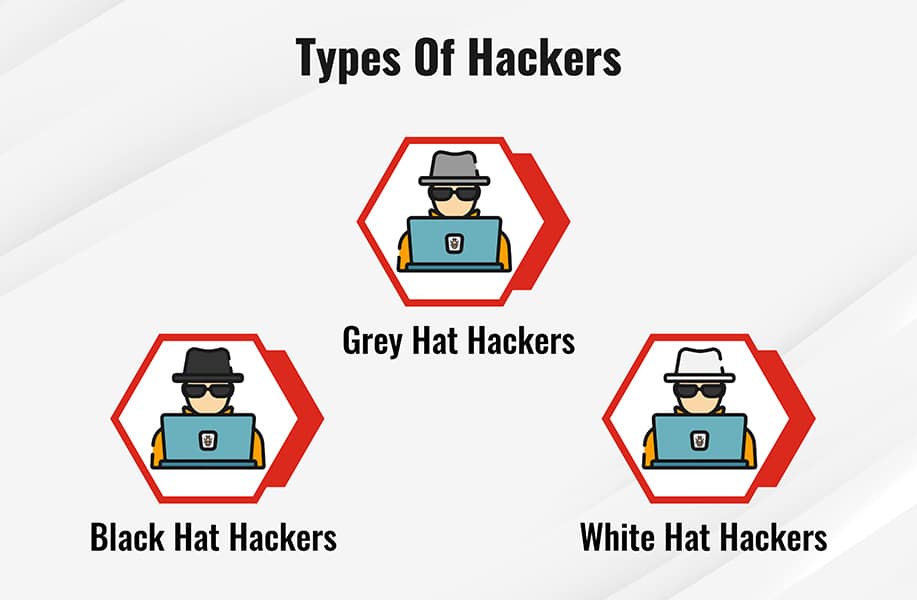
If you are trying to understand the 3 types of hackers, this guide breaks down the real differences in plain English. We will compare white hat vs black hat vs gray hat hackers, explain what each group does, and show why the distinction matters for businesses, students, and anyone researching cybersecurity.
This topic also matters commercially. If a company needs a security assessment, vulnerability review, or penetration test, it should work only with a white hat hacker or an authorized cybersecurity team. If you need the broader legal background first, read What Is Ethical Hacking? Responsibilities and Limitations.
What Are the 3 Types of Hackers?
The most common way to classify hackers is by intent, authorization, and legal status:
- White hat hackers: Authorized security professionals who test systems legally to improve defenses.
- Black hat hackers: Criminal attackers who exploit systems for theft, extortion, fraud, or disruption.
- Gray hat hackers: People who may find and disclose vulnerabilities without permission, even if they claim good intentions.
If you searched for what are 3 types of hackers or three types of hackers, this is the core answer. The rest of the page explains why those labels matter in practice.
White Hat Hackers: The Ethical Security Professionals
White hat hackers are cybersecurity professionals who work with clear permission. Their job is to identify weaknesses before criminals do. In a business setting, this usually means penetration testing, vulnerability validation, cloud security reviews, web application testing, wireless security assessments, or incident response support.
What makes a white hat different is not just skill. It is authorization, documentation, and scope. A legitimate white hat works under written rules of engagement, legal approval, and a defined objective. If you want to understand those boundaries better, see Rules of Engagement in Ethical Hacking and The Legal Side of Ethical Hacking.
What White Hat Hackers Usually Do
- Test web applications, networks, mobile apps, and cloud systems with permission.
- Document vulnerabilities, business impact, and remediation steps.
- Help organizations reduce risk before attackers find the same weaknesses.
- Support compliance programs, security audits, and internal defense planning.
Why Businesses Hire White Hat Hackers
This is the most commercially important part of the topic. Businesses do not hire “hackers” in the movie sense. They hire authorized professionals to:
- Run a penetration test before launch.
- Investigate signs of compromise.
- Validate security controls after a major change.
- Prepare for audits, insurance, or compliance reviews.
If your organization needs that kind of help, the right move is to work with a lawful security team, not a gray hat or black hat actor. You can start that conversation through the Spy Wizards contact page.
Black Hat Hackers: Illegal Attackers and Real-World Threats
Black hat hackers are the attackers most people picture when they hear the word hacker. They break into systems without permission and use that access for profit, espionage, fraud, sabotage, or extortion. Their methods vary, but their defining trait is simple: they operate outside the law and against the interests of the victim.
Black hats may target businesses, consumers, schools, healthcare providers, government systems, or financial platforms. Their goals can include credential theft, ransomware deployment, business email compromise, data resale, or service disruption.
Common Black Hat Objectives
- Steal credentials, personal data, or financial records.
- Deploy ransomware or other malware.
- Exploit weak configurations and unpatched software.
- Use phishing or social engineering to gain access.
The important trust point here is that people looking for security help should understand that a black hat is never a legitimate service provider. If a company or individual promises unauthorized access, guaranteed account takeovers, or secret system entry, that is a major warning sign, not a professional offering.
Gray Hat Hackers: The Legal and Ethical Middle Ground
Gray hat hackers sit between white hats and black hats. They may discover weaknesses and disclose them, but they often do it without authorization. That is why gray hat behavior is risky. A person may believe they are helping, but if they accessed or tested a system without permission, they can still create legal exposure for themselves and real operational risk for the target.
This is why many businesses do not want “good intentions” alone. They want contracts, scope, and a clear disclosure process. In modern cybersecurity, professionalism matters as much as technical ability.
Why Gray Hats Are Still Risky
- No written permission from the target.
- Possible violation of law, policy, or terms of service.
- Can trigger incident response, downtime, or liability issues.
- May expect payment or recognition after the fact.
If you are comparing the difference between a white-hat, grey-hat and black-hat hacker, the key difference is this: white hats have authorization, black hats have malicious intent, and gray hats often lack authorization even when they claim a constructive motive.
White Hat vs Black Hat vs Gray Hat: Side-by-Side Comparison
| Type | Permission | Intent | Legal status | Business value |
|---|---|---|---|---|
| White hat | Yes | Protect and improve security | Legal when properly authorized | High |
| Black hat | No | Steal, extort, disrupt, or profit | Illegal | None |
| Gray hat | No or unclear | Mixed; may claim good intent | Legally risky | Unreliable |
This comparison is the clearest answer for readers searching white hat vs black hat vs gray hat or white, black and grey hacking.
Which Type of Hacker Should a Business Hire?
A business should hire only a white hat hacker, ethical hacking firm, or authorized security consultant. That provider should be able to explain:
- The testing scope.
- The legal authorization required.
- The methodology and reporting process.
- The remediation support available after testing.
If you are researching this topic from a buyer’s perspective, the real commercial query is not “Which hacker should I hire?” It is “Which authorized security professional can legally test my systems and help me reduce risk?” That is a white hat use case, and it belongs inside formal cybersecurity services.
For readers moving from education to action, the next logical step is to understand the limits of lawful work in ethical hacking responsibilities and limitations, then reach out through Contact Us if you need a legitimate security discussion.
How to Become a White Hat Hacker
Many readers landing on this page are not buyers. They are students, career changers, and early-stage cybersecurity learners. For them, the most valuable direction is toward white hat work, not gray or black hat behavior.
A strong white hat path usually includes:
- Learning networking, systems, and basic security concepts.
- Practicing in legal labs and training environments.
- Studying ethical hacking methods and reporting discipline.
- Understanding law, compliance, and authorization.
- Building hands-on experience with defensive and assessment tools.
Start with What Is Ethical Hacking?, then continue to laws and certifications. Those pages are a much better next step than generic homepage links because they match the search intent behind this article.
Why Understanding Hacker Types Matters for Rankings and Revenue
From an SEO and business perspective, this topic sits near the top of the funnel. People searching 3 types of hackers are usually in research mode, not ready to buy immediately. That means this page should do two jobs well:
- Rank and earn clicks for the comparison query cluster.
- Move readers deeper into white-hat, legal, and service-oriented pages.
That is why this article now emphasizes the commercial difference between learning about hackers and hiring authorized security help. The money is not in forcing an informational page to sound like a sales page. The money comes from matching intent first, then guiding qualified readers toward ethical security services.
FAQs About the 3 Types of Hackers
What are the 3 types of hackers?
The 3 main types of hackers are white hat hackers, black hat hackers, and gray hat hackers. They are grouped by intent, permission, and legal status.
What is the difference between a white hat hacker and a black hat hacker?
A white hat hacker has authorization and works to improve security. A black hat hacker has no authorization and attacks systems for criminal or harmful purposes.
Are gray hat hackers illegal?
Gray hat behavior can still be illegal or contractually prohibited because the person often acts without permission, even if they claim they are helping.
Which type of hacker should a company hire?
A company should hire only a white hat hacker or authorized cybersecurity team for legal assessments, testing, and remediation support.
Can a gray hat hacker become a white hat hacker?
Yes. With proper authorization, training, and legal discipline, someone can move into professional white-hat security work.
Why do people search for white hat vs black hat vs gray hat?
Most readers want a simple way to compare legality, intent, and risk. Businesses also use this distinction when deciding whether a service provider is trustworthy and lawful.
Final Takeaway
If you remember only one thing, remember this: white hats are authorized defenders, black hats are illegal attackers, and gray hats are risky because they operate without clear permission.
That difference matters whether you are studying cybersecurity, protecting a business, or evaluating outside help. If you need the legal framework, read The Legal Side of Ethical Hacking. If you need to discuss a lawful security engagement, use the Contact Us page.
Leave a Reply