
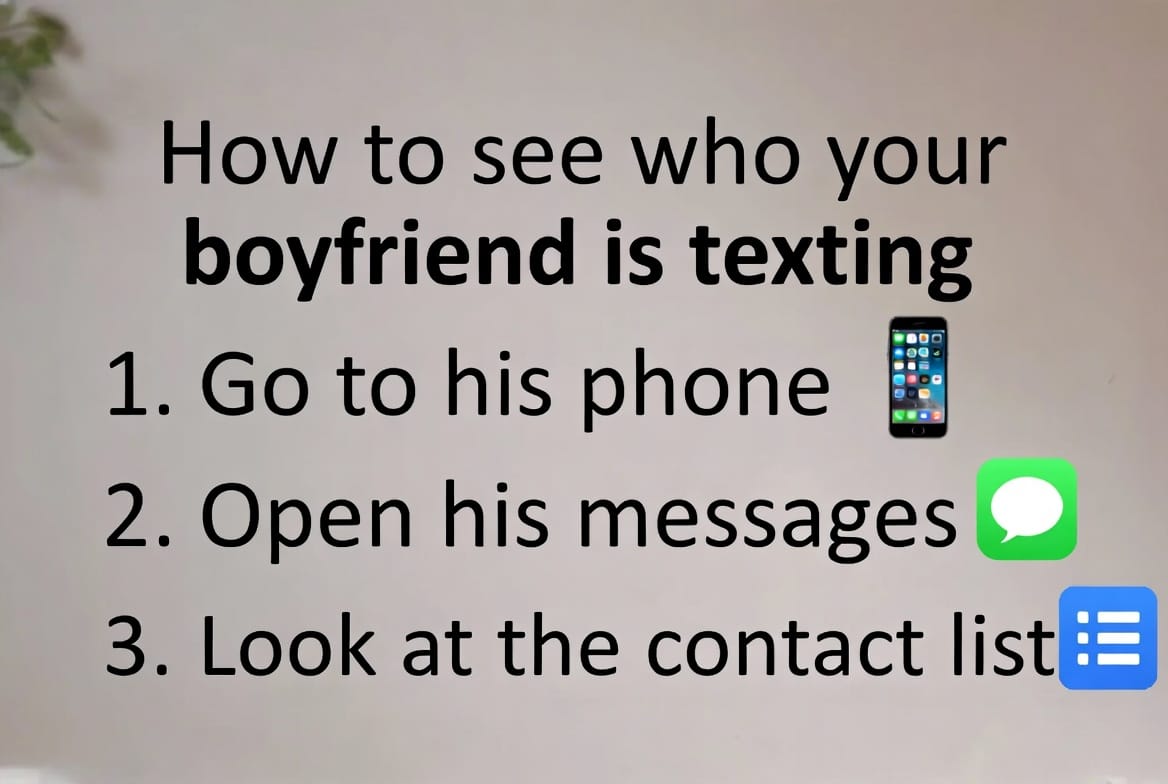
That nagging feeling in the pit of your stomach. The way he angles his phone away, the late-night notifications that go unanswered, the growing di The Truth About Seeingstance you can’t quite define. If you’re searching for how to see who your boyfriend is texting, you’re likely in a painful space between love and suspicion. As a cybersecurity professional with over a decade of experience in digital forensics, I’ve seen firsthand how the quest for answers can lead people down dark, illegal, and relationship-ending paths.
Updated February 2026
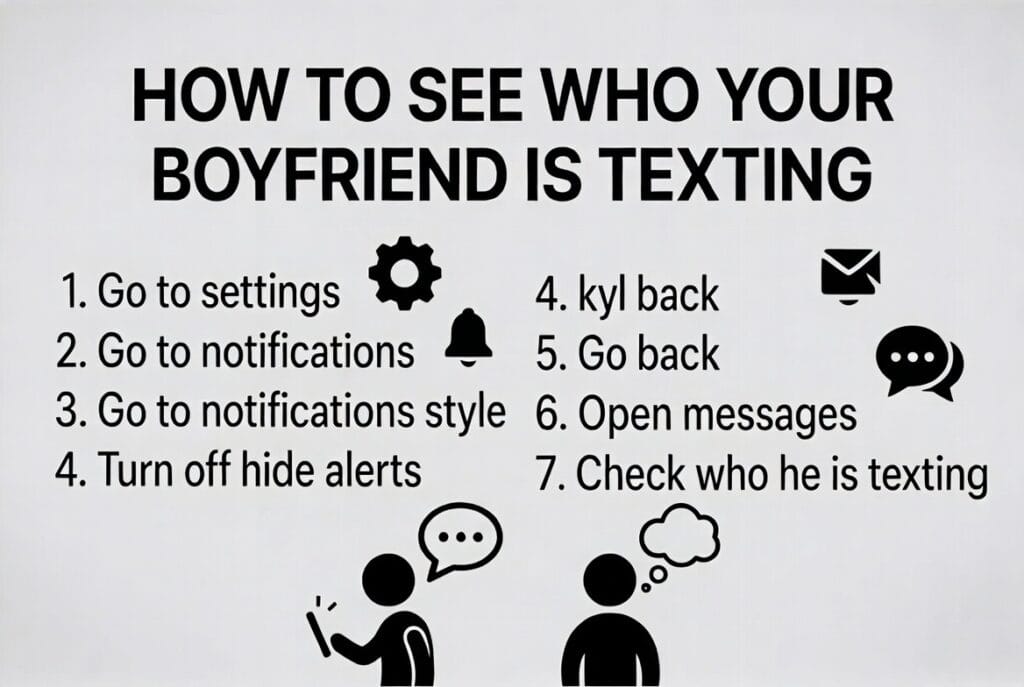
This article will not offer you a simple spy tool. Instead, it will provide a clear-eyed view of your options, explain the severe legal and personal risks of covert monitoring, and guide you toward the only healthy way to find real answers: through communication and clarity.
The Hard Truth: Legal and Ethical Boundaries
Before we examine any method, you must understand the non-negotiable legal reality. In virtually every country, including under laws like the Computer Fraud and Abuse Act in the United States, accessing another adult’s private communications without their explicit consent is a crime.
- It’s a Criminal Offense: Unauthorized access to texts, emails, or social media accounts is computer fraud. Convictions can result in fines and even imprisonment.
- It’s a Civil Violation: Your boyfriend could sue you for invasion of privacy, with courts often awarding significant damages for emotional distress.
- Consent is Everything: Being in a relationship does not grant you legal permission. The only exceptions are parents monitoring minor children or employers monitoring company-owned devices with prior employee notification.
Beyond the law, it’s a profound ethical breach. If trust has eroded to the point where you feel the need to secretly see who your boyfriend is texting, the relationship already has a critical foundation problem that spying will only worsen.
How Monitoring Who Is My Boyfriend Technology Actually Works (And Its True Purpose)
Legitimate monitoring software exists, but it is designed and marketed for specific legal purposes: parental control of minors and employer monitoring of company-owned devices with employee consent. Understanding how these tools function reveals why they are both ineffective and dangerous for relationship spying.
To access text logs and contact information, these apps typically require:
- Physical Access: One-time, unsupervised access to the target phone is needed for installation (Android) or iCloud credential entry (iPhone).
- Security Bypasses: Installation often involves disabling protections like Google Play Protect or, for deeper access, performing a complex “jailbreak” on iPhones that voids warranties.
- A Paid Subscription: Professional monitoring requires infrastructure. “Free” offers are almost always scams designed to steal your data or money.
- Ongoing Risk: Despite “stealth mode” claims, these apps can cause battery drain or performance issues, risking discovery.
Analysis of Monitoring Apps: Features and Intent
The apps you’ve asked about are powerful, but their intended legal use is critical. Using them to monitor a partner without consent transforms them into stalkerware—a tool of digital abuse.
mSpy: The Extensive Monitoring SuiteThe Hard Truth Aboutn class=”ez-toc-section-end”>
mSpy is one of the most well-known apps, boasting a wide range of features for comprehensive oversight.

- Key Features for Contact Discovery: Monitors SMS and iMessage logs, showing you contact numbers and names. Tracks calls and messages on social platforms like WhatsApp, Snapchat, and Facebook Messenger, revealing usernames and profiles.
- Additional Surveillance Tools: Includes GPS location tracking, geofencing alerts, and web history review.
- Critical Considerations: Independent reviews frequently cite that features can be unreliable, especially on iPhones without a jailbreak. More alarmingly, mSpy has suffered significant data breaches, exposing the private information of both the users and the people they were monitoring to hackers.
Sphnix Tracking App
Sphnix operates as a general device monitoring solution. While less documented, apps in this category share common functionalities.
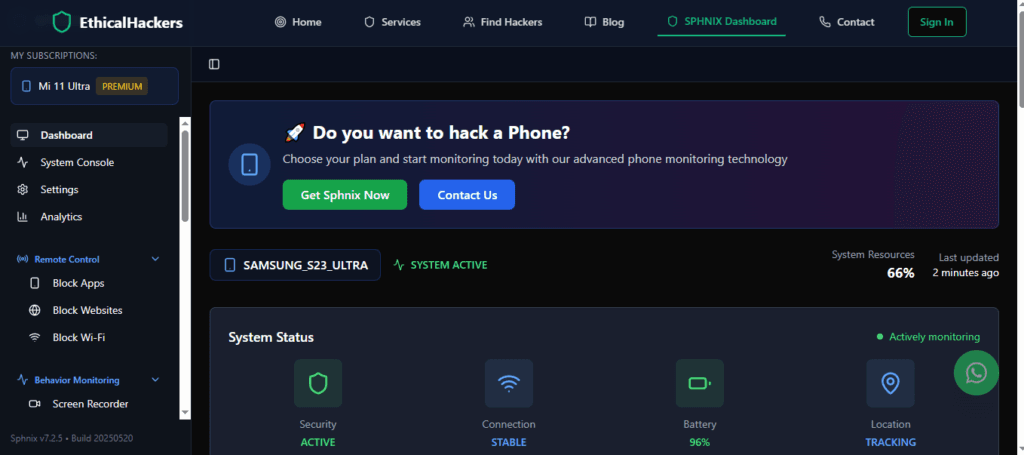
- General Capabilities: Typically includes tracking for call logs, SMS contacts, GPS location, and may monitor social media app usage.
- Stealth Operation: Marketed to run invisibly on the target device.
- The Core Issue: Like all such apps, using Sphnix to secretly monitor a boyfriend is illegal surveillance. Its features are designed for legal oversight contexts, not covert relationship investigations.
Parentaler: Focused on Parental Control
As the name suggests, Parentaler is explicitly marketed as a parental control tool, emphasizing child safety and digital habit management.
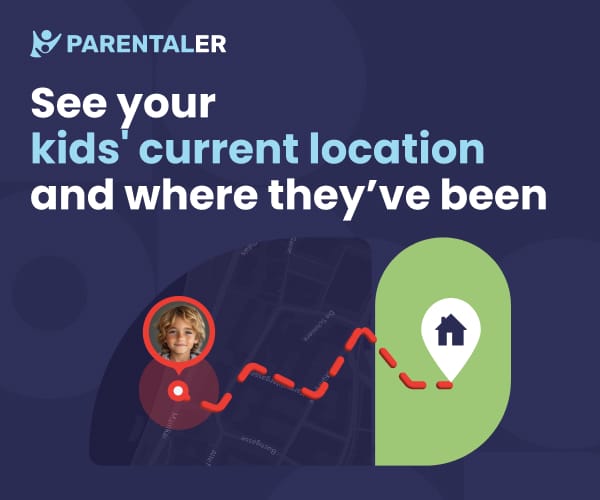
- Typical Feature Set: Focuses on monitoring text and social media contacts, tracking location, and filtering web content.
- Philosophy: Often framed around helping parents guide and protect, not just surveil.
- Important Context: Using a tool designed to protect children to spy on an adult partner is a profound misuse and a clear legal violation.
The High Cost of Choosing Surveillance
Pursuing secret monitoring carries catastrophic consequences that extend far beyond getting answers.
- Relationship Destruction: Trust, once broken by surveillance, is nearly impossible to rebuild. Discovery almost guarantees a painful, definitive breakup.
- Legal Repercussions: You risk criminal prosecution and civil lawsuits, potentially facing a permanent record and financial ruin.
- Exposure to Scams: The search for solutions makes you a prime target for phishing sites and malware that steal your own identity and finances.
- Emotional and Moral Damage: Engaging in such deception can erode your self-respect and trap you in a cycle of anxiety and paranoia, not relief.
The Healthy Path: From Suspicion to Resolution
If your doubts are powerful enough to make you consider illegal surveillance, the core issue is a crisis of trust. Technology cannot fix this; it will only cause more damage. Here is a constructive path forward:
- Self-Reflection: Honestly identify the source of your suspicion. Is it based on specific, observable changes in his behavior, or is it rooted in your own insecurities or past relationship trauma?
- Direct Communication: This is the hardest but only healthy step. Choose a calm, private time. Use “I feel” statements: “I’ve been feeling insecure and distant in our relationship lately, and it’s really worrying me. I care about us, and I need to talk about what’s going on.” This focuses on your feelings and opens a dialogue instead of launching accusations.
- Seek Professional Help: If you cannot communicate effectively, a licensed couples counselor can provide a neutral, guided space to address underlying issues. This is a sign of strength and commitment to the relationship’s health.
- Evaluate the Foundation: If the trust is so broken that secret spying seems like the only option, the relationship may already be over. It is more courageous to end a partnership founded on mistrust than to imprison it with surveillance and fear.
When Professional Cybersecurity Services Are Actually Appropriate
You may wonder about professional services like SpyWizards. We operate in a completely different, legal, and ethical realm. Professional firms provide authorized services such as:
- Digital Forensics: Legally recovering data for court cases or internal corporate investigations.
- Authorized Security Audits: With full permission, testing a company’s cyber defenses to find weaknesses.
- Incident Response & Defense: Helping individuals and businesses secure their systems against unauthorized surveillance, malware, and stalkerware.
We are experts in security and privacy protection. We do not engage in the personal surveillance of partners. That work is unethical, illegal, and harmful.
Conclusion: Choose Honesty, Not Espionage
The search for a way to see who your boyfriend is texting leads to a landscape of legal danger and relational ruin. The apps that exist—mSpy, Sphnix, Parentaler—are designed for legal, protective oversight, not for secret spying on an adult partner. Using them otherwise is an abuse of technology and a violation of a person’s fundamental right to privacy.
True peace of mind comes from clarity and honesty, not from stolen data. Invest your energy in the difficult work of communication, seek help together, or find the strength to walk away from a situation that compels you to consider betrayal. Protect your own character and integrity; they are your most valuable possessions and the only true foundation for a healthy future relationship.
Frequently Asked Questions (FAQs)
Q1: What if I’m just worried about his safety or if he’s talking to someone dangerous?
Genuine safety concerns are addressed through partnership, not surveillance. Have a conversation: “I care about you and sometimes worry about who you might be interacting with online. Can we talk about how we both stay safe?” This builds a team dynamic based on care, not control.
Q2: If he’s cheating, don’t I have a right to know the truth?
While the desire to know is understandable, it does not create a legal right to violate privacy laws. Suspicion warrants a direct conversation or a decision about the relationship’s future, not a crime. Evidence gathered illegally is also inadmissible in any context.
Q3: What are clear signs that my own phone might have spyware?
Be alert to: rapid battery drain for no reason, the phone feeling warm when idle, unexpected restarts, strange background noises during calls, a sudden and significant slowdown in performance, or unexplained spikes in mobile data usage. If you suspect you are being monitored, consult a cybersecurity professional.
Safety and Authorization Note
Use cybersecurity guidance only on accounts, devices, and networks you own or are clearly authorized to review. If you are dealing with account recovery, suspicious logins, device privacy concerns, or business security checks, document what happened, preserve alerts or recovery emails, and avoid sharing passwords, one-time codes, private keys, or financial details. Spy Wizards focuses on lawful support, ethical security review, privacy protection, and practical recovery steps that reduce risk without crossing consent boundaries.
For help choosing the safest next step, review our security FAQs or contact Spy Wizards with a short summary of the issue.
Leave a Reply