
The specific question of how to sync my boyfriend’s android phone to mine highlights a modern relationship challenge with a technical twist. Android’s open nature makes the idea of digital connection seem more attainable than with locked-down iOS devices. This desire often stems from wanting to feel closer, coordinate logistics, or address nagging insecurities.
Updated February 2026
With a decade of experience in mobile security and digital relationship dynamics, I’ve seen the good and bad that can come from linking devices. This guide will provide a clear, professional look at what syncing an Android phone truly involves. We’ll explore the technical possibilities, the non-negotiable legal and ethical walls you will hit, and the healthy paths to transparency. My goal is to provide honest information so you can make choices that protect your relationship and your integrity.
The Technical Reality of “Syncing” an Android Phone
When people ask how to sync my boyfriend’s android phone to mine, they’re rarely talking about sharing a calendar. In practical terms, this “sync” refers to establishing remote, ongoing access to the data on his device. This is achieved through monitoring applications.
Android’s architecture is key here. Compared to iPhones, Android devices generally allow for deeper monitoring without complex workarounds like jailbreaking. However, this “advantage” comes with serious caveats. Achieving this access still requires installing software on his phone, which immediately introduces the critical element of consent.
The Legal and Ethical Imperative: Why Consent Can’t Be Bypassed
This is the most important section you will read. Installing monitoring software on another adult’s Android phone without their explicit knowledge and permission is illegal.
This action violates:
- Computer Fraud and Abuse Laws: Gaining unauthorized access to a computer system (which includes smartphones) is a crime.
- Privacy and Surveillance Statutes: Many states have specific laws against electronic stalking and unauthorized interception of communications.
Using a “parental control” app for this purpose reclassifies it as stalkerware. The legal consequences can be severe, including criminal charges and civil lawsuits. Beyond the law, it is a fundamental violation of trust that typically destroys relationships when discovered.
Understanding Android Monitoring Applications
For educational purposes within a legal, consensual context (like a parent monitoring a teen’s Android device), several applications offer extensive features. The following table compares the types of applications often discussed.
| Application | Primary Legal Purpose | Key Android Monitoring Features | Critical Risk for Partner Use |
|---|---|---|---|
| Spynger | Monitoring / Tracking | GPS location, social media & SMS, call logs, keylogger, ambient recording. | High-risk for abuse. Promotes extensive stealth surveillance which is illegal without consent. |
| Eyezy | Insight / Monitoring | Social media aggregation, SMS/call tracking, keyword alerts, screen recording. | User-friendly data presentation doesn’t change its illegal status when used covertly on a partner. |
| Sphnix (via Marketplace) | Professional Cybersecurity | Platform for ethical hackers offering security audits, not consumer spyware. | Not a syncing app. Misusing this service for spousal surveillance is illegal and unethical. |
1. Spynger: Comprehensive Android Surveillance
Spynger is marketed as a powerful, all-in-one monitoring solution that leverages Android’s flexibility. Its dashboard can provide access to GPS location history, messages from apps like WhatsApp, Instagram, and Snapchat, call logs, and even a keylogger to capture every keystroke typed.
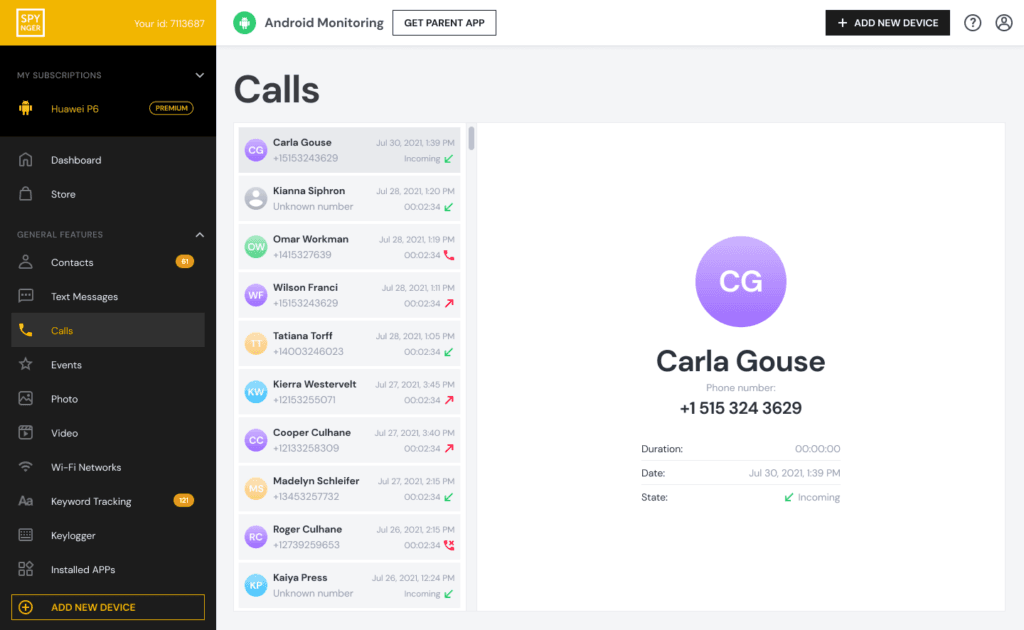
- Android Installation: Requires physical access to the phone to disable Google Play Protect and install the app from an unknown source (a major security red flag).
- Professional Assessment: Its depth of access on Android makes it a particularly dangerous tool for misuse in relationships. User reviews frequently report technical issues like poor data syncing and aggressive billing practices.
2. Eyezy: User-Friendly Monitoring Interface
Eyezy focuses on presenting monitored data in a clean, organized dashboard. For Android, it offers features like “Social Spotlight” to aggregate chats, screen recording to capture real-time activity, and keyword alerts for specific terms.

- Android Installation: Similarly requires physical installation and configuration on the target device.
- Professional Assessment: Its modern design can make the idea of monitoring seem less intrusive, but the fundamental ethical and legal violation remains the same if used without consent.
3. Sphnix & Professional Cybersecurity Services
The provided link directs to a professional cybersecurity marketplace. This is not a consumer app for syncing phones. It is a platform to hire vetted ethical hackers for services like security penetration testing, data recovery, and vulnerability assessments—all conducted with explicit client consent and legal contracts.
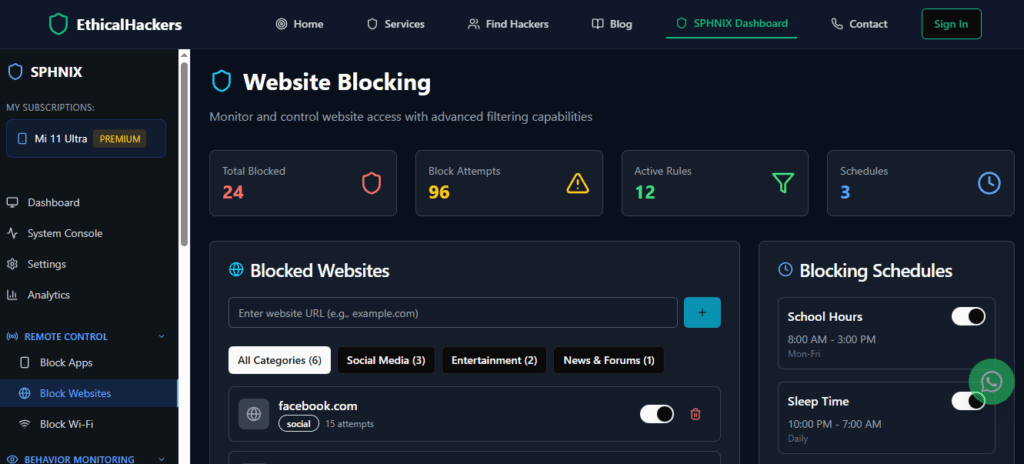
- Professional Assessment: Attempting to hire a professional from this platform to secretly access your boyfriend’s Android phone would be a serious misuse of the service, a violation of their ethical code, and a direct path to legal trouble.
The Severe Consequences of Secret Android Monitoring
Choosing to secretly install software has devastating potential outcomes:
- Legal and Financial Repercussions: You could face prosecution. In the event of a breakup, illegally obtained data is useless in any legal proceeding and paints you as the aggressor.
- Guaranteed Destruction of Trust: Surveillance doesn’t fix trust; it replaces the relationship with a dynamic of warden and prisoner. Discovery usually ends the relationship.
- Your Own Security Risk: Many stalkerware apps are poorly secured. Data breaches have exposed the personal information of both the people spied on and the customers who bought the software.
Ethical and Consensual Ways to Connect
If you desire more digital closeness, here are healthy, legal alternatives that answer the true intent behind how to sync my boyfriend’s android phone to mine:
- Have a Direct Conversation: This is the hardest but most important step. Use “I feel” statements: “I’ve been feeling like we’re living on separate digital islands. Would you be open to finding ways to connect our tech lives a bit more for convenience and closeness?”
- Use Mutually Agreed-Upon Android Tools:
- Google’s Built-In Features: You can share your Google Calendar for planning, use Google Maps location sharing (requires his permission to share his location), or create a shared Google Photo album.
- Find My Device: He can willingly enable Google’s Find My Device and grant you access to see his phone’s location. This requires his active, transparent consent.
- Partner/Family Apps: Apps like Life360 or Zenly are designed for mutual, consensual location sharing among family and close friends.
- Seek Relationship Counseling: If insecurity or distrust is the real driver, a professional therapist can help you address these issues healthily, without resorting to secret surveillance.
How to Protect Your Own Android Phone
Sometimes, the fear of being monitored leads people to consider monitoring others. Know the signs that your own Android phone might have spyware:
- Performance: Rapid battery drain, overheating, or sluggishness.
- Data Usage: Unexplained spikes in mobile data consumption.
- Strange Behavior: The phone lighting up or making sounds when not in use, unfamiliar apps in your settings.
- Installation Sources: Check Settings > Security > Unknown sources (or Install unknown apps) to see if any app has permission to install from outside the Google Play Store that shouldn’t.
If you find evidence and feel unsafe, contact a support service from a safe device. Technically, a factory reset will remove most threats (back up your own data first).
Conclusion: Build Bridges, Not Backdoors
The technical method for how to sync my boyfriend’s android phone to mine via stealth apps like Spynger or Eyezy exists. However, using that method without consent is not an act of love—it’s an act of control that risks your relationship and your legal standing.
Android’s openness is best used for collaboration and mutual agreement, not for covert surveillance. Choose to build digital trust through the front door of honest conversation and agreed-upon sharing. That is the only type of “sync” that creates a stronger, healthier, and lasting connection.
If you are struggling with relationship insecurity or genuine safety concerns, seeking guidance from a professional counselor is the responsible and effective path forward.
Frequently Asked Questions (FAQs)
Q1: Is it easier to monitor an Android than an iPhone?
Generally, yes, from a technical standpoint. Android allows installation from “unknown sources,” which monitoring apps require. iOS has stricter security that makes undetected installation much more difficult without the user’s iCloud credentials. However, the legal difficulty is identical—doing so without consent is illegal for both platforms.
Q2: Can he find spyware on his Android phone?
Yes. While the apps hide, signs like severe battery drain, high data usage, or strange performance issues are common. He can also check for unknown apps in Settings > Apps, review app permissions, or use a reputable mobile security scanner from the Play Store that detects stalkerware.
Q3: What if I just want to see his location for safety reasons?
The ethical and legal solution is to ask. You can say, “It would make me feel better if I could see your location when you’re driving home late or traveling. Would you be willing to share it with me on Google Maps?” If he agrees, that’s consensual and safe. If he says no, you must respect that boundary.
Leave a Reply