

The suspicion that your wife is unfaithful isn’t just a thought; it’s a physical weight on your chest, a constant static in your mind. For ten years, I’ve sat across from men just like you—good men, intuitive men, who noticed the shift in their marriage but couldn’t pinpoint the source. They didn’t want to be paranoid; they wanted answers.
Updated February 2026

They needed to know how to catch your wife cheating with concrete evidence, not just lingering doubt. If you’re here, you’ve moved past casual worry into a need for resolution. This guide is not about promoting distrust, but about empowering you with a clear, structured, and effective approach to find the truth. We will move from behavioral observation to actionable steps, covering both traditional signs and modern digital methods.
Phase 1: Master the Art of Observation and Information Gathering
Before you touch a phone or install software, you must become an objective observer. This phase is about collecting behavioral data and identifying patterns.
- Audit Changes in Routine: Start a discrete log. Note unexplained late nights at work, new hobbies that don’t include you, or sudden weekend trips with friends. Pay close attention to inconsistencies in her stories. Does a “work dinner” on Tuesday align with her colleagues’ social media? Is the mileage on the car far higher than her stated commutes warrant?
- Monitor Communication Shifts: Observe her phone behavior. Does she leave the room to take calls? Does she immediately hide her screen when you walk by? Has she recently changed passwords on her phone, email, or social media after years of sharing them? A sudden, intense need for digital privacy is a significant red flag.
- Check Financial Footprints: Credit card and bank statements are often the most indisputable evidence. Look for unfamiliar charges—hotels, restaurants in strange locations, boutique purchases, or ATM withdrawals that don’t match her story. Many people slip up by using a shared account for indiscretions.
- Trust Your Gut, But Demand Proof: Your intuition is a powerful sensor. That feeling that “something is off” is often the first clue. However, your goal now is to move from gut feeling to documented fact. Do not confront her yet based on feeling alone.
Phase 2: The Digital Investigation – Gathering Evidence
The modern affair lives and breathes through technology. Your most compelling evidence will likely be digital.
- Social Media & Messaging Clues: Check her social media followers/following lists for new, unfamiliar contacts. Look for excessive interactions with one person. Note if she’s using platforms like Snapchat (where messages disappear) or Instagram Vanish Mode more frequently. Check her phone’s email inbox for dating app confirmation or reset password emails—a common oversight.
- Vehicle and Physical Item Checks: Periodically check the passenger side floor and glove compartment of her car. Look for receipts, unfamiliar hair ties, or other personal items. A quick, discreet check of her purse (if left open) might reveal a second phone or a hotel key card.
- The Legal Landscape: It is critical to understand that in most jurisdictions, installing tracking or monitoring software on a device you do not own is illegal. The information in this guide is for educational purposes regarding devices you own or with explicit consent. Always know your local laws.
Phase 3: Utilizing Professional Monitoring Tools
When observational evidence points strongly toward deception, professional monitoring software provides the clearest path to definitive proof. These tools, when used legally on a device you own, offer unparalleled visibility.
1. Sphnix Tracking App
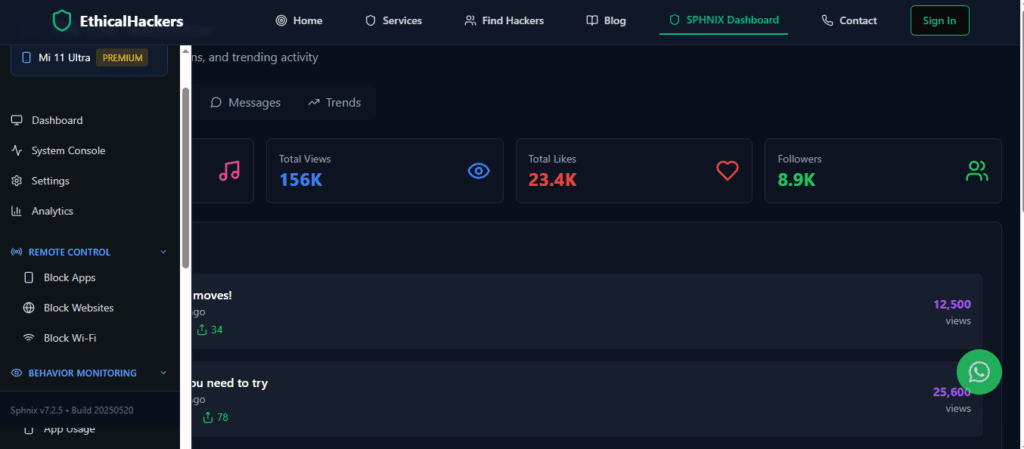
Sphnix is a powerhouse for comprehensive monitoring. It provides real-time GPS location tracking, call logs, and SMS history. Its most potent features include ambient recording (letting you listen to surroundings), and full access to social media and messaging apps like WhatsApp, Facebook, and Telegram. It delivers a complete picture of digital activity in a centralized dashboard.
2. mSpy
As one of the most established names in the market, mSpy offers a robust and user-friendly suite of tools. It excels at tracking text messages, call history, and GPS location. A key feature is its ability to monitor popular messaging apps like iMessage, Skype, and Tinder. Its geofencing feature sends you an alert when the device enters or leaves a designated area, which can be crucial for confirming movements.

3. Parentaler
While marketed for parental control, Parentaler’s features are exceptionally effective for gathering evidence. It offers detailed location tracking, social media monitoring, and web history access. Its strength lies in its stealth operation and keylogger function, which records every keystroke made on the target device, revealing passwords and typed messages before they are sent or deleted.

Phase 4: The Confrontation – Having “The Talk”
Once you have gathered concrete, undeniable evidence, you must plan the confrontation. Doing this wrong can lead to denial, manipulation, and destroyed chances for any resolution.
- Choose the Time and Place: Privately, at home, when there are no immediate time pressures. Do not do it in public or before a family event.
- Stick to the Facts: Begin by stating your feelings calmly. “I have been feeling very distant from you, and I need to talk about something serious.” Present the evidence clearly and without hysterics. Show a screenshot, state a location discrepancy, or reference a specific charge. Avoid vague accusations.
- Manage the Response: Be prepared for tears, anger, deflection, or blame-shifting (“You’re paranoid! You’re controlling!”). Do not engage in a screaming match. Stay calm and return to the facts you have documented. Her reaction will often tell you as much as the evidence itself.
Phase 5: Next Steps After the Truth is Revealed
The path forward depends entirely on the outcome of your confrontation and your personal choice.
- If She Confesses and You Seek Reconciliation: Insist on professional marriage counseling immediately. Full transparency (open device policies, shared passwords) must be a non-negotiable condition for rebuilding trust. The journey is long and requires professional guidance.
- If She Denies Despite Evidence or You Choose to Separate: Your first call should be to a qualified family law attorney. Do not move out of your home without legal advice. Secure your financial assets and begin the emotional process of separation with the support of a therapist or trusted support network.
- When Technology Isn’t Enough: In cases where the digital trail is cold, evidence is hidden on secure devices, or you face sophisticated deception, standard software may hit a wall.
If you have exhausted observable methods and need expert-level digital investigation to definitively learn how to catch your wife cheating, specialized professional assistance is the logical next step.
Conclusion: Reclaiming Your Peace of Mind
The process of discovering infidelity is one of the most painful experiences a person can endure. However, living in the purgatory of suspicion is its own unique hell. This guide has provided you with a phased strategy—from quiet observation to digital verification and finally, confrontation. Knowledge is power, and the truth, however painful, is the only foundation upon which you can rebuild your life, whether that’s together or apart. You have the right to know, and now, you have a clear plan to find out.
Frequently Asked Questions (FAQs)
Q1: What’s the most effective single method to catch a cheater?
From a decade of experience, the most effective method is a combination of digital monitoring and financial auditing. Monitoring software provides real-time communication and location data, while bank/credit card statements often provide the tangible, indisputable proof (hotel charges, gifts) that breaks through denial.
Q2: Is the data from tracking apps admissible in court?
This varies greatly by jurisdiction and the specific circumstances of how the data was obtained. In many divorce proceedings, evidence gathered illegally (like installing software on a device you don’t own) may be thrown out and could even result in counter-charges against you. Always gather evidence with an understanding of local laws, ideally under the guidance of an attorney.
Q3: Should I hire a private investigator instead of using software?
It depends on your budget and the situation. A licensed PI can conduct physical surveillance, perform background checks, and gather evidence in a legally-vetted manner. Monitoring software is a lower-cost tool for gathering digital evidence from a specific device. For complex cases involving offline meetings or if you lack access to the target device, a professional investigator is often the more effective and legally sound choice.
Leave a Reply