Who Is My Boyfriend Texting? Navigating Doubt with Ethics and Clarity
That pit in your stomach when his phone lights up and he quickly turns it away. The unexplained late-night notifications, the vague answers about Who Is My Boyfriendhis day, that growing distance you can feel but can’t prove. If you’re searching for answers to “who is my boyfriend texting?” you’re experiencing a painful conflict between love and suspicion. As someone with over a decade of experience in cybersecurity and digital forensics, I’ve guided many clients through this difficult situation.
Updated February 2026
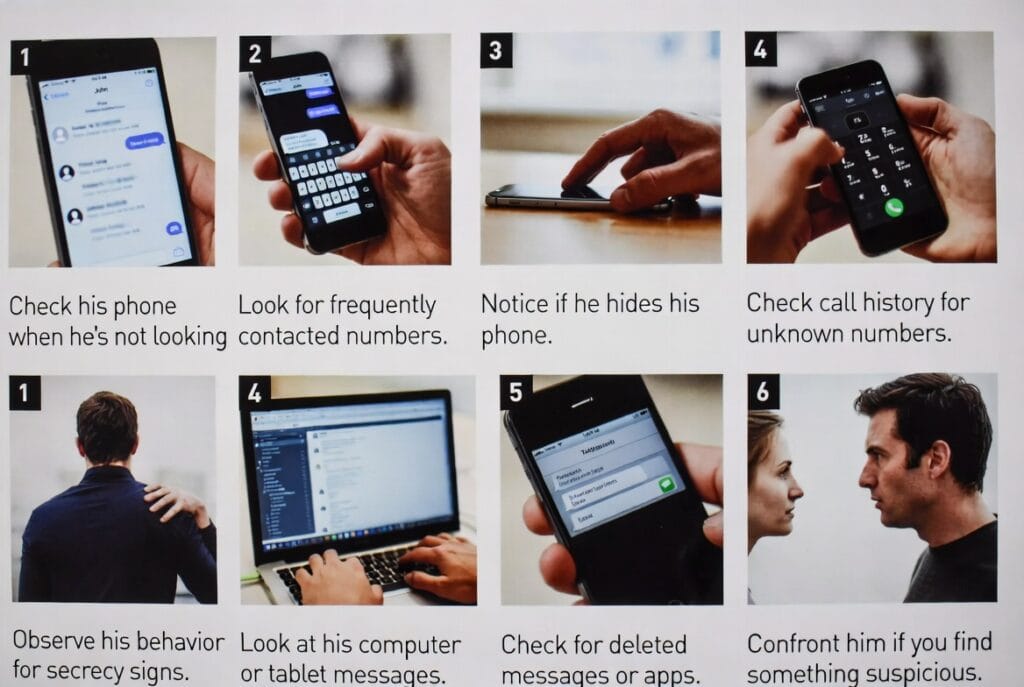
The impulse to find a technical solution is strong, but the path of secret surveillance is fraught with legal peril and almost guarantees relational disaster. This guide will provide you with a clear-eyed view of the technological landscape, the serious consequences of misuse, and the healthiest path to finding the truth you deserve.
The Essential First Step: Understanding the Legal and Ethical Reality
Before exploring any tool or method, you must confront a non-negotiable truth. In virtually every jurisdiction, including under laws like the Computer Fraud and Abuse Act in the United States, accessing another adult’s private communications without their explicit consent is a crime. This isn’t a minor violation; it can be prosecuted as computer fraud, carrying penalties that include fines and even imprisonment.
Beyond the law, it’s a profound ethical breach. Trust is the foundation of a relationship. Secret surveillance shatters that foundation. If your doubts are powerful enough to make you consider spying, the relationship already has a critical problem—and surveillance will only compound it, adding betrayal to the existing issues. Professional ethical hackers and legitimate monitoring companies explicitly warn against using their tools for unauthorized spying on partners.
How Monitoring Technology Is Designed to Work (And Its True Purpose)
The apps often marketed for “phone tracking” are, in fact, powerful pieces of software. However, they are designed and intended for specific legal purposes: parental control of minors and employer monitoring of company-owned devices with employee prior knowledge and consent.
To function, these applications typically require:
- Physical or Credential Access: Installation usually requires one-time physical access to the target phone or, for some iPhone features, the user’s iCloud credentials.
- Security Bypasses: Proper setup often involves disabling security features like Google Play Protect on Android devices, which is a significant red flag for device security.
- A Paid Subscription: Professional-grade monitoring requires infrastructure. “Free” versions are almost always scams or malware designed to steal your data.
- Ongoing Risk: Despite “stealth mode” claims, these apps can cause battery drain or performance issues, risking discovery and confrontation.
A Detailed Look at Monitoring Applications
The following apps are frequently discussed in this space. It is crucial to understand that using them to monitor a boyfriend without his consent transforms them from parental control tools into stalkerware—a tool of digital abuse that violates his privacy and your trust.
Sphnix Tracking App
Sphnix is marketed as a discreet surveillance tool capable of extensive monitoring, often mentioned in contexts discussing “cell phone hackers for hire”.
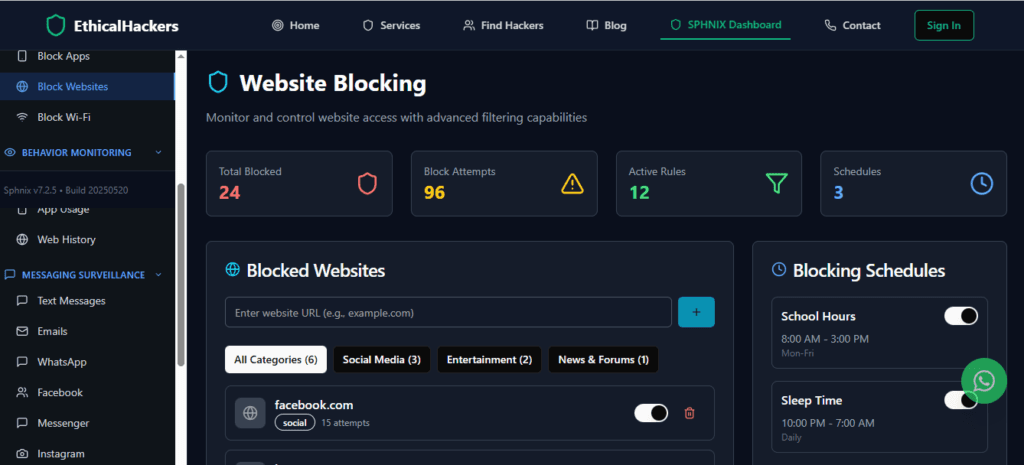
- Reported Core Features: According to its marketing, Sphnix can track calls (including logs and recording), monitor text messages and social media activity, and track GPS location in real-time. It is designed to operate in a hidden, stealth mode.
- Primary Legal Use Case: While features are described, its promotion often skirts ethical lines. It is not a mainstream parental control app but a surveillance tool that carries significant legal risk if misused.
- Key Consideration: Articles discussing Sphnix strongly associate it with unauthorized hacking and emphasize the severe legal consequences of using such tools to spy on someone without their knowledge.
Eyezy – Parental Control App
Eyezy is explicitly presented as a parental control solution focused on monitoring a child’s digital conversations and location.

- Reported Core Features: Eyezy specializes in conversation monitoring. It tracks SMS texts and messages across a wide array of social media and chat apps like WhatsApp, Snapchat, Instagram, and Messenger. It also includes GPS location tracking, geofencing alerts, and a screen recorder feature that captures what is happening on the device’s screen.
- Primary Legal Use Case: Designed solely for parents to protect their underage children. Independent reviews note it is more focused on “overbearing surveillance” than teaching healthy digital habits and lacks features like screen time management.
- Key Consideration: User reviews on platforms like Trustpilot indicate that while some parents find value in its monitoring features, others report a rocky installation process and that some advertised features can be difficult to access or may not work as expected.
Spynger
Specific, verifiable details on Spynger’s feature set are less clear from available sources. Promotional material suggests it is a surveillance solution marketed for discreet monitoring.

- Reported Core Features: Based on its marketing, it claims to offer remote monitoring capabilities with a user-friendly interface and comprehensive analytics.
- Primary Legal Use Case: Marketed towards individuals seeking surveillance solutions, which raises immediate red flags regarding its use in personal relationships without consent.
- Key Consideration: The information available is primarily from promotional pages, not independent reviews or technical analyses. You should exercise extreme caution and assume that using it to spy on an adult without consent is illegal.
The Severe Consequences of Choosing Covert Surveillance
Choosing to spy carries catastrophic risks that far outweigh any temporary satisfaction of curiosity.
- Legal Prosecution: You could face criminal charges, a permanent record, and civil lawsuits for invasion of privacy.
- Inevitable Relationship Collapse: Discovery is likely. When he finds out, the betrayal of trust is typically unforgivable and ends the relationship in the worst possible way.
- Financial and Personal Scams: The surveillance tool market is riddled with fraud. You could lose money to software that doesn’t work or, worse, download malware that steals your own personal and financial information.
- Moral Injury: Engaging in such a profound deception can damage your own self-respect and trap you in a cycle of anxiety and paranoia.
The Healthier Path: From Suspicion to Resolution
If your doubts are this powerful, the core issue is a crisis of trust that technology cannot fix. A technical solution only addresses a symptom, not the disease. Here is a more constructive and courageous path:
- Self-Reflection: Spend time identifying the source of your suspicion. Is it based on specific, observable changes in his behavior, or is it fueled by your own insecurities or past relationship trauma? Understanding this is the first step.
- Direct, Honest Communication: This is the hardest but only healthy way forward. Choose a calm, private time. Use “I feel” statements: “I’ve been feeling insecure and disconnected in our relationship lately, and it’s really worrying me. I care about us, and I need to talk about what’s going on.” This focuses on your feelings and opens a dialogue instead of launching an attack.
- Seek Professional Help: If you cannot communicate effectively, a licensed couples counselor can provide a neutral, guided space to address underlying issues. This is an investment in the health of the relationship, whether it continues or not.
- Evaluate the Foundation: If the trust is so broken that secret spying seems like the only option, it may be time to honestly ask if the relationship is sustainable. It is braver to end a partnership founded on mistrust than to poison it with surveillance.
When Professional Cybersecurity Services Are Actually Appropriate
You may wonder about services like SpyWizards. As a professional ethical hacking firm, we operate in a completely different, legal, and ethical realm. Our work involves:
- Authorized Digital Forensics: Legally recovering data for court cases or internal corporate invest How to See Whoigations.
- Security Audits: Testing a company’s cyber defenses with their full permission.
- Defensive Services: Helping individuals and businesses secure their systems against unauthorized surveillance, hacking, and stalkerware.
We defend privacy and security; we do not violate it for personal relationships. If you are concerned you are being monitored, those are the kinds of services we provide to help you regain safety and control.
Conclusion: Choose Honesty Over Espionage
The question of who is my boyfriend texting leads to a crossroads. One path involves dangerous technology, legal risk, and almost certain relational ruin. The other path involves courage, communication, and clarity.
The apps that exist—like Sphnix, Eyezy, and Spynger—are designed for legal oversight, not for spying on an adult partner. Using them otherwise is an abuse of their function and a violation of a person’s fundamental right to privacy.
True peace of mind cannot be stolen through a hidden app. It is built through honesty or revealed through difficult conversations. Invest your energy in addressing the root of your doubt directly. Whether the outcome is a stronger, more transparent relationship or a painful but clean ending, you will have acted with integrity. That integrity is the only solid foundation for any future happiness.
Frequently Asked Questions (FAQs)
Q1: What if I’m just worried about his safety or that he’s being scammed?
Genuine safety concerns are best addressed through partnership, not surveillance. Have a conversation from a place of care: “I’ve been hearing about a lot of online scams targeting people, and I just want to make sure you’re being safe. Can we talk about how we both stay vigilant?” This builds a team dynamic rather than a detective-suspect one.
Q2: If he’s cheating, doesn’t that justify finding out the truth by any means?
While the pain of betrayal is real, the law does not recognize it as a defense for computer crimes. Evidence gathered illegally is also typically inadmissible and would not help you. Suspicion, however strong, warrants a direct conversation or a decision about the relationship’s future, not a crime that could leave you with legal consequences.
Q3: What are the signs that my own phone might have spyware on it?
Be alert to sudden, unexplained changes: very rapid battery drain, the device feeling warm when not in use, unusual lag or slow performance, unexpected spikes in mobile data usage, or strange background noises during calls. If you suspect you are being monitored, do not confront the person; instead, seek help from a cybersecurity professional to diagnose and remove the threat safely.