
The thought, “I need to track my husband text messages,” often comes from a place of deep anxiety and suspicion. That gnawing feeling that something is being hidden can push anyone to seek answers. Technologically speaking, software exists that can provide extensive access to a smartphone’s activity, from text messages to social media and location.
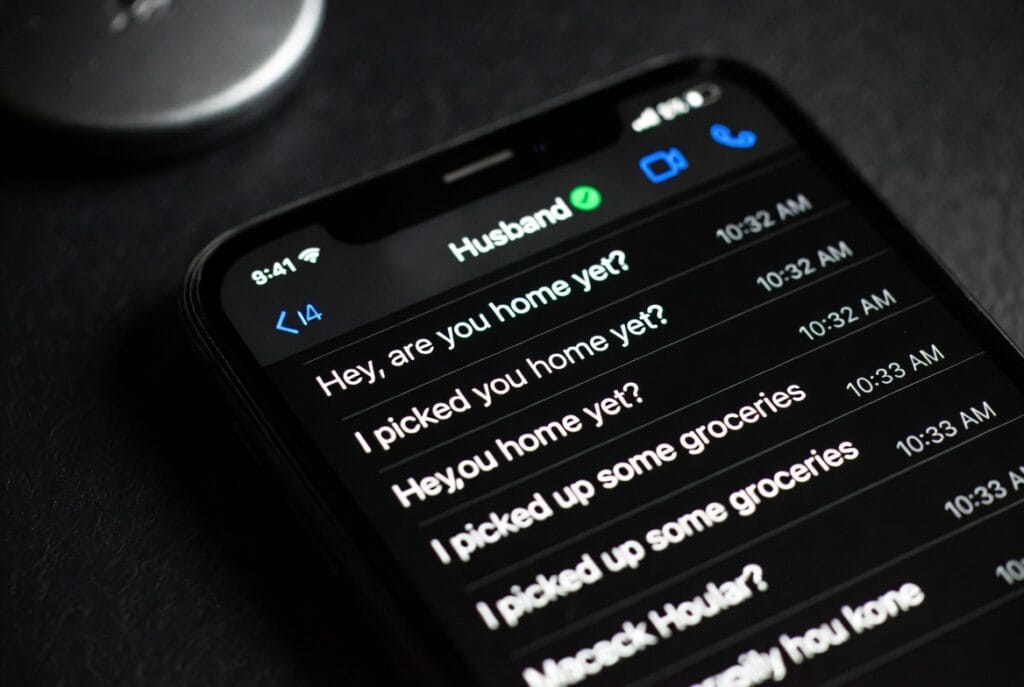
However, what is often missing from the marketing promises is a frank discussion about the serious legal consequences, ethical breaches, and personal risks involved. With extensive experience in digital security, I will provide a clear-eyed view of how this technology works, compare specific applications, and outline the critical legal boundaries you must understand before proceeding.
How Phone Monitoring Technology Actually Works
Modern monitoring apps function as hidden software installed on a target device. They are not magic; they require specific access and work by logging data, which is then sent to a private online dashboard. For Android devices, this almost always requires one-time physical access to install the application directly. You typically need the device for 5-10 minutes to complete the setup. Once installed, the app operates in stealth mode, meaning it hides its icon and runs invisibly in the background, collecting data such as SMS texts, call logs, app usage, and GPS location.
For iPhones, the process is different due to Apple’s stricter security. The most common method uses iCloud backup access. If you have the target iPhone’s iCloud Apple ID and password, some apps can extract data like messages, call logs, and location from the device’s backups to the cloud. It’s crucial to understand that for the most invasive features on iPhones—such as monitoring certain social media apps—a jailbreak may be required, which voids the warranty and compromises device security.
A Technical Analysis of Monitoring Applications
The market includes various apps marketed for “parental control” or “device security.” When used as intended—for monitoring minors on devices you own—they are powerful tools. Using them to secretly monitor another adult’s phone is illegal. The following is an objective analysis of the technical capabilities of the apps you’ve asked about.
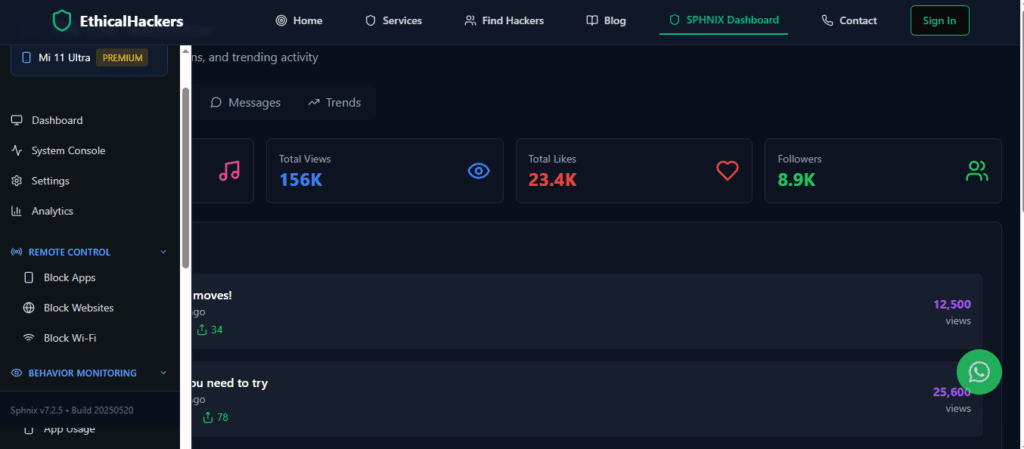
Sphnix Tracking App
Sphnix is presented as a comprehensive tracking suite. Like similar tools, it is designed to gather communications and location data while remaining hidden on the target device. Potential users should be aware that the features and reliability of lesser-known apps can be harder to verify through independent, long-term reviews.
Eyezy
Eyezy offers a wide array of monitoring features with an emphasis on social media and messaging app oversight. Its “Social Spotlight” feature targets chats on platforms like Snapchat and WhatsApp, while its “Keystroke Capture” (keylogger) can record typed input, potentially recovering deleted message drafts. The company emphasizes ease of use with a guided installation process.

Spynger
Spynger is explicitly marketed as a tool “to catch a cheater,” promoting features like reading social media chats and checking texts, including deleted messages. However, independent analysis and user reviews raise substantial red flags. Critiques note that the app may not work as advertised, with reports of it failing to sync current data, showing incorrect locations, and causing noticeable battery drain on the target phone—which can reveal its presence. There are also multiple complaints about difficult subscription cancellations and unauthorized charges.
The Legal Framework: A Serious Warning
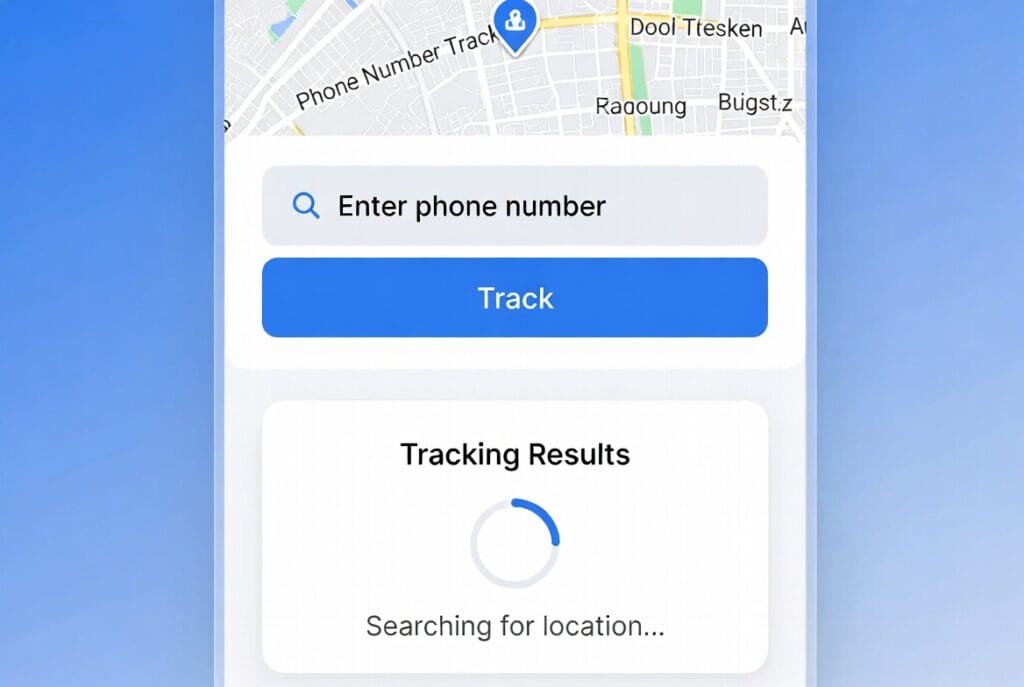
This is the most critical section. Regardless of your personal situation, the law in most countries, including the United States, is unambiguous. Installing monitoring software on a device you do not own, or without the explicit, informed consent of the device’s owner, is a crime.
This action typically violates laws like the Electronic Communications Privacy Act (ECPA), which criminalizes the interception of electronic communications. The potential consequences are severe:
- Criminal Charges: You could face prosecution for computer fraud or unlawful surveillance.
- Civil Lawsuits: The person you monitored can sue you for invasion of privacy, with potential for significant financial damages.
- Negative Impact in Legal Proceedings: In divorce cases, evidence gathered illegally is usually inadmissible and may be viewed unfavorably by a judge.
The only generally accepted legal uses are: 1) Monitoring devices you own that are used by your minor children, and 2) Monitoring company-owned devices issued to employees with prior notice and consent as part of company policy.
Technical and Practical Challenges
Beyond legality, there are significant practical hurdles. Modern communication often happens on encrypted messaging apps like WhatsApp, Signal, and Telegram. These use end-to-end encryption, meaning messages are scrambled and can only be read on the sender’s and recipient’s devices. No monitoring app can break this encryption. They can only capture this data by logging keystrokes or screen activity after the message is decrypted on the device, which is an imperfect method.
Furthermore, claims of “100% undetectability” are often exaggerated. Monitoring apps can cause increased battery drain, higher data usage, or device overheating, which may alert a tech-savvy user. Physical installation also carries the risk of being caught in the act.
The Severe Risks and Consequences
Choosing to illegally monitor your spouse can backfire catastrophically:
- Legal Repercussions: As outlined above, the legal penalties can be life-altering.
- Total Relationship Breakdown: The violation of trust from secret surveillance is often impossible to repair, typically guaranteeing the end of the relationship.
- Financial Loss: Combine legal fines, civil lawsuit damages, and the cost of the monitoring subscription.
- Security Risks: You are entrusting highly sensitive data to a third-party company. The industry has a history of data breaches, potentially exposing the very information you collected.
Ethical and Healthy Alternatives
If you feel compelled to track your husband text messages, it signals a profound crisis of trust that technology cannot fix. These are human problems requiring human solutions:
- Open Communication: Have a direct, calm conversation about your concerns. Use “I feel” statements rather than accusations.
- Seek Professional Counseling: A licensed marriage and family therapist can provide a safe, neutral space to address suspicions and rebuild communication.
- Consult a Legal Professional: If you are considering separation, a lawyer can advise you on legal methods for discovery that are admissible in court.
Conclusion
While applications like Sphnix, Eyezy, and Spynger demonstrate the technical capability to monitor a phone, using them to secretly track your husband text messages is an illegal act that violates privacy laws and will likely destroy your relationship. The anxiety driving your search is better addressed through honest communication or professional counseling, not through an action that creates far greater legal and personal problems. Choosing the ethical path is the only way to find a resolution that doesn’t compound your pain with serious consequences.
For expert consultation on digital security and ethical investigation within legal boundaries, consider reaching out to a professional.
Frequently Asked Questions (FAQs)
1. Can these apps really recover deleted text messages?
They can sometimes recover messages if the data was captured and synced to the dashboard before it was deleted on the device. Some apps use keyloggers to record typed words, which might include drafts of messages that were later erased. However, there is no guarantee, and this should not be considered a reliable feature.
2. Will the person know the app is installed on their phone?
While apps are designed to be hidden, they are not perfectly undetectable. Common signs include rapid battery drain, the device feeling warm, increased data usage, or unexplained background processes. A factory reset will remove most monitoring software.
3. Is it legal if I own the phone or pay the phone bill?
In most jurisdictions, ownership of the device or the account does not grant the legal right to secretly monitor another adult user. The key factor is the user’s reasonable expectation of privacy. If it is understood to be their personal device, installing spyware without their consent is typically still illegal. Always consult with a legal professional in your area to understand specific laws.