
The Truth About Spying on Your Girlfriend’s Text Messages
The thought has crossed your mind. That nagging doubt, that seed of suspicion that makes you wonder what’s really going on in your girlfrien How to Tell Ifd’s private conversations. You might have even typed the search term “spy on your girlfriends text messages free” looking for a quick answer. As someone who has worked in digital security and ethics for over ten years, I need to be direct with you: the path you’re considering is not only a potential relationship-ender but also a serious legal offense.
Updated February 2026

This article won’t give you a secret hack to invade someone’s privacy. Instead, it will explain the harsh reality of why “free spying” is a dangerous myth, the severe legal consequences you face, and—most importantly—the healthy, ethical alternatives for addressing your concerns. If you’re driven by fear or suspicion, the solution isn’t better spyware; it’s better communication.
The Legal Minefield: Why It’s Not Just Wrong, It’s Illegal
Before we discuss a single app, you must understand the legal framework. In the United States, Canada, the United Kingdom, Australia, and most other countries, secretly intercepting someone else’s private electronic communications is a crime.
- The Computer Fraud and Abuse Act (CFAA) in the U.S. and similar laws globally criminalize unauthorized access to digital devices and data.
- Wiretapping Laws make it illegal to intercept messages without the consent of at least one party to the conversation (in “one-party consent” states) or all parties (in “all-party consent” states).
The penalties are not trivial. They can include felony charges, substantial fines, and imprisonment. Furthermore, in a civil lawsuit for invasion of privacy, you could be liable for significant financial damages. Simply owning the phone or paying the bill does not grant you legal authority to monitor her private messages without her knowledge and consent.
The “Free How to Track Spouse’s221; Spyware Trap: Myths and Dangers
Online searches are flooded with ads and websites promising free, undetectable ways to spy on text messages. These are almost universally scams or malware.
- Data Theft: These “free” services often require you to input your own personal information or download software that is itself spyware, designed to steal your passwords, banking details, and identity.
- Financial Scams: They may lure you in with a free trial but then require hefty subscriptions, charge hidden fees to your credit card, or simply take your money and provide nothing.
- Technical Impossibility: Modern smartphones, especially iPhones, have robust security. There is no magical app that can remotely and secretly access another person’s text messages without their knowledge. Any claim otherwise is false.
Pursuing this route will likely result in you being the victim—of fraud, identity theft, or legal prosecution—not the master spy you imagine.
Understanding The Hard Truth About How Monitoring Technology Actually Works (Legally)
For context, legitimate monitoring software does exist, but it operates under strict legal conditions. These apps are designed for parental control of minors or employer monitoring of company-owned devices with employee notification.
They work by requiring physical access to the target device for installation. Once installed, they run in stealth mode and relay data like texts, calls, and locations to a private online dashboard. Their key features illustrate the depth of access possible, but also the prerequisites:
App Overview: Sphnix Tracking App
Sphnix is a monitoring suite that provides a range of surveillance features once installed on a target device.
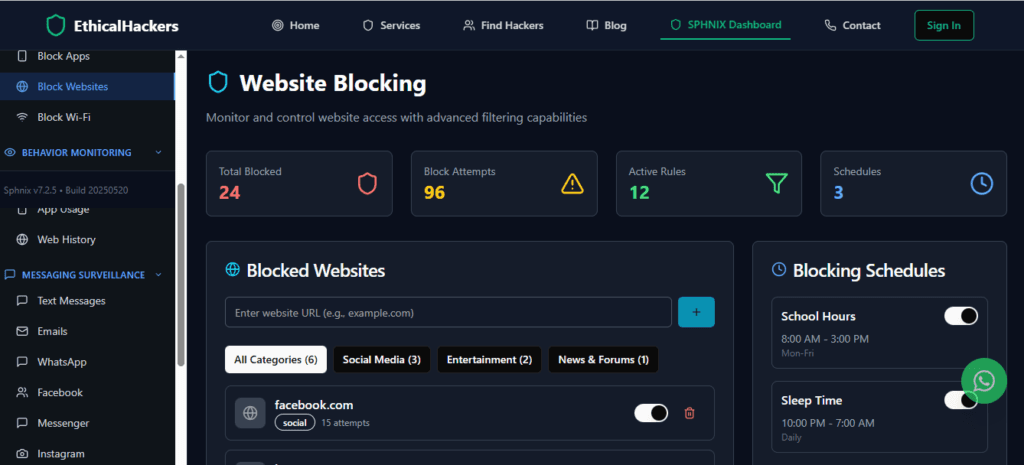
- Key Features: Tracks text messages (SMS), call logs, GPS location, and browsing history. May also monitor some social media apps.
- Legal Use Case: Exclusively for parents monitoring their underage children or for monitoring a device you own with the user’s prior consent.
App Overview: Eyezy
Eyezy is marketed as a comprehensive parental control solution that emphasizes monitoring a wide array of device activities.

- Key Features: Monitors text messages, iMessages, and chats on social platforms like WhatsApp, Snapchat, and Facebook. Includes a keylogger, location tracking, and a feature to review saved photos and videos.
- Legal Use Case: Designed for parental oversight to protect children from online dangers.
App Overview: Spynger
Spynger positions itself as a discrete monitoring tool for gathering detailed information from a smartphone.
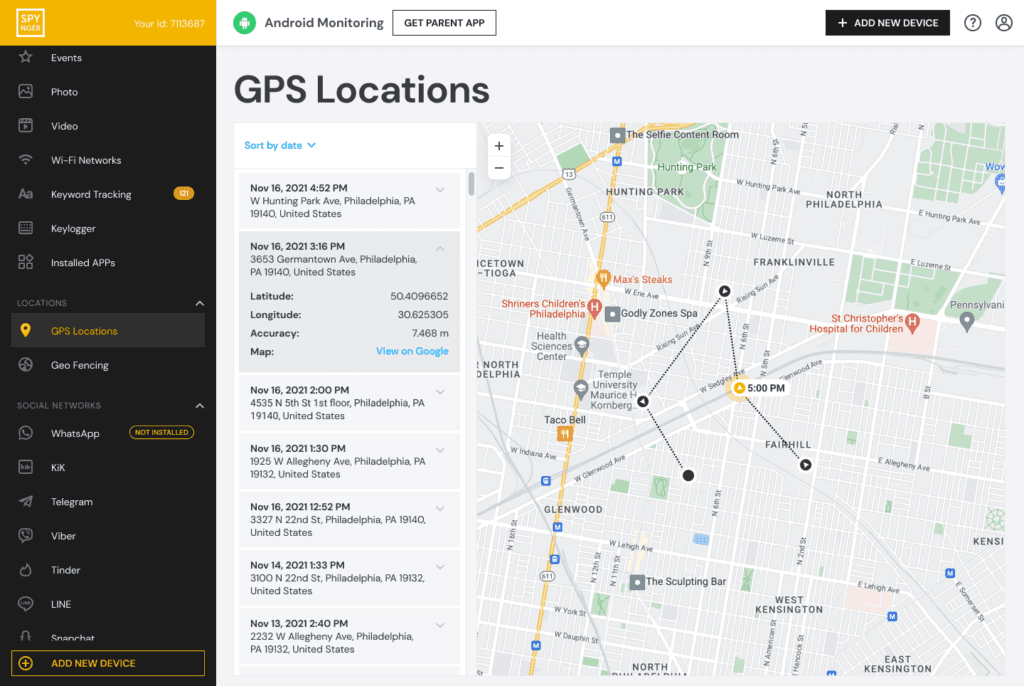
- Key Features: Focuses on tracking text messages, call history, emails, and real-time GPS location. Often highlights its stealth mode operation.
- Legal Use Case: Intended for legal monitoring scenarios where the installer has a right to oversee device usage.
Crucially, using any of these tools to secretly monitor an adult partner without their consent is a direct violation of their terms of service and the law.
The Ethical Alternative: Addressing Distrust with Communication
If your suspicion is strong enough to consider spying, your relationship already has a serious problem: a profound lack of trust and communication. Spying will not fix this; it will only poison it further when (not if) you are discovered.
Here is a more ethical, constructive path forward:
- Reflect on Your Feelings: Where is this suspicion coming from? Is it based on concrete, observable changes in behavior, or your own insecurities?
- Initiate an Honest Conversation: Choose a calm, private moment. Use “I feel” statements instead of accusations. For example: “I’ve been feeling insecure lately and noticed we’ve been distant. Can we talk about how we’re both feeling?“
- Consider Relationship Counseling: A professional therapist can provide a neutral space to explore these trust issues safely and productively. It is a sign of strength, not weakness, to seek help.
A relationship built on secret surveillance is a prison, not a partnership. The goal should be to build a foundation so strong that the thought of spying never crosses your mind.
When Professional Services Are Actually Appropriate
You may wonder why services like ours exist if not for personal surveillance. Professional ethical hacking firms serve critical, legitimate purposes:
- Corporate Investigations: Investigating data leaks or employee misconduct on company-owned systems.
- Digital Forensics: Recovering data after a hack or providing evidence for legal cases.
- Security Audits: Testing the strength of a company’s digital defenses with explicit permission.
- Account Recovery: Helping individuals legally regain access to their own compromised accounts.
These services operate under strict legal contracts and ethical guidelines. They are not a tool for personal relationships.
Conclusion: Choose Trust, Not Treachery
The desire to spy on your girlfriends text messages free is a symptom of a deeper issue that technology cannot solve. The illegal methods are scams, and the legal methods will destroy your relationship and potentially your freedom if misused. Investing in spyware is a waste of money that would be better spent on a thoughtful date or a session with a couples counselor.
True security in a relationship doesn’t come from having access to her phone; it comes from having open lines of communication, mutual respect, and established trust. Choose the harder but honorable path of conversation. It is the only path that leads to a healthier relationship, whether you stay together or part ways.
Frequently Asked Questions (FAQs)
Q1: What if I just want to make sure my girlfriend is safe, not spy on her?
Safety and surveillance are different. If your concern is genuine safety (e.g., she’s walking home late), discuss sharing locations voluntarily using built-in, consensual features like Apple’s Find My or Google Location Sharing. This requires her agreement and participation, which is the ethical foundation.
Q2: Isn’t it okay if I just have a feeling she’s cheating?
A feeling is not legal justification. If you have concrete evidence of infidelity, address it directly through conversation or seek personal legal advice about your rights. Secretly gathering digital “evidence” through illegal monitoring will likely be inadmissible in court and used against you.
Q3: Are there any signs that my own phone might be infected with spyware?
Yes. Be wary of a partner who insists on unusual access to your phone, knows details of private conversations they shouldn’t, or if your phone shows signs like rapidly draining battery, getting hot when not in use, strange background noises on calls, or unexpected data usage. If you suspect this, consult a professional digital security expert.