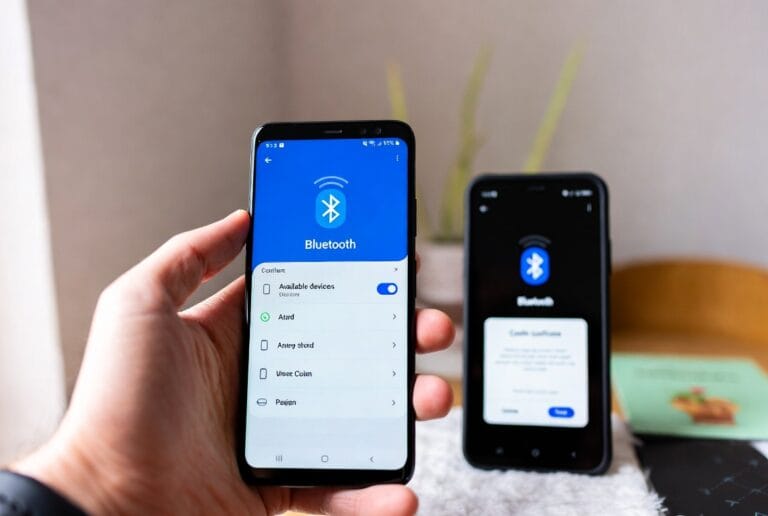

Husband Uses Private Browsing: What It Means and How to Find Clarity
You notice your husband quickly switching screens when you walk by. His browser history is mysteriously empty, and he seems unusually protective of his phone. When you ask about it, he says he was “just checking the news” in private mode. That cold, sinking feeling in your stomach is trust turning to doubt. If your husband uses private browsing regularly, it’s natural to wonder what he’s hiding and why secrecy has entered your marriage.
Updated February 2026

This guide, informed by a decade of experience in relationship dynamics and digital transparency, will help you understand the implications, identify other warning signs, and explain the legitimate tools available if you decide to seek the truth.
Understanding Private Browsing and Its Implications
Private browsing, often called “Incognito Mode” in Chrome or “Private Window” in Safari, is a standard feature on all modern browsers. Its legitimate purpose is to prevent your browsing history, cookies, and form data from being saved locally on that device. People use it for sensitive searches, like medical symptoms or gift shopping for a partner.
However, within a relationship, the consistent use of private browsing shifts from a privacy tool to a secrecy tool. It becomes a deliberate method to leave no digital trail. When combined with other secretive behaviors—guarding the phone, new passwords, or emotional distance—it transforms from a benign habit into a significant red flag. In an age where over 350 million people use dating apps worldwide and platforms facilitate private connections, this digital secrecy often points to activities a partner wants to conceal.
Behavioral and Digital Signs to Watch For
Before jumping to conclusions, look at the broader pattern. A one-time use of private browsing is different from a habit of secrecy. Here are key signs that often accompany concerning private browsing use:
- Increased Secrecy: He takes his phone everywhere, even to the bathroom. He angles the screen away from you and reacts defensively to innocent questions about his day.
- Emotional Distance: You feel a growing gap. Conversations are superficial, intimacy has faded, and he seems preoccupied or irritable, especially when not on his device.
- Digital Cleanliness: Not only is the browser history cleared, but you might also find dating apps hidden in disguised folders or secondary app stores. Check for app names that seem innocent, like “Calculator” or “Audio Manager,” which can be vault apps for hiding photos and messages.
- Financial Clues: Unexplained charges on credit card statements or PayPal for dating app subscriptions (Tinder, Bumble, Hinge) are a major red flag. Tinder alone generates billions in revenue, showing how many people invest in these services.
First Steps: Observation and Legitimate Access
If you’re concerned, start with ethical and legal methods that don’t require special software.
- Check Shared Accounts: Review the billing statements for your shared family phone plan. While they won’t show content, they list phone numbers for calls and texts, which can reveal frequent contact with unknown numbers.
- Observe Device Behavior: Notice when and where he uses his phone. Is it late at night after you’ve gone to bed? Does he immediately close apps when you enter the room? This behavioral data is often telling.
- Look for Physical Evidence: People sometimes forget to log out. If you have legitimate access to a shared computer or tablet he might use, check if any social media or email accounts are still signed in.
If these methods yield nothing but your suspicion grows stronger due to his evasive behavior, you may feel stuck. This is when some individuals consider more advanced monitoring solutions.
Evaluating Professional Monitoring Solutions
When direct observation fails and the emotional burden becomes too great, some turn to professional monitoring software. These applications can provide a clear picture of device activity, even if your husband uses private browsing.
A Critical Legal Note: It is vital to understand that in most jurisdictions, installing monitoring software on another adult’s personal device without their explicit consent is illegal. These tools are designed for legal use cases, such as parents monitoring minor children on devices they own. Always seek legal advice to understand the laws in your region. The following analysis assumes a scenario where you have the legal right to monitor a device, such as one on a family plan you manage.
The market offers various apps with different strengths. The table below compares three leading options to help you understand their core capabilities.
| Feature / App | Sphnix Tracking App | Eyezy | Spynger |
|---|---|---|---|
| Core Purpose | Comprehensive surveillance & data tracking. | User-friendly monitoring with a focus on social media. | Discreet monitoring and location tracking. |
| Key Strength | Broad data capture (calls, messages, GPS, social media). | Intuitive dashboard and detailed social app insights. | Effective stealth operation and real-time location. |
| Private Browsing Bypass | Tracks browsing activity in real-time before it’s hidden. | Logs visited URLs and searches as they happen. | Monitors browser usage and captures search terms. |
| Best For | Users who need the most extensive overview of all device activity. | Those prioritizing social media and communication monitoring. | Individuals focusing on location history and discreet operation. |
1. Sphnix Tracking App
Sphnix is a powerful, all-in-one monitoring suite. It is designed to run invisibly on the target device, recording a wide range of data and sending it to a secure online dashboard you control. Its advantage is comprehensiveness; it doesn’t just track one type of activity but aims to give you a complete picture of how the device is being used, filling in the blanks left by private browsing.
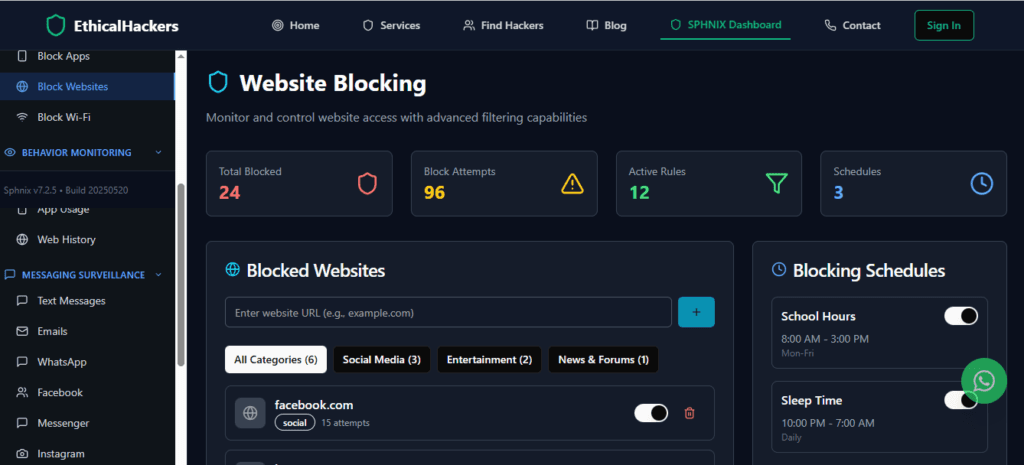
For a detailed look at its comprehensive monitoring features, visit the official Sphnix website.
2. Eyezy
Eyezy positions itself as a more user-friendly and accessible monitoring solution. It provides robust social media tracking across popular platforms, which is crucial as many private interactions happen on apps like WhatsApp, Snapchat, and Instagram. Its dashboard is designed for clarity, making it easier to see communication patterns and media sharing, which can be the modern equivalent of a secret browsing history.

To explore a user-friendly app with strong social media insights, consider Eyezy.
3. Spynger
Spynger focuses on reliability and discretion. It offers strong location-tracking features, including geofencing alerts that notify you if the device enters or leaves a specified area. This can provide contextual information about his whereabouts that may correlate with secretive online behavior. Its operation is designed to be undetectable, which is a primary concern for users.
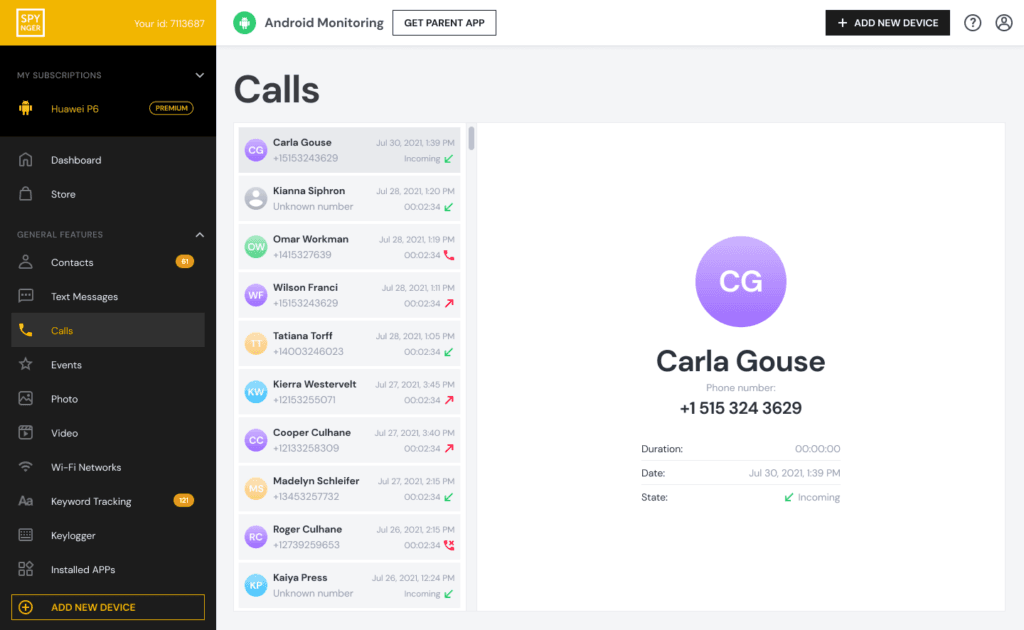
For reliable location tracking and discreet operation, investigate Spynger.
Confrontation, Communication, and Next Steps
Discovering evidence through observation or software is only the first step. How you proceed will determine the future of your relationship.
- Stay Calm and Document: Before any confrontation, ensure you have your evidence organized. Screenshots, logs, or a timeline can help you avoid a confusing “he said, she said” argument.
- Choose the Right Time and Place: Have this conversation in private, when you have time and won’t be interrupted. Do not confront him in anger or publicly.
- Use “I” Statements: Frame the discussion around your feelings and observations. Say “I have been feeling very disconnected and noticed you always use private browsing, which worries me,” instead of “You are hiding things from me.”
- Seek Professional Help: This is the most critical step. Whether you are dealing with broken trust or the end of the relationship, a licensed couples therapist or individual counselor can provide essential support. Research indicates that conflicts over digital secrecy and social media are a leading cause of modern marital strain. A professional can help you navigate repair or resolution.
Conclusion
Realizing your husband uses private browsing as a tool for secrecy is a painful crossroads. It represents a breach of digital transparency that can erode the foundation of trust in a marriage. While tools like Sphnix, Eyezy, and Spynger exist to uncover hidden truths, they must be considered within strict legal and ethical frameworks. The path forward begins with acknowledging your feelings, gathering information carefully, and prioritizing open, honest communication. Whether the goal is to rebuild a stronger marriage or to find the courage to move on, the truth—however difficult—is the necessary first step toward reclaiming your peace of mind.
You deserve honesty and peace in your relationship. For professional guidance in uncovering the digital truth, take the step toward clarity today.
Hire a Hacker
Frequently Asked Questions (FAQs)
Can monitoring apps really see what someone does in private browsing mode?
Yes, advanced monitoring apps can. Private browsing only prevents data from being saved on the device itself. Professional monitoring software works by recording activity in real-time—logging keystrokes, capturing screenshots, or tracking network data—as it happens and then sending that information to a remote dashboard. This means they can see the activity before the private browser can hide it.
Is it illegal to install tracking software on my spouse’s phone?
In most U.S. states and many countries, it is illegal to install monitoring software on another adult’s smartphone without their knowledge and consent. These are serious laws against unauthorized electronic surveillance. Legal use is typically restricted to parents monitoring devices they own for their minor children. You must check your local laws and consider consulting with a legal professional.
What should I do if I find proof of cheating?
Prioritize your emotional and physical safety first. Then, consider seeking support from a therapist or trusted confidant. If you decide to confront your spouse, do so calmly with the evidence. It is also advisable to consult with a family law attorney to understand your rights and options, especially if you are considering separation or divorce. Evidence obtained illegally may not be admissible in court.