
When trust in a relationship begins to fray, questions often outnumber answers. In today’s digitally-connected world, the desire to track spouse’s phone has become a common yet complicated response to suspicions of infidelity or dishonesty. With over a decade of experience in cybersecurity and digital investigations, I’ve guided countless individuals through this emotionally-charged territory. This comprehensive guide examines the realities of phone monitoring between spouses: what’s technologically possible, what’s legally permissible, and what’s ethically defensible.

Whether you’re grappling with genuine concerns about betrayal or struggling with insecurity, understanding the complete picture is essential before you make decisions that could permanently alter your relationship.
The Legal Framework: What You Can and Cannot Do
Before considering any form of phone monitoring, you must understand the legal boundaries that govern digital privacy in relationships. The Electronic Communications Privacy Act (ECPA) and similar state laws generally prohibit intercepting electronic communications without consent from at least one party involved in the communication. Between spouses, the legal situation becomes murkier, with courts sometimes making exceptions for jointly-owned devices but generally upholding individual privacy rights.
Key legal considerations include:
- Ownership vs. Privacy Rights: Even if you pay for the phone service or purchased the device, your spouse likely maintains a reasonable expectation of privacy regarding their personal communications.
- Jurisdictional Variations: Laws differ significantly by state and country. Some states require all-party consent for monitoring, while others require only one-party consent.
- Consequences of Illegal Monitoring: Evidence obtained through unauthorized surveillance is generally inadmissible in court and could result in criminal charges or civil liability.
- Marital Home Exception: Some courts have recognized limited exceptions for recording in shared marital homes, but this doesn’t typically extend to digital communications.
The safest legal approach is to obtain explicit consent before monitoring any device. When this isn’t possible, consulting with a family law attorney familiar with your jurisdiction’s specific regulations is strongly recommended.
Technological Solutions for Phone Monitoring
Several technological approaches exist for those who have decided to proceed with phone monitoring. The effectiveness, detectability, and features vary significantly between different solutions.
Sphinx Tracking App: Comprehensive Monitoring Solution
Sphinx Tracking App provides one of the most comprehensive monitoring suites available. Once properly installed on the target device, it offers extensive tracking capabilities including real-time GPS location, geofencing alerts, text message monitoring (including deleted messages), social media tracking across multiple platforms, and access to multimedia files.
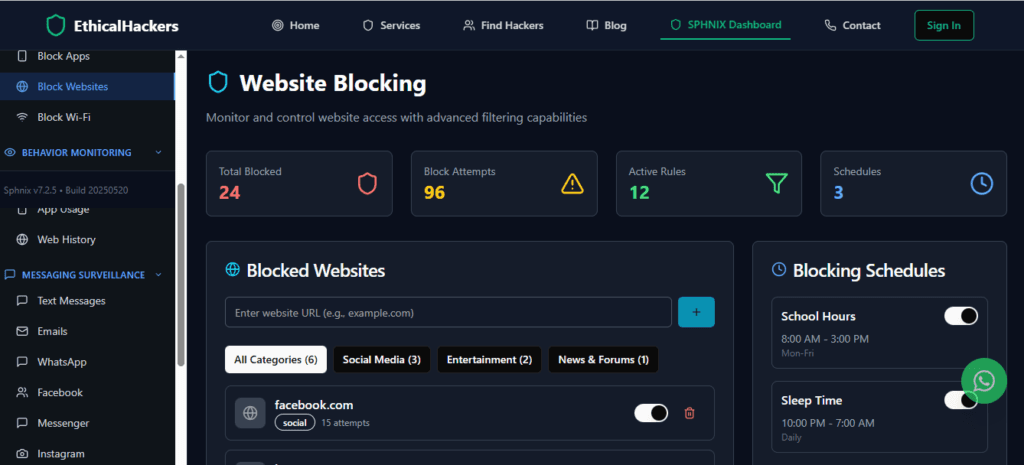
Key features include:
- Real-Time Location Tracking: View current location and historical movement patterns with detailed maps and timestamps
- Social Media Monitoring: Track conversations across WhatsApp, Facebook Messenger, Instagram, Snapchat, and other platforms
- Call Logs and Recording: Access complete call histories with optional recording capabilities
- Stealth Operation: Runs invisibly in the background without draining noticeable battery life
- Remote Control Panel: Access all data through a secure online dashboard from any device
mSpy: User-Friendly Monitoring Platform
mSpy has established itself as one of the most popular monitoring applications with an intuitive interface and reliable performance. Beyond basic tracking features, it offers specialized tools like keyword alerts that notify you when specific words or phrases appear in communications, and application blocking capabilities.

Notable advantages:
- Cross-Platform Compatibility: Works seamlessly on both iOS and Android devices with different installation requirements for each
- Comprehensive Reporting: Generates detailed activity reports that highlight unusual patterns or concerning behaviors
- Remote Installation Options: For iOS devices, installation often only requires iCloud credentials rather than physical access to the device
- 24/7 Customer Support: Professional assistance available throughout installation and use
- Regular Updates: Continuously updated to work with the latest operating systems and applications
Parentaler: Family-Focused Monitoring
While marketed primarily toward parents, Parentaler offers robust features applicable to relationship monitoring situations. Its clean dashboard presents information clearly, emphasizing potential concerns and simplifying the review process for less technically-inclined users.

Standout features include:
- Behavioral Alerts: Notifications for concerning patterns like late-night activity or visits to unusual locations
- Content Filtering: Ability to block inappropriate websites or applications remotely
- Time Management Tools: Schedule device usage restrictions during specific hours
- Multilingual Support: Available in multiple languages with region-specific customer service
- Battery-Friendly Operation: Optimized to minimize impact on device performance and battery life
Ethical Considerations in Marital Monitoring
Beyond legal restrictions, significant ethical questions surround tracking a spouse’s phone. The decision to monitor a partner’s device represents a fundamental shift in relationship dynamics that typically causes permanent damage to trust, regardless of what the monitoring reveals.
Consider these ethical perspectives:
- The Slippery Slope of Surveillance: Once monitoring begins, it often expands beyond the original justification, creating a pattern of control rather than addressing specific concerns.
- Consent and Autonomy: Ethical relationships respect individual autonomy. Secret monitoring violates this principle, treating your partner as someone to be managed rather than an equal.
- Alternative Approaches: Professional counseling, mediated conversations, or trial separations often address relationship issues more effectively than surveillance.
- Self-Reflection: Examine whether your desire to track stems from genuine evidence of wrongdoing or from personal insecurities that might be better addressed through individual therapy.
- Proportionality: Is your response proportional to the concern? Occasional suspicious behavior might warrant conversation, while evidence of dangerous activities could justify stronger measures.
Many relationship experts note that the discovery of monitoring often causes more relationship damage than the original suspicions. Even when infidelity is confirmed, the secret surveillance frequently becomes a secondary betrayal that complicates healing.
Practical Implementation and Technical Considerations
If you’ve carefully weighed the legal and ethical considerations and decided to proceed with monitoring, proper implementation is crucial for effectiveness while minimizing risks.
Installation Requirements:
- Android Devices: Typically require physical access to install monitoring applications, with permissions that must be manually granted during setup
- iOS Devices: Often require only iCloud credentials but may need physical access if two-factor authentication is enabled
- Compatibility Checks: Verify that the target device’s operating system version is supported before purchasing any monitoring software
- Update Considerations: Operating system updates may disable monitoring features, requiring reinstallation or adjustments
Operational Security:
- Regular but Discreet Monitoring: Checking too frequently from recognizable networks or at predictable times increases detection risk
- Data Management: Securely store accessed information, recognizing that it may become part of legal proceedings
- Behavioral Consistency: Maintain your normal patterns to avoid arousing suspicion during the monitoring period
- Exit Strategy: Determine in advance what evidence would justify confronting your spouse and how to transition from monitoring to addressing issues directly
Technical Limitations:
- Encrypted Applications: Some messaging platforms like Signal or WhatsApp with end-to-end encryption may show message existence without content
- Battery and Data Usage: Sophisticated users may notice unusual battery drain or data consumption from monitoring applications
- Security Software: Antivirus or security applications sometimes detect and flag monitoring software
- Physical Security: Biometric locks, regular password changes, or physical inspection of devices may reveal monitoring software
Professional Alternatives to DIY Monitoring
For those with serious concerns but reservations about personally conducting surveillance, professional services offer alternatives that may better balance effectiveness with legal compliance.
Professional Cybersecurity Marketplace
This platform connects clients with vetted cybersecurity professionals who operate within ethical and legal boundaries. Rather than providing tools for secret spying, these experts offer services like:
- Digital Forensics Consultations: Professional analysis of devices you legitimately own or have permission to examine
- Security Assessments: Evaluation of shared digital assets and recommendations for protecting sensitive information
- Educational Services: Teaching individuals how to recognize signs of compromise in their own devices
- Mediation Support: Providing neutral technical expertise in situations where both parties consent to examination
Spy Wizards: Ethical Digital Investigation Services
Spy Wizards represents a team of certified professionals specializing in legitimate digital investigations. Their services focus on:
- Asset Protection: Securing shared digital assets and financial accounts from potential compromise
- Consultation Services: Advising clients on appropriate, legal approaches to address digital concerns in relationships
- Evidence Preservation: Properly collecting and documenting digital evidence when legal grounds exist
- Expert Testimony: Providing professional analysis in legal proceedings where digital evidence is relevant
Conclusion: Navigating Relationship Concerns with Wisdom
The desire to track your spouse’s phone typically signals deeper relationship issues that technology alone cannot resolve. While monitoring applications offer powerful technical capabilities, their use between spouses without consent remains legally risky and often accelerates relationship breakdown rather than facilitating healing.
If you’re facing relationship doubts, consider beginning with open communication, possibly facilitated by a couples counselor or therapist. For situations involving genuine safety concerns or evidence of harmful behavior, consult with legal professionals who can guide you toward appropriate, lawful interventions. When technical expertise is needed, professional cybersecurity services can provide assistance within ethical boundaries.
Remember that healthy relationships are built on trust, respect, and communication—elements that surveillance often undermines. The temporary certainty gained through monitoring rarely justifies the permanent damage to relationship foundations. Whatever path you choose, proceed with careful consideration of both immediate concerns and long-term consequences.
Frequently Asked Questions
Can I legally install tracking software on a phone I own that my spouse uses?
Legal perspectives vary by jurisdiction, but generally, ownership of the device doesn’t automatically grant the right to monitor another adult’s private communications without consent. Courts typically balance property rights against reasonable expectations of privacy. Even if you purchased the phone and pay the service bill, your spouse may still maintain privacy rights regarding personal communications. The safest approach is to consult with a local attorney familiar with digital privacy laws in your specific area before proceeding with any monitoring.
How can I tell if my spouse is already tracking my phone?
Signs of potential monitoring include unusually rapid battery drainage, unexplained increases in data usage, device heating during idle periods, unfamiliar applications in your settings, or performance slowdowns. On Android devices, check for applications with permissions to access messages, location, or calls. On iOS, review which devices are connected to your iCloud account and check for unfamiliar profiles in Settings > General > Profiles & Device Management. Running security scans with reputable applications can sometimes detect monitoring software.
What should I do if I discover my spouse has been tracking my phone without consent?
First, ensure your immediate digital safety by changing passwords for important accounts, especially email and financial services. Document the evidence of monitoring through screenshots or photos. Consider consulting with an attorney to understand your legal options, which may include filing a police report or pursuing civil remedies. Relationship counseling can help address the breach of trust if you wish to repair the relationship. For immediate technical assistance, professional cybersecurity services can help secure your devices and accounts against unauthorized access.