
That cold knot of suspicion in your stomach is hard to ignore. You notice his phone is always face down, he’s suddenly protective of his privacy, and the emotional distance between you feels wider than ever. If you’re searching for how to tell if your boyfriend is cheating, you’re likely caught in a painful cycle of doubt and anxiety. This guide, informed by years of professional experience, will help you navigate this difficult situation.

We’ll explore the behavioral signs that warrant concern, critically examine the technological tools often turned to for answers, and provide a roadmap for seeking clarity without compromising your ethics or breaking the law.
Understanding the Behavioral Red Flags
Before jumping to conclusions or invasive methods, it’s important to objectively assess behavioral changes. Cheating often involves a pattern of actions, not just one isolated incident.
Common signs include a significant shift in digital behavior. This means his phone, which was once left casually on the table, is now permanently password-protected, taken everywhere (even to the bathroom), or angled away from your view. You might notice him quickly minimizing apps or switching screens when you approach.
Changes in routine and emotional intimacy are also telling. This can manifest as unexplained late nights at work, new hobbies that don’t involve you, or a sudden drop in physical and emotional closeness. He may become irritable, pick unnecessary fights, or seem detached from the relationship.
Finally, pay attention to gut feelings and intuition. While not proof, a persistent feeling that something is fundamentally wrong, especially when paired with observable changes in behavior, should not be dismissed. Your intuition is often picking up on subtle inconsistencies in his words and actions.
The Legal and Ethical Minefield of Spy Apps
When hurt and suspicion take over, it’s tempting to look for a technological shortcut to the truth. A quick search yields numerous apps marketed as solutions. However, using monitoring software on another adult’s device without their explicit knowledge and consent is a serious legal and ethical violation.
These applications are legally designed and intended for parental control of minor children or for employer monitoring of company-owned devices with employee consent. Using them to secretly surveil a romantic partner typically violates federal and state privacy laws, such as the Electronic Communications Privacy Act (ECPA), which protects against the unauthorized interception of communications.
Security experts and coalitions against digital abuse categorize such non-consensual surveillance tools as “stalkerware”. Installing this software on someone else’s phone can result in criminal charges or civil lawsuits for invasion of privacy. Furthermore, any evidence gathered this way is almost always inadmissible in any legal proceeding, making it a self-defeating strategy.
An Analysis of Common Monitoring Applications
To understand the landscape, it’s helpful to know what these apps claim to do. The following table compares the general advertised features of three applications often inquired about, with the critical understanding that their misuse for spousal or partner surveillance is illegal and unethical.
mSpy: A Powerful Tool with a Troubled History
mSpy is one of the most well-known monitoring applications, offering an extensive suite of features for tracking device activity. However, it is crucial to know that mSpy has suffered multiple data breaches, exposing sensitive customer data. Furthermore, its early marketing explicitly promoted catching unfaithful partners, a use case that experts now condemn as a form of stalking. Using it for this purpose carries significant legal risk.

Parentaler: Family-Focused Monitoring
Parentaler is advertised as a straightforward parental control solution, focusing on giving parents an overview of a child’s digital life for safety purposes. Online forums discussing Parentaler reveal that parents themselves grapple with the ethics of features like keyloggers, often concluding that transparency and trust-building are more effective than secret surveillance.

Professional Cybersecurity Marketplace
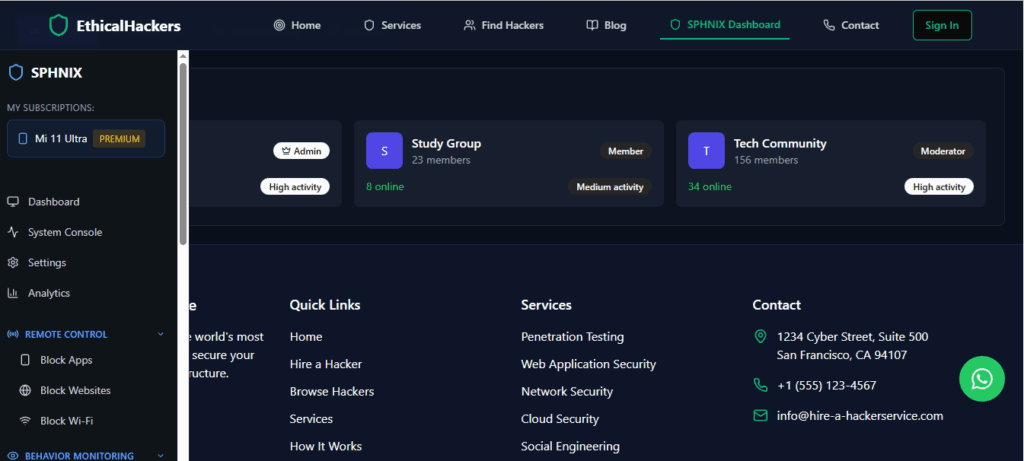
This link leads to a marketplace for professional cybersecurity experts, which is fundamentally different from consumer spyware. These professionals operate within legal frameworks—for example, conducting forensic analysis under the direction of an attorney. This is not a path to secret spying but a resource for legitimate, legal investigations.
The Real Cost: Emotional and Relational Damage
Beyond the legal jeopardy, secret surveillance almost guarantees further damage to your relationship and your own well-being.
- You Become the Deceiver: The act of spying means you are living with a major secret, engaging in the same breach of trust you suspect of him.
- It Erodes Any Foundation for Repair: If trust is ever to be rebuilt, it cannot start from a place of mutual violation. Discovering your surveillance often causes more immediate relational harm than the original infidelity.
- It Addresses Symptoms, Not Causes: Surveillance might answer “what is he doing?” but it will never answer “why is this happening in our relationship?” Those are the questions that matter for your future happiness, whether together or apart.
A Responsible Path Forward: Healthy Ways to Seek Clarity
If your suspicions are strong enough to consider illegal monitoring, they are serious enough to warrant healthy, constructive action. Follow these steps to protect your emotional and legal standing.
- Focus on Direct Observation and Documentation: Note patterns in behavior, schedules, and explanations without touching his devices. A private journal of factual observations (dates, times, specifics) can help you see patterns clearly and is perfectly legal.
- Initiate a Calm, Direct Conversation: Choose a quiet time and use “I feel” statements to express your concerns without accusation. For example, “I feel anxious and disconnected because we haven’t been spending much time together, and I’ve noticed you’re very private with your phone lately. Can we talk about it?”
- Seek Professional Support for Yourself: A therapist can be an invaluable resource to process your emotions, manage anxiety, and gain clarity on your needs and next steps. You don’t have to navigate this pain alone.
- Understand That Spying Avoids the Real Issue: A tracking app can show a location, but it cannot fix broken communication, resentment, or a lack of intimacy. Investing your energy in understanding the relationship’s health is more productive than investing in surveillance.
Conclusion: Choose Communication Over Surveillance
The search for how to tell if your boyfriend is cheating is ultimately a search for truth and control in a deeply painful situation. While technology offers a tantalizing promise of easy answers, that path is fraught with legal danger and almost always leads to greater emotional devastation.
True empowerment comes from facing the situation with courage and integrity. Choose the path of honest communication, self-care, and professional guidance. These approaches may be more challenging, but they preserve your dignity, protect you from legal consequences, and address the core issues in your relationship. Whether the outcome is reconciliation or moving on, you will be able to do so with your integrity intact.
Frequently Asked Questions
Can I legally install a tracking app if I own the phone or pay the bill?
In most cases, no. Legal precedent upholds an individual’s reasonable expectation of privacy for the personal data on a device, regardless of who pays for it. The illegal act is the unauthorized interception of communications, not the ownership of the hardware. Even with a shared phone plan, secret monitoring is risky.
What should I do if I accidentally see incriminating messages on his phone?
Do not confront him immediately in anger. First, if possible, securely document what you saw (e.g., take a photo with your own phone). Then, take time to process your emotions before taking any action. It is highly advisable to consult with a therapist or a trusted friend, and potentially a legal professional, to plan your next steps calmly and strategically.
Are changes in social media habits a reliable sign of cheating?
They can be a contributing indicator, but not proof on their own. Be aware of behaviors like suddenly making all profiles private, using disappearing message apps like Snapchat more frequently, or having online interactions with someone that seem unusually intimate or secretive. However, these behaviors should be considered as part of a larger pattern, not in isolation.