How to Sync My Boyfriend’s Phone to Mine: A Guide to Technology, Trust, and Transparency
The question of how to sync my boyfriend’s phone to mine is more common than you might think. It often stems from a desire for closeness, transparency, or sometimes, underlying anxiety in a relationship. In an age where our lives are lived on our devices, wanting to share that digital space can feel like the ultimate form of intimacy.
Updated February 2026
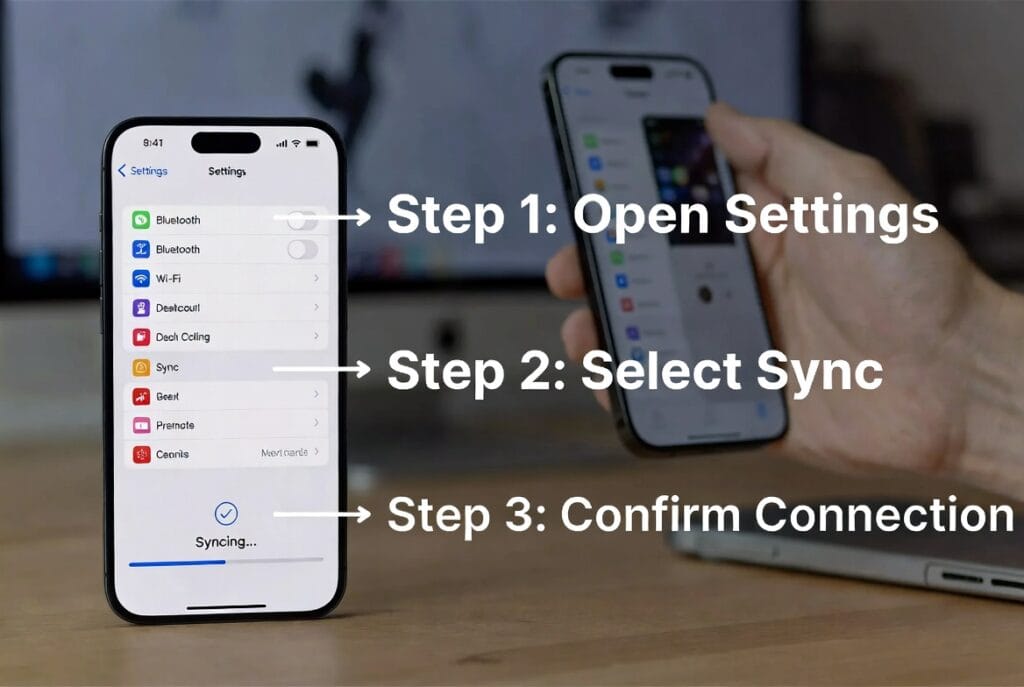
However, this path is not as simple as clicking a “share” button. True synchronization requires a delicate balance between technology, ethics, and mutual consent. With a decade of experience in digital security and relationship dynamics, I’ve seen how the tools for connection can be misused for control. This guide will walk you through what true phone syncing entails, examine the apps that claim to do it, and emphasize why trust, not stealth, should be your foundation.
What Does “Syncing Phones” Really Mean?
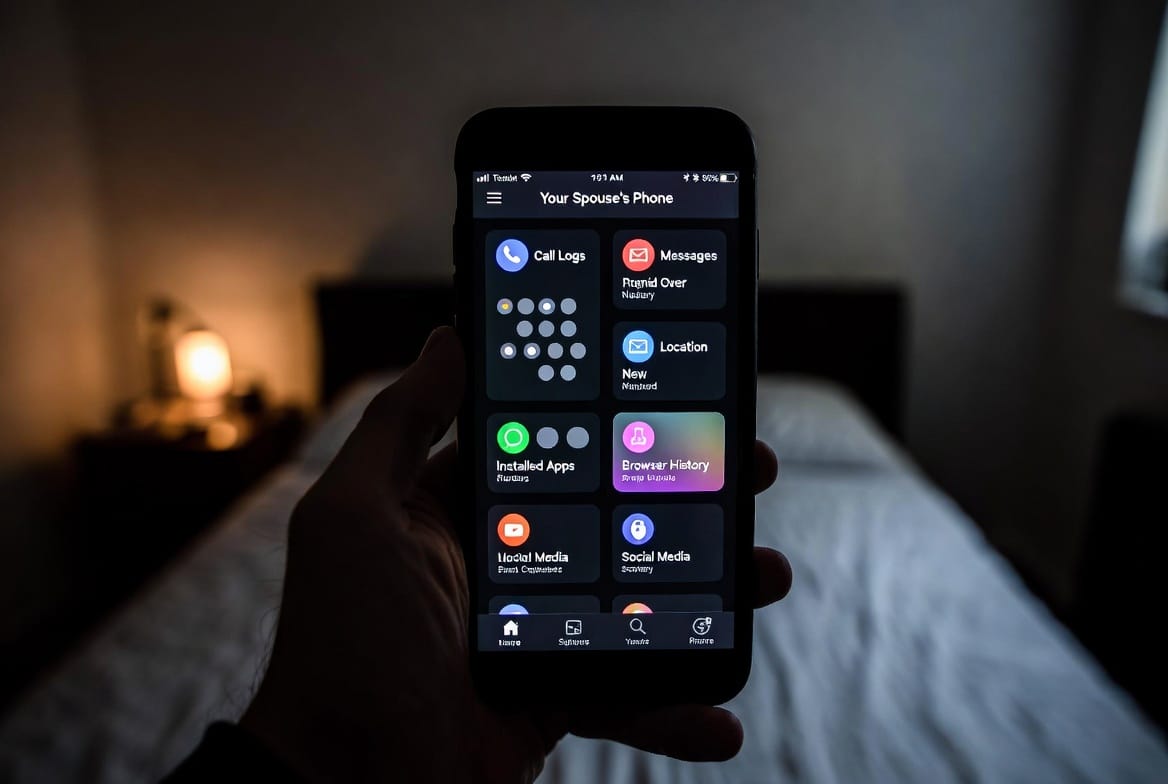
Before exploring tools, let’s define the goal. For most people, how to sync my boyfriends phone to mine means gaining remote access to the data on their partner’s device. This can range from seeing their real-time location and text messages to monitoring their social media activity.
Technologically, this is achieved through monitoring applications. These apps are installed on a target device (in this case, your boyfriend’s phone) and transmit data to a secure online dashboard, which you can access from your own phone or computer. It’s crucial to understand that this is not a mutual “sync” like linking calendars; it is a one-way flow of information.
The legal and ethical landscape here is clear: Installing such software on another adult’s phone without their explicit knowledge and consent is illegal in most jurisdictions. These laws exist to protect privacy and prevent digital abuse, often classified as “stalkerware” or “spouseware.”
Understanding Your Options: Apps and Their Capabilities
If you are considering phone monitoring in a legal context—such as a parent monitoring a teen—several applications are available. The following table compares the general features of three platforms often discussed in this space.
| Application | Primary Stated Purpose | Key Monitoring Features | Considerations for Partner Use |
|---|---|---|---|
| mSpy | Parental Control / Monitoring | GPS location tracking, social media & SMS monitoring, call logs, invisible mode. | Market-leading features, but using it on a partner without consent is illegal and a breach of trust. |
| Parentaler | Parental Control | Location tracking, social media & call monitoring, app blocking, screen time management. | Designed for child safety. Its use in an adult relationship without consent is unethical and potentially unlawful. |
| Professional Services (e.g., via Marketplace) | Cybersecurity & Ethical Hacking | Varies by professional; can include digital forensics, account recovery, or security audits. | Legitimate for resolving security issues with consent. Not a tool for secret relationship monitoring. |
1. mSpy: Comprehensive Device Monitoring
Often cited as a top choice in the monitoring software arena, mSpy offers a wide array of features. Its control panel provides access to GPS location history, messages from apps like WhatsApp and Snapchat, call logs, and even a keylogger to record typed keystrokes.

The app markets itself as being invisible on the target device and emphasizes an easy setup process: create an account, choose a plan, and view the information remotely. It’s compatible with both Android and iOS, though iOS installation typically requires the target’s iCloud credentials.
Remember: Despite its capabilities, using mSpy to secretly monitor your boyfriend constitutes an invasion of privacy. The company’s own materials are geared toward parental control, not partner surveillance.
2. Parentaler: A Family-Focused Approach
Parentaler is explicitly designed as a parental control app. It allows a parent to monitor their child’s location, review conversations on social media and texts, and restrict access to certain apps or websites. The interface is built to give parents “peace of mind” about their child’s online safety.

Testimonials on their site highlight its use for preventing cyberbullying and managing screen time. It operates discreetly and offers 24/7 support. However, its entire premise is based on the guardian-child relationship dynamic, which is fundamentally different from an equal partnership between adults.
3. Sphnix and Professional Cybersecurity Services
The provided link for “Sphnix Tracking App” directs to a professional cybersecurity marketplace. This is an important distinction. This platform connects clients with vetted ethical hackers for services like penetration testing, vulnerability assessments, and data recovery—not for secret spying.
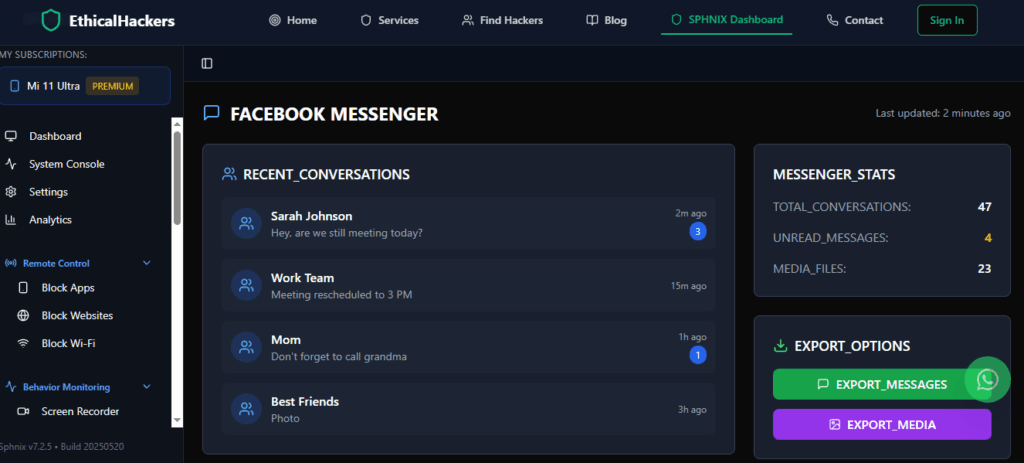
These professionals operate under strict ethical guidelines and legal contracts. Hiring a hacker from such a marketplace to infiltrate your boyfriend’s phone without his knowledge would be a violation of their terms, your partner’s trust, and the law. These services are for protection and security with consent, not covert monitoring.
The Critical Importance of Consent and Legal Boundaries
This cannot be overstated: Secretly monitoring your partner’s phone is wrong. Beyond eroding the very foundation of your relationship—trust—it can have serious consequences:
- Legal Repercussions: You could face charges under computer fraud and abuse laws, stalking statutes, or invasion of privacy laws.
- Destruction of Trust: If discovered, this action will likely end the relationship and cause profound emotional harm.
- Ethical Violation: It treats your partner not as an equal but as someone who needs to be controlled and surveilled.
Healthy relationships are built on honesty, not surveillance. The desire to know shouldn’t override your partner’s right to privacy.
Building Trust: The Right Way to Achieve Digital Transparency
If you feel the need for more transparency, there are healthy, consensual ways to address it:
- Open a Dialogue: Have an honest conversation. You might say, “I’ve been feeling insecure lately, and I think we could both feel more connected if we were more open with our phones. What are your thoughts?” This focuses on your feelings and invites collaboration.
- Use Mutual, Consensual Apps: If you both agree, use apps designed for shared transparency.
- Location Sharing: Use Find My (iPhone) or Google Maps’ location sharing to mutually share locations.
- Shared Calendars: Sync your calendars (Google Calendar, Apple Calendar) for planning and awareness.
- Family Safety Apps: Apps like Life360 can be used by mutual agreement for location sharing and check-ins.
- Seek Professional Help: If insecurity or distrust is pervasive, consider couples counseling. A therapist can help you communicate your needs and rebuild trust in a structured, healthy way.
Conclusion: Sync Your Hearts, Not Just Your Phones
The technical answer to how to sync my boyfriends phone to mine involves monitoring apps, but the ethical and relational answer is far more complex. While technology like mSpy or Parentaler provides the capability for surveillance, using it without consent is a shortcut that leads to a dead end of broken trust and potential legal trouble.
The healthiest relationships are built on a foundation of mutual respect and voluntary transparency. Have the courage to build connection through conversation and agreed-upon sharing, not through stealth and secrecy. Invest in understanding each other’s needs and fears; that is the only form of “syncing” that creates a lasting, secure partnership.
If you are dealing with complex relationship issues or genuine cybersecurity concerns, seeking guidance from a professional relationship counselor or a legitimate, ethical cybersecurity service is the responsible path forward.
Frequently Asked Questions (FAQs)
Q1: Can my boyfriend find out if I use a spy app on his phone?
Yes, it’s possible. While these apps are designed to be hidden, signs like rapid battery drain, increased data usage, phone heating up, or unusual behavior can be giveaways. Tech-savvy users may also find the app in their device’s application list or through security scans.
Q2: If we’re in a relationship, isn’t his phone my business too?
Not without his consent. A relationship does not nullify an individual’s right to digital privacy. Trust means respecting boundaries. Open communication about your concerns is always better than secret investigation.
Q3: Are there any legal ways to see what’s on his phone?
The only legal way is with his explicit permission. You can ask to use his phone or discuss mutual transparency. Any method that involves secretly installing software or accessing his accounts without his knowledge is illegal. If you have legitimate fears (e.g., for your safety), it’s better to seek advice from a counselor or legal professional than to take illegal action.