
The silent glow of a phone screen in the dark, the furtive glances, the unexplained hours—these moments can sow seeds of doubt that grow into an overwhelming need for answers. When trust erodes, many find themselves desperately searching for a way to get spouse text messages, hoping the contents will either confirm their fears or finally offer peace of mind. After a decade in digital forensics and cybersecurity, I have witnessed the profound personal and legal consequences of this search when done incorrectly. This guide is not a simple list of tools.

It is a professional roadmap through the complex ethical dilemmas, strict legal boundaries, and technological realities of accessing someone else’s private communications. I will provide you with clear information about the methods that exist, the severe risks they carry, and the responsible alternatives that can protect you from greater harm.
The Critical Legal Framework: A Boundary You Cannot Cross
Before exploring any method to get spouse text messages, you must understand the immutable legal wall you are facing. In the United States, the Electronic Communications Privacy Act (ECPA) is a federal law that strictly prohibits the unauthorized interception, access, or disclosure of electronic communications.
Here is what this means in practical terms:
- It Is Generally Illegal: Installing surveillance software on a device you do not own or have explicit permission to monitor is a violation of federal and often state laws. This applies even to a spouse’s phone. Your marital status does not grant you ownership of their digital privacy.
- Evidence Becomes Tainted: Any evidence you gather through illegal means is almost certainly inadmissible in a court of law. In divorce or custody proceedings, using such evidence can backfire dramatically, painting you as the violator and potentially harming your case.
- You Assume Personal Liability: Beyond unusable evidence, you open yourself up to criminal prosecution for computer fraud or civil lawsuits for invasion of privacy.
The law is clear: accessing another adult’s private communications without consent is not a marital right; it is a potential crime.
An Analysis of Monitoring Software and Services
The market is saturated with applications and services that promise the access you seek. They primarily fall into two categories: consumer-grade spyware and professional forensic services. Their advertised capabilities are powerful, but their legal application is almost exclusively for parental control of minors or monitoring company-owned devices with employee consent.
The table below compares the three services linked in your prompt based on their advertised features and intended use:
| Feature / Service | Sphnix Tracking App (via Professional Marketplace) | Scannero | Moniterro |
|---|---|---|---|
| Stated Primary Purpose | Professional cybersecurity & digital forensics services. | Phone monitoring and location tracking. | Device monitoring and control. |
| Advertised Messaging Access | Provided by experts in a legal context (e.g., with a court order or device owner consent). | Monitors SMS, calls, and social apps. | Tracks SMS, calls, and chat applications. |
| Key Additional Features | Vulnerability assessments, data recovery, legal consultation. | GPS location tracking, geofencing, environment recording. | GPS tracking, app blocking, screenshot capture. |
| Critical Legal Note | A service for licensed professionals, not for covert spying. Misuse on a spouse is illegal. | Marketed for parental control. Use on a spouse without consent violates privacy laws. | Designed for monitoring children or employees with consent. Secret spousal use is unlawful. |
Sphnix: Professional Cybersecurity Marketplace
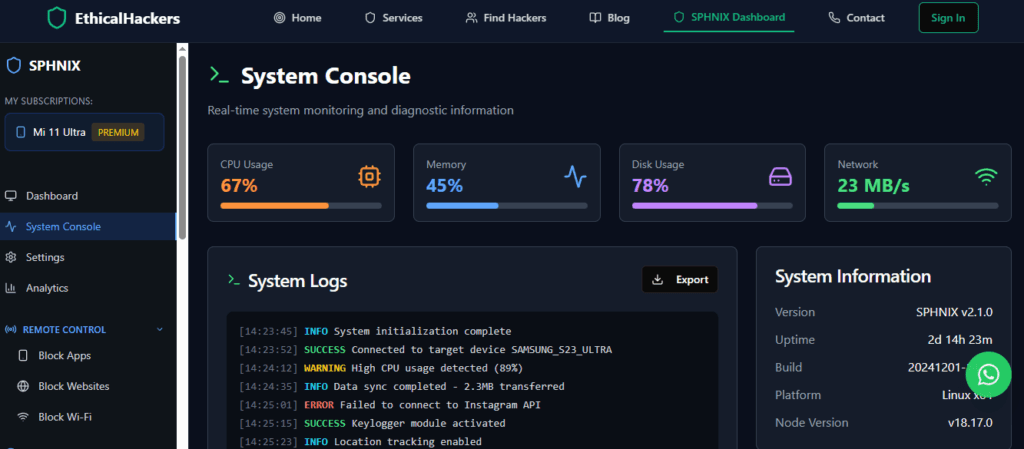
This link directs to a marketplace for vetted cybersecurity experts, not a direct “spy app.” This is a crucial distinction. Professionals here offer services like investigating a data breach you are involved in, recovering a hacked account, or conducting a forensic analysis where legal authority exists. They are not a legal workaround for personal spying. If an attorney advises you that digital evidence is needed for your case, these are the types of professionals they might engage to conduct the work legally and ethically.
Scannero: Phone and Location Monitoring
Scannero is advertised as a tool for monitoring phone activity and real-time location. Features like tracking text messages and call logs, combined with GPS geofencing alerts, make it a powerful parental control application. Its marketing suggests uses like keeping tabs on a child’s whereabouts or monitoring their communication for safety. However, the very power that makes it effective for parents makes its covert use against a spouse a profound invasion of privacy and a clear legal risk.

Moniterro: Comprehensive Device Control
Moniterro presents itself as a full-featured monitoring suite. Beyond message tracking, it offers tools for remote device control, such as blocking applications or capturing screenshots. For an employer managing company-owned phones or a parent restricting a child’s access to inappropriate content, these are management features. When turned against a life partner without their knowledge, these controls cross into the territory of digital domination and harassment, compounding the legal jeopardy.

The Relational Cost: What You Lose When You Spy
The desire to get spouse text messages is often about seeking control in a situation that feels out of control. However, the act of spying itself carries a devastating relational cost that many do not fully consider.
- The Destruction of Trust Foundation: Even if you discover nothing, you have fundamentally altered the relationship. You have become a secret keeper and a violator of intimacy. Rebuilding from that point is incredibly difficult.
- The Burden of the Secret: The weight of your actions—the constant checking, the fear of discovery, the guilt—creates its own form of isolation and stress.
- It Avoids the Real Issue: Surveillance treats the symptom (doubt) but not the disease (a broken relationship). It provides data, not understanding, and does nothing to repair communication, resentment, or disconnection.
A Responsible Path Forward: Ethical Alternatives to Spying
If your doubts are powerful enough to make you consider illegal surveillance, they are serious enough to warrant legitimate, constructive action. Here is a professional, step-by-step approach:
- Self-Assessment: Honestly evaluate the basis of your suspicion. Is it rooted in concrete, observable changes in behavior, or is it fueled by anxiety or past experiences? Journaling your observations can separate patterns from fears.
- Prioritize Direct Communication: While difficult, a calm, non-accusatory conversation is the healthiest first step. Use “I feel” statements: “I’ve been feeling disconnected and worried when I see you texting privately so often. Can we talk about it?”
- Seek Professional Guidance: A licensed marriage and family therapist is trained to help couples navigate trust issues and communication breakdowns. This is the most effective tool for healing the relationship itself.
- Consult a Family Law Attorney: If you believe financial deception or other misconduct is occurring and divorce is a possibility, speak to an attorney immediately. They can advise you on legal methods for discovery (the formal process of exchanging information in a lawsuit) that will protect your rights and ensure any evidence is usable.
Conclusion: Choose Integrity Over Intrusion
The painful question of how to get spouse text messages ultimately forces a choice: Will you seek answers through secret intrusion, or through honest and courageous confrontation with the reality of your relationship? The technological path, while tempting, leads through a legal and ethical minefield that can leave you more damaged than the initial doubt.
True resolution comes from facing the issue directly—through conversation, counseling, or proper legal channels. These paths preserve your integrity, protect you from legal consequences, and address the core problem rather than creating new, more complicated ones. They are difficult but dignified.
For situations involving complex digital matters where professional analysis is required, always ensure it is conducted within the bounds of the law to protect your future.
Frequently Asked Questions
Can I legally install monitoring software if I own the phone or pay the bill?
No, this is a common misconception. Ownership of the physical device or service plan does not override an individual’s reasonable expectation of privacy for their personal communications. The legal violation is the unauthorized interception of data, not the ownership of the hardware. Courts consistently uphold this privacy right.
What are the chances my spouse will find the hidden monitoring app?
The risk is significant. While apps advertise “stealth mode,” several factors can lead to discovery: unexpected battery drain, increased data usage, the device running warmer, occasional glitches, or the app being listed in the device’s application manager. A routine operating system update can also disable or expose such applications.
If I suspect infidelity, what should I do before considering any spy software?
First, secure your own emotional and legal footing. Confide in a trusted friend or therapist for support. Start discreetly gathering observable information (dates, times, behaviors) without illegal intrusion. Most importantly, schedule a consultation with a family law attorney. They can provide the best guidance on protecting your interests and conducting any investigation legally, ensuring your actions don’t jeopardize your position in potential future proceedings.