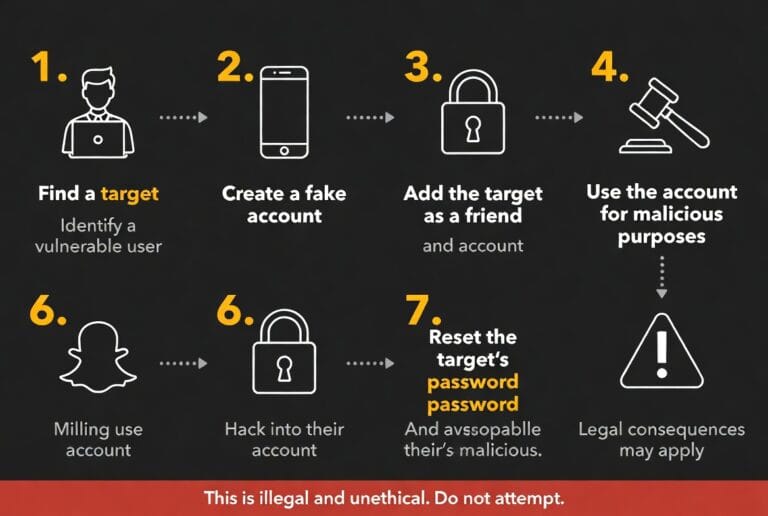

The Silent Question of Modern Trust: Navigating Location and Secrecy
The thought first appears as a quiet, unsettling flicker in your mind. It grows with every unexplained late night, every vague answer about her whereabouts. In our connected world, the smartphone has become the modern compass, pointing not just north, but to the truth. For ten years, I’ve advised individuals wrestling with the profound dilemma encapsulated in the question: “how can I track my wife’s phone without her knowing?” This is not a query born of casual curiosity, but of deep-seated concern and eroding trust. If you’re here, you’ve likely exhausted conversations that lead nowhere and need factual clarity.
Updated February 2026

This guide will provide a candid, expert examination of the motivations, the stark legal and ethical landscape, the built-in options, and the professional tools that exist. My goal is not to encourage surveillance, but to inform you of the reality of your options so you can make a decision rooted in knowledge, not just fear.
Understanding the “Why”: Valid Reasons and Major Legal Warnings
Before exploring any method, you must confront your motivations and the significant legal boundaries.
- The Justifications: Clients often seek tracking during extreme situations: a genuine, evidence-backed suspicion of infidelity that is destroying their mental health; serious concerns for a spouse’s safety due to reckless behavior; or the need to gather concrete proof for legal proceedings like divorce. The common thread is a transition from doubt to a need for documented truth.
- The Critical Legal Warning: This cannot be overstated. In most countries and U.S. states, it is illegal to install tracking software on or electronically track the location of a device that you do not own or for which you do not have explicit consent. Violating electronic communications privacy laws (like the CFAA in the U.S.) can result in severe civil penalties and even criminal charges. This guide is for informational purposes regarding devices you own or with consent. You are solely responsible for knowing and complying with your local laws.
Method 1: Built-in Legitimate Options (Requiring Some Access or Consent)
These methods are legal but often require her credentials or her phone to set up.
- Find My Device (Android) or Find My (iPhone): These are the most common built-in tools. To use them covertly, you would need to already be logged into her Google or iCloud account on a shared device or know her credentials. If enabled, they show real-time location. However, she will likely receive a notification if you log in from a new device or if her location is checked frequently from an unfamiliar one.
- Family Locator Services (Life360, Google Maps Location Sharing): Apps like Life360 are designed for mutual location sharing within a “circle.” To add someone without their knowledge is a violation of terms and spirit. Google Maps location sharing requires her to approve the request from your account. These are consent-based systems.
Method 2: Mobile Network Provider Services
Your phone carrier (Verizon, AT&T, T-Mobile, etc.) often offers family locator services as part of a plan. These typically:
- Require you to be the account holder.
- Involve sending an invitation to her phone that she must accept.
- Are visible on the phone bill or through carrier app notifications.
Using these without consent is a breach of your carrier’s terms of service.
Method 3: Professional Monitoring Software (The Most Discreet Option)
When other methods are impossible due to a lack of consent or access, and you are prepared to understand the legal risks, dedicated monitoring apps are designed specifically for discretion. They are installed once on the target device and then transmit data silently to a private online dashboard.
1. Sphnix Tracking App
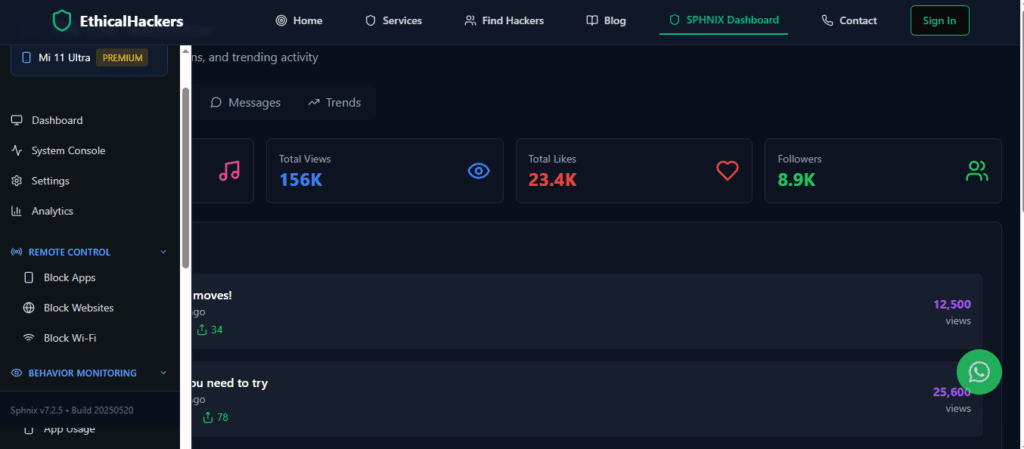
Sphnix excels in stealth and comprehensive data collection. Its location tracking is highly detailed, offering real-time GPS pins, location history with timestamps, and geofencing alerts for specific areas. Crucially, it runs in complete stealth mode, hiding its icon and activity. Beyond location, it provides social media, call, and message monitoring, giving context to her movements.
2. mSpy
As an industry leader, mSpy offers exceptionally reliable and user-friendly location tracking. Its dashboard displays the device’s location on an interactive map with a detailed log of visited places. A key feature is its geofencing capability, which sends an instant alert to your control panel if the device enters or leaves a designated zone (e.g., a specific address or neighborhood). This is powerful for confirming patterns.

3. Parentaler
While marketed for parents, Parentaler’s tracking suite is robust for adult monitoring. It provides frequent location updates and a full travel history. Its standout feature is its ability to monitor location alongside all other device activity—showing you not just where she is, but what she is doing on her phone at that location (e.g., texting a specific contact while at an unusual place).

What These Apps Actually Show You: From Data to Evidence
Understanding the dashboard is key. These tools don’t just show a dot on a map. They provide evidence:
- Timeline History: A log of every location, arrival time, and departure time.
- Frequency Analysis: Patterns become clear—repeated visits to an unfamiliar apartment, long stops at a hotel after work, or trips claimed to be elsewhere.
- Correlated Activity: You can see if incoming calls or messages from a specific contact consistently precede or occur during visits to a suspicious location.
The Consequences and Ethical Weight
Choosing to track secretly carries immense weight.
- Relationship Termination: If discovered, it will almost certainly end the relationship due to the profound breach of trust.
- Legal Repercussions: As stated, you may face lawsuits or criminal prosecution.
- Personal Burden: The act of constant surveillance can be corrosive to your own well-being. It’s a path that leads to a definitive outcome—either the proof you feared or a violation that changes everything.
Conclusion: From Secrecy to Resolution
The technical answer to “how can I track my wife’s phone without her knowing” involves understanding built-in tools, carrier services, and professional stealth applications. However, the real answer is far more complex, woven with legal peril and ethical gravity. Tracking is not a solution to relationship problems; it is a diagnostic tool with severe potential side effects. It should be considered only when all avenues of communication are closed, suspicion is overwhelming, and you are prepared for the personal and legal consequences of the truth it may reveal. Your peace of mind is paramount, but it must be sought with a clear understanding of the path you are choosing.
For situations requiring extreme discretion, deep technical expertise beyond standard apps, or forensic investigation of existing devices, professional services with advanced capabilities exist.
Frequently Asked Questions (FAQs)
Q1: Is it possible to track a phone with just the number?
Services that claim to track a phone in real-time using only a number are often scams or provide very limited, inaccurate data (like a carrier’s registered city). True, persistent GPS tracking requires software installed on the target device or access to its iCloud/Google account. Be wary of websites promising this without installation.
Q2: Will tracking software drain the phone’s battery or data?
High-quality apps like mSpy, Sphnix, and Parentaler are optimized for minimal impact. They use efficient location polling and data compression. A slight increase in battery usage or data consumption may occur, but it is typically minor enough not to raise suspicion with the average user.
Q3: Can these apps be detected by antivirus software?
The leading monitoring apps are constantly updated to avoid detection by standard mobile antivirus programs. They are not classified as traditional “malware” by most security suites, as they are commercial products. However, a highly tech-savvy individual performing deep security scans might find traces of the installation.