
Have you ever glimpsed a cryptic text on your partner’s phone—something like “GM” late at night or a “😉” from an unknown number—and felt a cold knot of suspicion tighten in your stomach? You’re not alone. When trust begins to fray, every notification can feel like a potential clue. In my ten years as a digital communications analyst, I’ve seen how cheating spouse text messages codes—those shorthand symbols, emojis, and time stamps—can become a secret language.
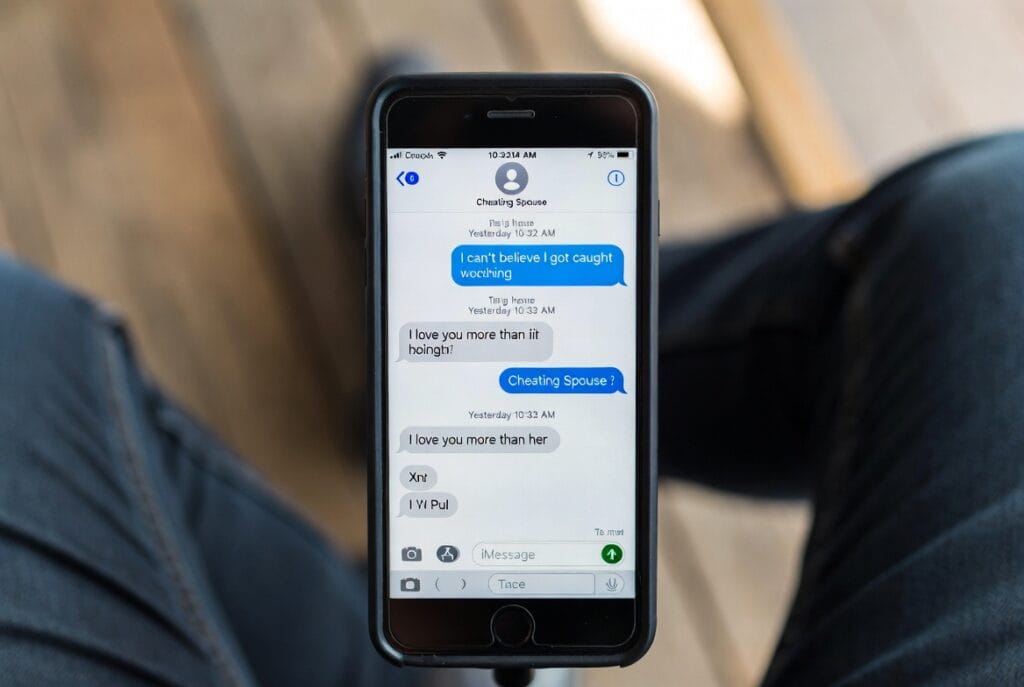
This article will serve as your decoder ring. We will first break down the common digital codes used to conceal affairs and then move to a critical discussion on the technological and legal realities of monitoring. Most importantly, we will explore how to proceed with your eyes wide open, protecting your emotional and legal well-being.
Decoding the Digital Shorthand: Common Text and Emoji Codes
Infidelity often thrives in the shadows of mundane communication. To avoid detection, individuals may adopt subtle codes. Understanding these can help you contextualize behavior, but remember, they are not definitive proof on their own.
- Time-Based Codes: Phrases like “GM” (Good Morning) or “GN” (Good Night) sent at odd hours (e.g., a “GN” text at 3 PM) can signal a private channel of communication outside normal daily rhythms.
- Emoji as a Secret Language: Emojis are ripe for coded meaning. While a simple “😉” or “❤️” can be innocent, consistent use of specific, unusually intimate, or contextually odd emojis with a particular contact can be a red flag. A sudden influx of 🍍 (pineapple), 🍓 (strawberry), or other fruits can sometimes be used as symbols in dating or swinger communities.
- Innocent-Sounding Alibis: Be aware of texts that seem like mundane logistics but could serve as covers. A message that reads “Running late, meeting ran over” or “Stopping for gas, be home soon” could be genuine or could create windows of time for a liaison.
- “Incognito” Messaging Apps: The use of apps like Telegram, Signal, or Snapchat—which emphasize encryption and disappearing messages—on their own isn’t proof. However, a newly downloaded, hidden, or fiercely guarded app can indicate a desire for conversations that leave no trace.
Recognizing these patterns can clarify your suspicions, but gathering proof—especially through technological means—is a minefield with serious consequences.
The Legal Minefield of Spousal Spying
Before you consider any form of digital monitoring, you must understand the significant legal risks. In the United States, the Electronic Communications Privacy Act (ECPA) is a federal law that strictly prohibits the unauthorized interception, access, or disclosure of private electronic communications. This includes text messages, emails, and social media chats.
Installing spyware on a spouse’s phone without their knowledge is very likely a violation of this law. The penalties are severe and can include:
- Civil lawsuits where you may be liable for damages.
- Criminal charges, which in some states are classified as felonies.
- The evidence you gather being ruled inadmissible in court during divorce proceedings, potentially harming your own case.
As one legal firm emphasizes, while you may suspect your spouse is hiding something, “the best thing to do is be honest with your… divorce attorney” and use lawful means for discovery. Spying can turn a reasonable divorce into a contentious one and damage any hope of future civil co-parenting.
An Analysis of Monitoring Technology: Capabilities and Risks
The market is flooded with applications that advertise powerful monitoring capabilities. It is vital to state that these are legally intended for parental control of minor children or for employer monitoring of company-owned devices with explicit employee consent. Using them to spy on a spouse is a serious misuse.
The table below compares the types of apps referenced, based on publicly available information and reviews.
mSpy: A Closer Look at a Controversial Tool
mSpy is one of the most recognized names in consumer monitoring software. Its promotional materials list extensive features for tracking text messages and social media chats. However, independent user reviews paint a starkly different picture. Hundreds of customers report paying for subscriptions only to find that key features do not function, GPS data is inaccurate, and requests for refunds are ignored. One reviewer summarized it as a “complete waste of money because they don’t work at all”.

Parentaler: Marketed for Simplicity
Parentaler is advertised as an affordable and user-friendly parental control solution. It focuses on giving parents an overview of a child’s device activity. Its simplicity is a selling point, but as with any tool of this nature, diverting it for the secret surveillance of an adult partner is both unethical and illegal.

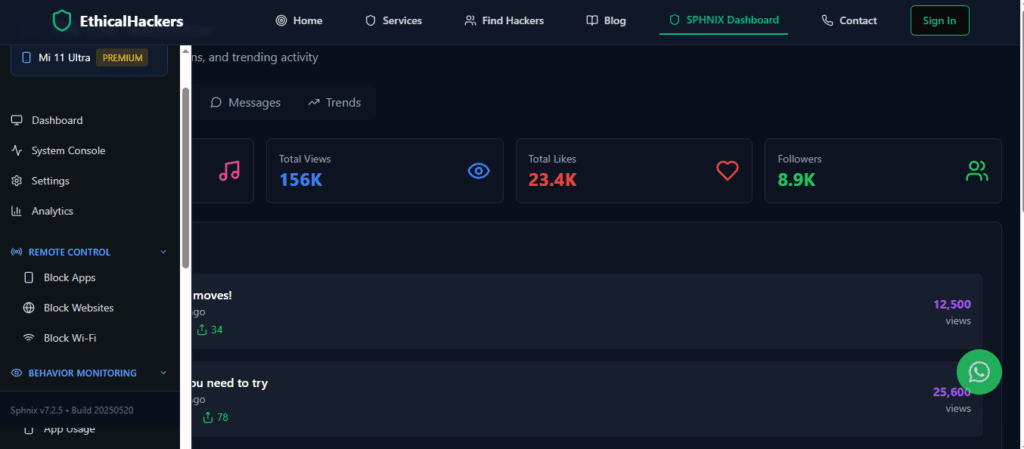
Sphnix: Professional Cybersecurity Marketplace
This link leads to a service of an entirely different nature: a marketplace for professional cybersecurity experts. These are not “hackers for hire” for illegal spying. They are vetted professionals who can be engaged for legal purposes, such as conducting a digital forensic investigation under the direction of your attorney or securing your own devices. This represents the only legal pathway for expert-assisted digital discovery.
The High Cost: Emotional and Relational Consequences
Beyond the legal peril, secret surveillance extracts a heavy emotional toll.
- It Erodes Your Integrity: The act of spying means you are living with a secret and engaging in deception, which can damage your self-respect.
- It Rarely Brings Peace: If you find nothing, you’re left with guilt over the violation. If you find evidence, the pain is compounded by the manner in which you discovered it.
- It Destroys Any Foundation for Reconciliation: Should you choose to confront your spouse, the conversation will inevitably center on your breach of privacy as much as their infidelity, making repair nearly impossible.
A Responsible Path Forward: What to Do Instead
If your suspicions are strong enough to consider illegal monitoring, they are serious enough to warrant responsible, legal action.
- Observe and Document (Legally): Note concrete changes in behavior, schedule, and device habits without touching their devices. Keep a private journal.
- Seek Professional Support: Consult a therapist. They can help you manage the anxiety, clarify your thoughts, and determine your next steps from a place of strength, not fear.
- Consider a Direct Conversation: If safe to do so, a calm, non-accusatory talk using “I feel” statements can sometimes bring issues to light.
- Consult a Family Law Attorney: This is the most critical step. An attorney will advise you on your state’s laws and the legal methods for discovery in a divorce proceeding. They can help you understand what evidence is admissible and how to obtain it legally.
Conclusion: Choose Clarity, Not Criminality
The world of cheating spouse text messages codes is a symptom of a deeper breakdown in trust. While the desire for definitive proof is powerful, pursuing it through secret spyware is a path fraught with legal danger, financial risk, and emotional devastation. The tools marketed for this purpose, like mSpy, are plagued with operational failures and ethical black holes, as evidenced by a mountain of negative user reviews.
True empowerment comes from facing the situation with clarity and legal protection. Invest your energy and resources into professional guidance—from a counselor to heal, and from an attorney to protect your rights. These are the only paths that lead to a resolution where you can emerge with your dignity and future intact.
For situations involving complex digital evidence that may be pertinent to legal proceedings, always seek guidance through proper legal channels.
Frequently Asked Questions
Can I use evidence from my spouse’s text messages in divorce court?
It depends entirely on how the evidence was obtained. If you accessed messages on a shared device with no password or if your spouse routinely gave you their password, it might be admissible. However, if you installed spyware, hacked an account, or accessed a password-protected device without permission, the evidence will likely be thrown out and you could face legal penalties.
What does it mean if my spouse uses a lot of emojis with someone?
Emojis add emotional nuance to text. While a sudden, intimate, or secretive pattern of emoji use with a specific contact can be a red flag, it is not conclusive proof of an affair. Context is everything. Look for patterns of behavior that accompany the digital communication, such as hiding the phone, being emotionally distant, or changes in schedule.
I think my spouse is spying on me. What should I do?
Secure your devices immediately: change all passwords, enable two-factor authentication, and check for unfamiliar apps (look in settings for “device admin” apps on Android). Do not confront them directly. Instead, document any suspicious activity and consult with a family law attorney immediately. They can advise you on your rights and potential legal remedies for invasion of privacy.