
Over the past decade in cybersecurity, I’ve consulted on hundreds of cases involving social media concerns. The most common request I receive is from individuals wanting to know how to hack into someone’s facebook account. They’ve usually been misled by movie plots and online scams into believing this is a simple technical feat. As a professional, my first responsibility is to deliver the hard truth: directly compromising a Facebook account through brute force or secret software is essentially impossible for the average person and completely illegal. However, understanding what is possible—through authorized monitoring, social engineering awareness, and legitimate security tools—provides real solutions for legitimate concerns. This guide will dismantle the dangerous myths, outline the strict legal boundaries, and explain the only ethical approaches to Facebook oversight that professionals actually use.
Updated February 2026
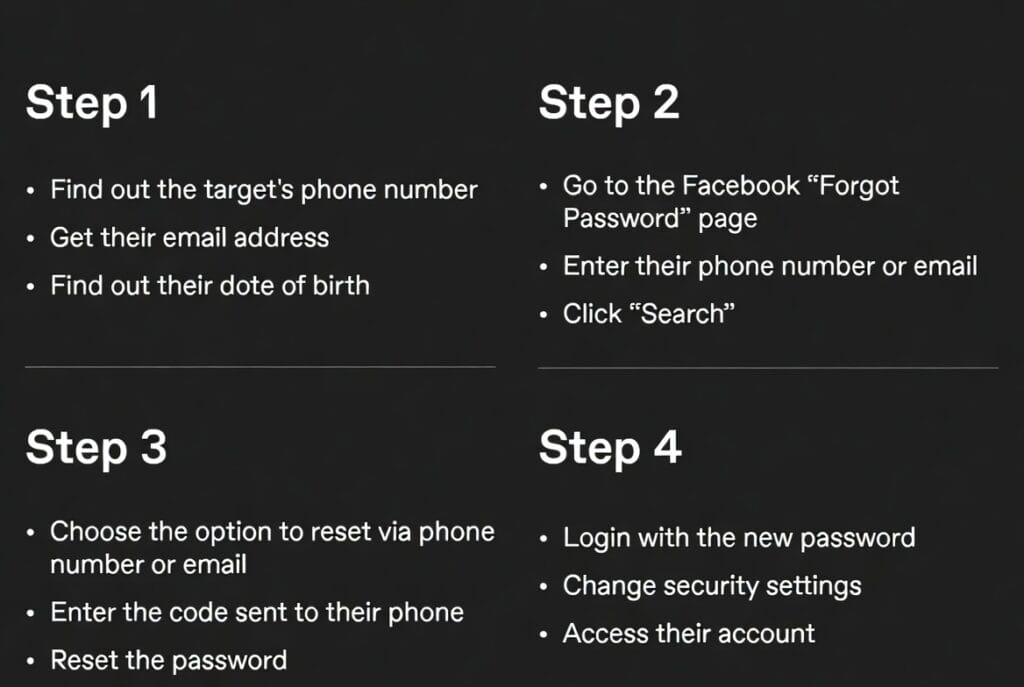
Critical Legal Disclaimer: Unauthorized access to someone else’s Facebook account is a federal crime under the Computer Fraud and Abuse Act and similar laws worldwide. This article is for educational purposes regarding security awareness, legal parental control, and authorized monitoring of company-owned devices. Any attempt to access an account without explicit permission is illegal and unethical.
Debunking the “Facebook Hacker” Scam Industry
Your search for information on how to hack into someones facebook account has likely led you to fraudulent services. These scams are engineered to exploit desperation, not provide solutions. They typically follow three patterns:
- Phishing Services: They offer to “hack” an account but instead send you a fake Facebook login page to steal the target’s credentials (or your own).
- Advanced-Fee Frauds: They demand payment for “hacking software” that never functions or simply doesn’t exist, often requesting more money for “activation codes” or “premium access.”
- Malware Distribution: They provide a downloadable program that claims to hack Facebook but instead installs viruses, keyloggers, or ransomware on your computer.
Professional security experts do not use or sell these services. They are criminal operations targeting vulnerable individuals. The real methods are more nuanced and hinge on legal authorization.
The Legal Foundation: When Is Access Permissible?
Before any technical discussion, the legal right to monitor must be established. Legitimate scenarios are narrow:
- Parental Control: Monitoring the Facebook activity of your minor child.
- Company Device Management: Overseeing activity on a company-owned device issued to an employee under a transparent, signed monitoring policy.
- Explicit Personal Consent: Having direct, documented permission from the account holder (e.g., mutual agreement between partners).
If your situation doesn’t fit one of these categories, you are considering criminal activity. The technical “how-to” is irrelevant without the legal “right-to.”
The Professional Shift: Monitor the Device, Not Just the Account
Directly compromising Facebook’s servers is a near-impossible task for outsiders. The professional approach shifts focus from the cloud-based account to the physical device where the account is accessed. Most people stay logged into Facebook on their smartphones. Therefore, monitoring that device provides a window into their Facebook activity.
This method doesn’t technically “hack” Facebook. It uses authorized software to capture what happens on the device’s screen and keyboard, effectively seeing what the user sees. This is the cornerstone of legal monitoring.
Method 1: Comprehensive Social Media & Device Surveillance
This involves installing a full monitoring suite on the target device. These applications are designed to capture data from Facebook and other social platforms directly from the device’s operating system.
How it works: The software uses granted permissions to log activity within the Facebook app or browser. It can capture messages, posts, searches, and timestamps, sending everything to a private online dashboard.
Recommended Tool: SPHINX Tracking App
SPHINX is a high-powered tool designed for deep device insight and social media monitoring.
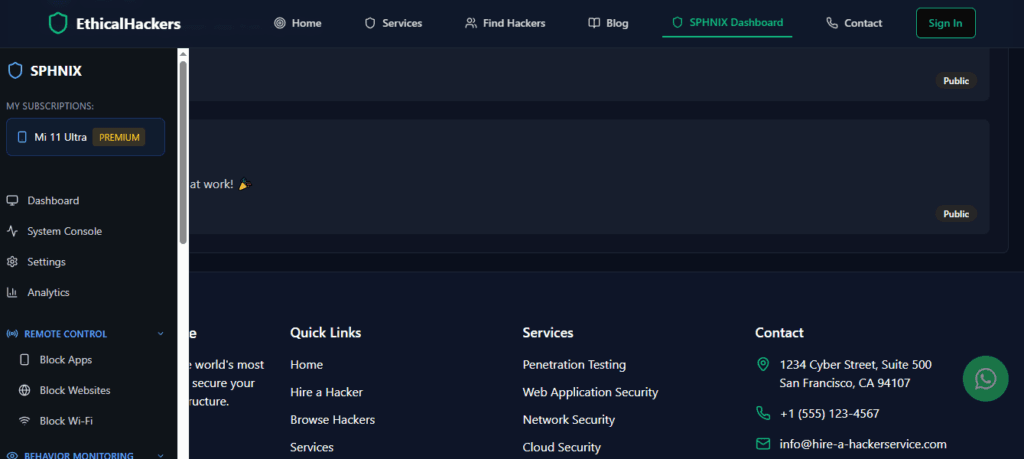
Key Features for Facebook Monitoring:
- Social Media Tracker: Specifically captures activity from the Facebook app, including Messenger conversations, posts, and friend interactions.
- Keylogger Function: Records every keystroke, which can capture Facebook login credentials and search terms.
- Screen Recording & Screenshots: Takes periodic images of the device screen, showing exactly what is displayed in the Facebook app.
- Browser History Monitoring: Tracks Facebook access via web browsers like Chrome or Safari.
- Stealth Operation: Once installed, it becomes invisible on the target device.
Method 2: Forensic Data Extraction & Analysis
Some situations require analyzing existing data on a device rather than real-time monitoring. This is common in investigative contexts where you need to see past activity.
How it works: These tools extract data stored locally on the device, such as cached images, browser history, and app data remnants, which can include Facebook session information and fragments of activity.
Recommended Tool: Scannero
Scannero focuses on data extraction and forensic analysis, making it useful for building a picture of past Facebook use.

Key Features for Facebook Access:
- Data Recovery: Can extract cached files, cookies, and browser data that may contain Facebook login information or session tokens.
- App Data Analysis: Examines data stored by the Facebook app on the device.
- Report Generation: Creates organized reports of extracted digital artifacts.
- Cross-Platform Support: Works on various device types to retrieve stored information.
Method 3: Integrated Dashboard Monitoring
For ongoing oversight, particularly in parental or business contexts, an all-in-one dashboard that combines Facebook activity with other device usage provides comprehensive context.
How it works: These platforms provide continuous monitoring, sending Facebook activity data to a live dashboard alongside location, calls, texts, and other app usage.
Recommended Tool: Moniterro
Moniterro offers an integrated approach to device monitoring with Facebook tracking as one component of a larger oversight system.
Key Features for Facebook Monitoring:
- Social Media Activity Tracking: Monitors time spent on Facebook and captures activity within the app.
- Unified Dashboard: Presents Facebook data alongside location history, call logs, and other app usage in a single interface.
- Usage Pattern Analysis: Shows when and how frequently Facebook is accessed.
- Alert Systems: Can potentially alert to specific activities or excessive usage.
- Comprehensive Device Overview: Provides a holistic view of device usage rather than just Facebook isolation.
The Inescapable Requirement: Physical Access
All three methods above share one absolute requirement: initial physical access to the target device. There is no legitimate, reliable software that can monitor Facebook activity without installing something on the device. This installation process typically takes 5-15 minutes and involves:
- Temporarily disabling security settings
- Downloading and installing the monitoring application
- Granting necessary permissions
- Hiding the application
- Returning the device to normal use
After installation, all monitoring occurs remotely via your private dashboard. This is the realistic approach to understanding how to hack into someones facebook account for authorized purposes.
How to Protect Your Own Facebook Account
Understanding these methods provides the best defense for your own account:
- Enable Two-Factor Authentication (2FA): This is the single most effective security measure. Even if someone has your password, they need your phone or authentication app to log in.
- Use a Strong, Unique Password: Never reuse passwords across different sites.
- Review Active Sessions: Regularly check “Where You’re Logged In” in Facebook settings and log out of unfamiliar devices.
- Enable Login Alerts: Set up notifications for logins from new devices or browsers.
- Be Wary of Phishing Attempts: Never enter your Facebook credentials on any site except facebook.com. Check URLs carefully.
- Keep Your Device Secure: Use strong passcodes/biometrics and never leave devices unlocked and unattended.
- Log Out of Shared Devices: Always log out of Facebook when using public or shared computers.
Conclusion: From Criminal Fantasy to Ethical Reality
The question of how to hack into someones facebook account ultimately leads to a clear fork in the road: one path leads to illegal activity and potential criminal charges, while the other leads to authorized monitoring through tools like SPHINX, Scannero, or Moniterro within strict legal frameworks.
The ethical approach recognizes that true access comes through device monitoring with proper authorization, not through mythical remote exploits. This method provides accountability and oversight where legally justified.
However, certain situations—complex legal investigations, corporate espionage cases, or situations requiring court-admissible digital evidence—require professional expertise beyond consumer software solutions.
When facing serious situations that demand professional investigative services with legal compliance and forensic rigor, expert assistance becomes essential. Our team at SpyWizards operates within strict legal boundaries and professional standards.
Frequently Asked Questions (FAQs)
Q1: Can someone hack my Facebook with just my phone number or email?
A: Not directly. However, they can use your phone number or email to initiate a password reset. If they also have access to your email account or can intercept your text messages (via SIM swap), they could potentially gain access. This is why enabling 2FA with an authenticator app (not SMS) is crucial.
Q2: Are keyloggers effective for hacking Facebook accounts?
A: Yes, keyloggers that successfully install on a device can capture Facebook login credentials as they’re typed. This is why device security is so important. However, if the target has 2FA enabled, the password alone may not be enough for access from a new device.
Q3: What’s the difference between these monitoring tools and actually “hacking” Facebook?
A: Monitoring tools like SPHINX, Scannero, and Moniterro capture data from the device where Facebook is accessed. They don’t breach Facebook’s servers. Actual “hacking” would involve compromising Facebook’s infrastructure directly, which is extremely difficult, illegal without authorization, and not what these consumer tools do. Device monitoring is the legal, practical alternative for authorized oversight.