
The nagging doubt, the changed passwords, the phone held a little too close—these moments can make you desperate for answers. The question “how can I hack into my husband’s phone” often comes from a place of deep hurt and suspicion, not malice.

Many turn to technology, hoping smartphone monitoring apps will provide the clarity they seek. As someone with extensive experience in digital security, I can tell you that while these tools are technologically powerful, they exist in a complex space filled with legal and ethical landmines. This article will cut through the hype to explain exactly how monitoring software works, analyze the capabilities of leading applications, and outline the critical legal realities you must understand before taking any step.
The Technical Reality: How Phone Monitoring Apps Actually Work
The term “hack” is misleading. Commercial monitoring apps like mSpy or Spynger are not magic; they are software that requires installation on the target device. They function by running silently in the background, logging activities such as keystrokes, messages, location data, and app usage, then sending this information to a private online dashboard for you to view.
For Android phones, this nearly always requires physical access to install the app directly. You might need the device for 5-10 minutes to disable security settings and complete the setup. For iPhones, which have stricter security, many apps try to use iCloud backups for data extraction, but this method is often unreliable and limited. Claims of “remote installation” with just a phone number are almost always false and are hallmarks of scams.
Critical Legal and Ethical Boundaries You Cannot Ignore
This is the most important section. Before you even consider looking for a way to hack into your husband’s phone, you must understand the law. In the United States, Canada, the UK, and most other jurisdictions, it is a serious crime to install surveillance software on a device you do not own or without the explicit consent of the device’s owner.
- You Could Face Criminal Charges: Violating electronic communications privacy laws (like the Electronic Communications Privacy Act) can lead to prosecution.
- You Could Be Sued Civilly: The person you monitor can sue you for invasion of privacy, potentially resulting in significant financial damages.
- Evidence May Be Inadmissible: In legal proceedings like divorce, evidence gathered illegally may be thrown out and could even work against you.
The only generally legal uses for such apps are: monitoring your minor children on devices you own, or monitoring company-owned devices with explicit employee consent and prior notice. Using these tools on a spouse without their knowledge fails the legal test of consent.
Analysis of Top Monitoring Applications
If you are proceeding for a legal purpose, such as parental control, here is a technical breakdown of notable applications in the market. Remember, their marketing often blurs the line between parental control and spouse surveillance.
1. Sphnix Tracking App
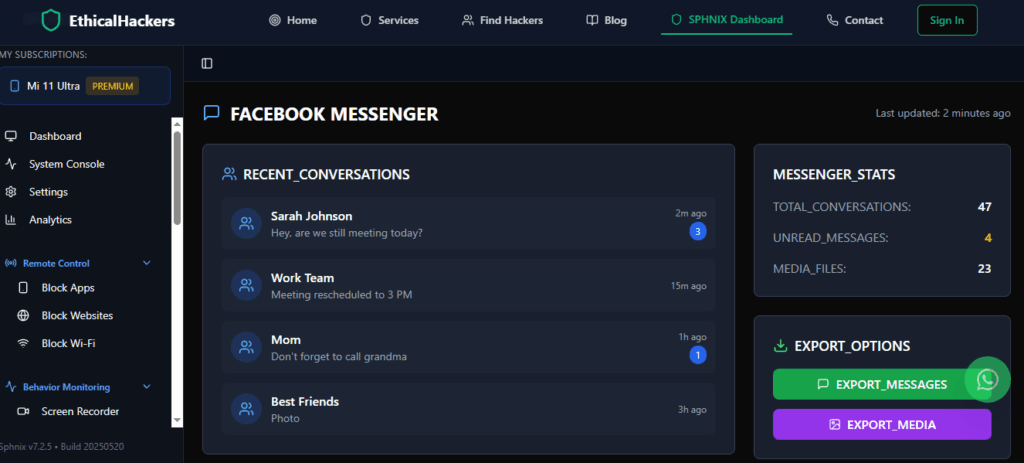
Sphnix is marketed as an all-in-one monitoring solution. Like its competitors, it operates in stealth mode to track a wide array of device activity, from basic call logs to social media interactions. Potential users should carefully research its data security practices and reliability, as with any service that handles sensitive information.
2. Scannero
Scannero takes a different approach, often focusing on location-based services via phone number. Its core functionality may be more limited compared to full-scale monitoring apps, centering on answering “where is this phone?” rather than providing deep content logs. It’s crucial to manage expectations about the type of data it can access.

3. Moniterro
Moniterro emphasizes accuracy and real-time data across multiple platforms. It is designed to provide a timely and precise feed of the target device’s activity, which can be critical for parents needing immediate alerts. As noted in industry comparisons, it is considered a strong option for users who need reliable, up-to-date monitoring information.

Common “Cheating Apps” and Digital Deception Tactics
Understanding what you might be looking for is half the battle. People seeking to hide activity often use specific tools. Common “cheating apps” include encrypted messengers like Signal or Telegram (especially its “Secret Chats”), which offer self-destructing messages. Snapchat, with its disappearing content, is also frequently used.
More alarming are disguised vault apps, like Calculator Pro+, which look like innocent utilities but require a passcode to unlock hidden galleries for photos, messages, and contacts. A sudden, obsessive interest in “privacy” or the presence of multiple calculator apps can be a red flag.
The Right Way Forward: Alternatives to Covert Spying
If you feel compelled to monitor your spouse, the core issue is a severe breakdown of trust. Addressing this through surveillance is illegal and will likely cause more damage. Consider these legitimate and healthier paths:
- Open Communication: Have a direct, calm conversation about your concerns. Use “I feel” statements rather than accusations.
- Seek Professional Help: A licensed marriage and family therapist can provide a safe, neutral space to address suspicions and rebuild communication.
- Consult a Legal Professional: If you suspect infidelity and are considering separation, a lawyer can advise you on legal methods for gathering evidence in your jurisdiction, which can be important for matters like asset division.
Conclusion
The technical capability to monitor a phone in detail exists through apps like Sphnix, Scannero, and Moniterro. However, using this technology to find out how can i hack into my husband’s phone is not a solution to relationship problems; it is a serious legal violation that erodes the very foundation of trust you might be trying to salvage. The desire to spy is a symptom of deeper issues that require communication and professional guidance, not clandestine software that can lead to severe personal and legal consequences. If you are facing a situation involving digital deception, seeking ethical and professional advice is always the correct first step.
For expert consultation on digital security and ethical investigation strategies, professional services are available.
Frequently Asked Questions (FAQs)
1. Can my spouse detect a hidden monitoring app on their phone?
While apps are designed to run in stealth mode with no icon, they are not undetectable. Signs include unusual battery drain, increased data usage, the device running warm, or strange background processes. A factory reset will remove any installed monitoring software.
2. Do I need to jailbreak or root the target phone for these apps to work?
For most features on modern Android phones, rooting is not required. For iPhones, many apps now offer basic features via iCloud, but full social media and messaging monitoring often still requires a jailbreak, which is a complex process that voids the device warranty and compromises its security.
3. Is the data collected by these apps secure?
There is significant risk. The industry has seen data breaches. You are entrusting extremely sensitive information to a third-party company, making both your data and the target’s data potential targets for hackers. Always research a company’s security history and privacy policy.