
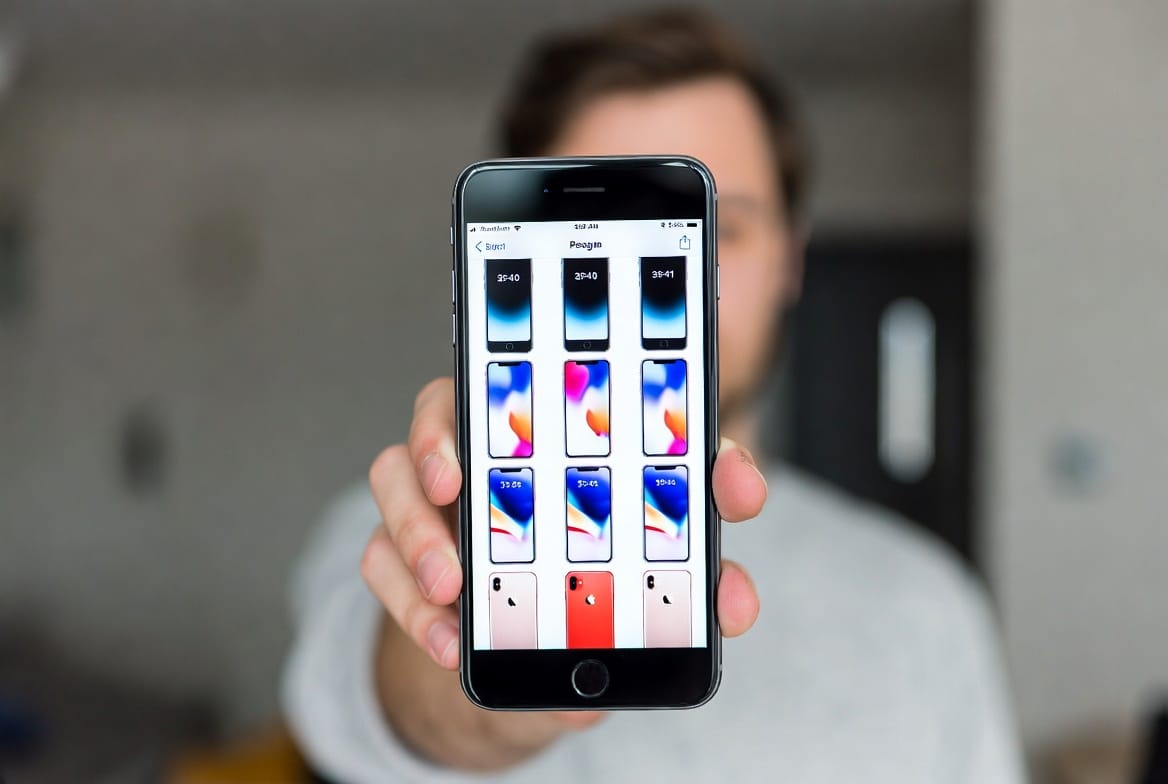
How to Clone an iPhone Without Someone Knowing: Separating Myth from Reality

The idea of secretly creating a perfect digital copy of someone’s iPhone—a clone that silently receives all their messages, photos, and data—is a powerful and troubling fantasy. If you’re searching for a way how to clone an iPhone without someone knowing, you have likely encountered a shadowy online world promising just that. After a decade on the frontlines of cybersecurity and digital forensics, I am here to deliver an essential truth: True, undetectable iPhone cloning, as imagined in spy thrillers, is a practical impossibility for anyone outside of highly resourced government agencies. More critically, attempting to do so is a serious felony.

A professional Gmail security and monitoring application interface, showing expert insights into ethical account access and protection features.

However, the underlying desire for insight—often rooted in parental concern or personal suspicion—is real. This guide will dismantle the technical myths, outline the severe legal consequences you risk, explain what monitoring is actually possible, and steer you toward ethical and lawful alternatives.

The Technical Truth: Why True “Cloning” is a Fiction

First, we must define terms. In a consumer context, “cloning” can be misunderstood. It does not mean creating a second, independent iPhone that receives live data. What is often mislabeled as “cloning” is actually monitoring or data mirroring.

Apple’s iOS is built on a foundation of security designed to prevent exactly this kind of intrusion. Key barriers include:

  • End-to-End Encryption (E2EE): Services like iMessage, FaceTime, and Health data are encrypted so that only the sender and recipient can access them. Not even Apple can decrypt them in transit. A cloned device would not have the necessary unique cryptographic keys.
  • The Secure Enclave: This is a dedicated, hardware-based security coprocessor that stores biometric data and manages encryption keys. It is physically isolated from the main processor, making extraction of its secrets virtually impossible without the user’s passcode.
  • Hardware-Backed Security: Each iPhone’s components are uniquely paired. Simply copying data to another device will not allow it to function as the original.

Therefore, the realistic goal isn’t cloning, but monitoring activity through software that reports data from the target device to you. This distinction is crucial for understanding what tools can actually do.

The Legal Minefield: Felony Charges and Lasting Consequences

Attempting to clone or secretly monitor an iPhone you do not own is not a grey area; it is a clear-cut crime with life-altering penalties. In the United States, you would be violating multiple federal statutes:

  • The Computer Fraud and Abuse Act (CFAA): This is the primary federal anti-hacking law. Unauthorized access to someone else’s device is a felony, punishable by fines and imprisonment.
  • The Electronic Communications Privacy Act (ECPA): Known as the “Wiretap Act,” it criminalizes the interception of electronic communications without consent. This includes texts, emails, and app messages.
  • State-Specific Laws: Nearly every state has its own computer intrusion, identity theft, and cyberstalking laws that carry additional felony charges and can result in mandatory registration as a sex offender in some stalking-related convictions.

The only legal defenses involve being an “authorized user.” This applies strictly to:

  • Parents monitoring the devices of their minor children.
  • Businesses monitoring company-owned devices with a clear, written policy consented to by the employee.

Using any tool to monitor an adult’s personal device—a spouse, partner, or employee on a personal phone—without their explicit knowledge is illegal. The consequences extend beyond court: loss of career, permanent criminal records, and destroyed relationships.

What “Monitoring” Apps Actually Do (And Their Limits)

The tools often associated with cloning are actually parental control or monitoring applications. They do not create a standalone clone. Instead, they are installed on the target device (requiring physical access or iCloud credentials) and function as a data relay, sending information to a private online dashboard.

mSpy: The Comprehensive Monitoring Suite

mSpy is one of the most feature-rich monitoring applications available, designed for detailed parental oversight.

A professional Gmail security and monitoring application interface, showing expert insights into ethical account access and protection features.


Key Capabilities and Reality:

  • Social Media & Message Monitoring: Tracks chats on WhatsApp, Instagram, Snapchat, Facebook Messenger, and SMS. Important Note: It cannot access end-to-end encrypted iMessages without jailbreaking the target iPhone—a complex process that voids warranties and exposes the device to security risks.
  • Location Tracking & Geofencing: Provides real-time GPS location and allows you to set geographic boundaries for alerts.
  • Keylogger & App Activity: Records keystrokes and monitors app usage.
  • The Access Requirement: Installation typically requires the target Apple ID password and may require disabling two-factor authentication, which itself is a major red flag for the device owner.

For comprehensive parental monitoring, explore mSpy’s features.

Parentaler: Family Safety and Location Focus

Parentaler is positioned as a family safety app, focusing on location sharing and content filtering rather than deep surveillance.

A professional Gmail security and monitoring application interface, showing expert insights into ethical account access and protection features.


Key Capabilities and Reality:

  • Real-Time Location Sharing: Tracks family members on a shared map.
  • Geofencing Alerts: Notifies you when a device enters or leaves set locations like home or school.
  • App & Web Content Filtering: Blocks inappropriate apps and websites.
  • Call & SMS Monitoring: Reviews call logs and text messages.
  • Transparency: It is generally designed for known family use, making true “without them knowing” operation contrary to its core purpose.

For family location sharing and parental controls, investigate Parentaler.

Professional Services: A Critical Warning

The “Hire-a-Hacker Service” platform is a professional cybersecurity marketplace for businesses. It is not a consumer cloning service.

A professional Gmail security and monitoring application interface, showing expert insights into ethical account access and protection features.
  • Legitimate Purpose: Companies hire vetted ethical hackers to perform authorized security tests on their own networks and systems.
  • The Scam Alert: Any individual or website offering to clone a personal iPhone for a fee is running a fraud. They will take your money and deliver nothing, or use the interaction to blackmail you.

For professional, legal cybersecurity services, consult the marketplace.

The Inevitable Risks of Detection

Even if you navigate the technical and legal hurdles, secret monitoring is rarely undetectable. The target may notice:

  • Rapid Battery Drain: Monitoring software constantly transmits data.
  • Increased Data Usage: Spikes in cellular data are visible in phone settings.
  • Unusual Device Behavior: Sluggish performance or the device feeling warm.
  • Direct Discovery: The app icon may be found, or an iOS update could break the monitoring software, causing errors.

Discovery doesn’t just mean a confrontation; it means evidence for a criminal case against you.

The Ethical and Constructive Alternative

The desire to secretly clone a phone is a symptom of a broken trust that technology cannot repair. Surveillance amplifies problems; it doesn’t solve them.

  1. Choose Direct Communication: Have an honest, if difficult, conversation about your concerns.
  2. Use Consensual Tools: For family safety, use transparent apps like Apple’s Find My (for location) or Screen Time (for usage). For couples, mutual location sharing in Google Maps or Find My is built on trust.
  3. Seek Professional Help: A licensed therapist or relationship counselor can provide tools to address insecurity, rebuild trust, or make informed decisions about a relationship’s future. This is the only path that offers a real resolution.

Conclusion: Abandon the Dangerous Fantasy

The question of how to clone an iPhone without someone knowing leads to a dead end paved with technical impossibilities and felony charges. True cloning is a myth. The tools that exist, like mSpy and Parentaler, are designed for a specific, lawful purpose: helping parents protect their children in the digital world. Misusing them for secret surveillance is a profound violation of privacy and law.

Choose the harder but right path. Invest in ethical actions, honest communication, and professional guidance. Your freedom, your relationships, and your integrity are worth infinitely more than the temporary illusion of control promised by a dangerous fantasy.

For professional, legal cybersecurity services for business assets, explore enterprise solutions.
hire a hacker


Frequently Asked Questions (FAQs)

1. If I own the iPhone and pay the bill, can I clone or monitor it without telling the user?
If the user is your minor child, you generally have the legal right to monitor the device you own for their safety, though ethical transparency is encouraged. If the user is another adult (like a spouse or employee), ownership of the hardware does not grant the right to violate their digital privacy. They have a reasonable expectation of privacy on their personal device, and secret monitoring would still likely violate federal wiretapping and computer fraud laws.

2. What is jailbreaking, and is it necessary for iPhone monitoring?
Jailbreaking is the process of removing iOS restrictions to gain root access to the operating system. Some advanced monitoring features (like tracking iMessages or certain social media apps) may require it. However, jailbreaking voids the Apple warranty, makes the device highly vulnerable to malware, can cause instability, and is easily detectable. It is a significant step that further complicates an already legally risky endeavor.

3. What’s the difference between an iCloud backup and a clone?
An iCloud backup is a compressed, encrypted archive of your device’s data stored by Apple. It is used to restore your own device or set up a new one. It is not a functioning operating system. A clone implies a complete, bit-for-bit copy that could run independently. You cannot restore an iCloud backup to a second device and have both run simultaneously with live data; the original device will be deregistered and alerts will be triggered. Using someone else’s iCloud credentials to access their backup is also a computer crime.

Leave a Comment

Your email address will not be published. Campos obrigatórios são marcados com *

Scroll to Top