
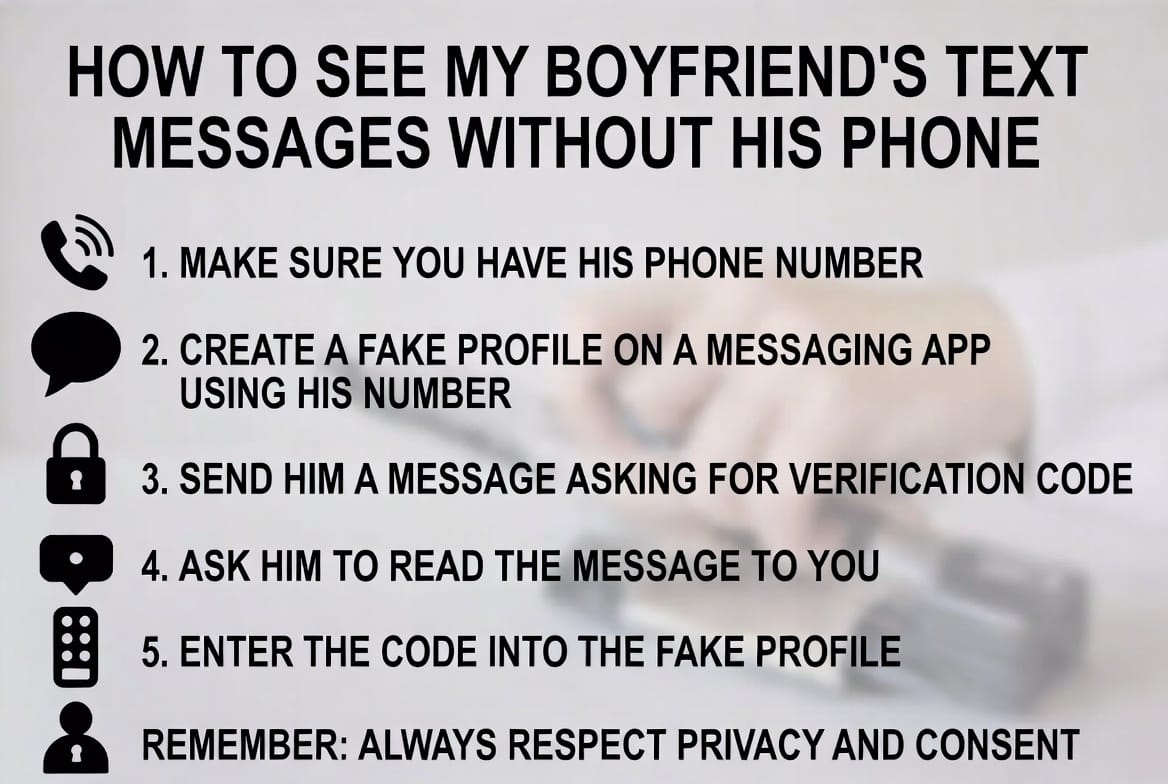
That feeling in the pit of your stomach is all too real. You notice his phone face down more often, hear it buzz with a notification he quickly di The Truth About Checkingsmisses, or sense a new distance in his conversations. The question “who is my boyfriend texting?” starts as a whisper in your mind and can grow into a constant, anxious noise. You might be searching for a technical solution, hoping to find a way how to see my boyfriends text messages without his phone to quiet that fear.
Updated February 2026
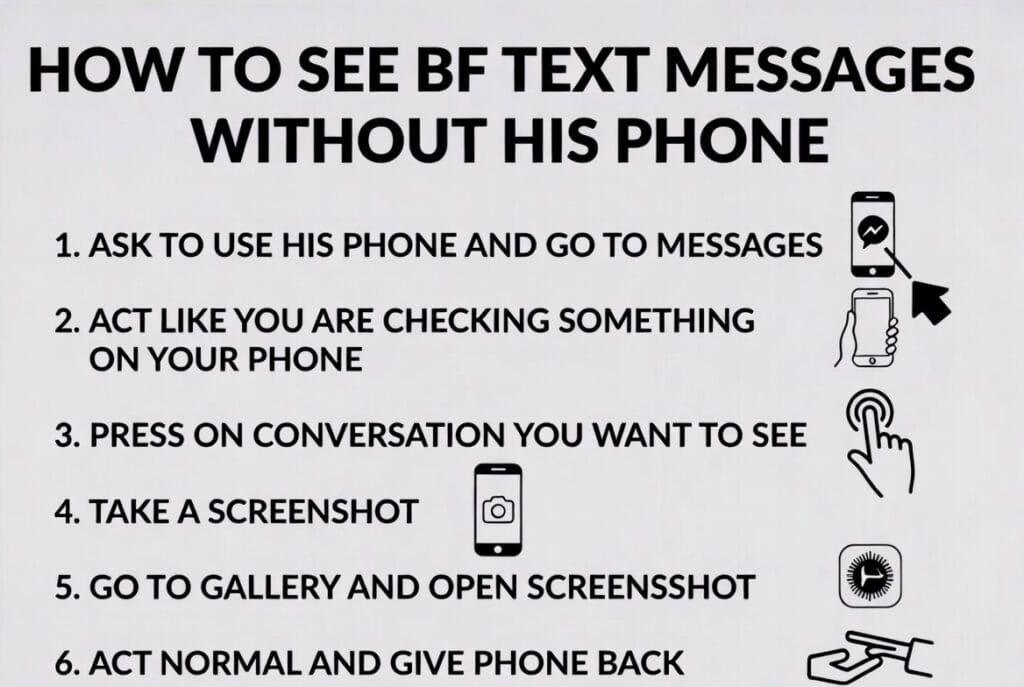
With ten years of experience in cybersecurity and digital forensics, I’ve consulted on the painful aftermath of this situation many times. This guide will provide the clarity you need, explaining what is technically possible, the serious legal and personal risks involved, and why the healthiest path to answers rarely involves secret software.
The Uncomfortable Truth: Legal Boundaries and Technical Realities
Before exploring any method, you must confront a non-negotiable fact. In virtually every jurisdiction, including under laws like the Computer Fraud and Abuse Act in the United States and similar legislation globally, accessing another adult’s private digital communications without their explicit consent is a crime. This isn’t a minor offense; it can be prosecuted as computer fraud, stalking, or invasion of privacy, carrying penalties that include fines and imprisonment.
The technical reality is equally strict. Modern smartphones are designed with powerful security. The idea of magically accessing another person The Truth About Seeing’s live text messages remotely, with no prior access to their device or accounts, is largely a fantasy peddled by scams. True “remote” monitoring in the consumer space almost always requires an initial step that breaches this boundary, such as having their cloud credentials or having previously installed software.
How Monitorin Who Is My Boyfriendg Technology is Marketed vs. How It Actually Works
The marketplace is filled with applications that promise insight. To understand your options, you must dissect their claims from their mechanics.
The Core Requirement: Access
Most monitoring software requires an initial point of access. For Android devices, this is typically a one-time physical installation. For iPhones, which have a more locked-down system, many apps require the target’s iCloud username and password to sync data from backups. The promise of “no touch” access usually hinges on already having this crucial information.
The Data Pipeline
These apps don’t intercept messages from the air. They work by:
- Being installed on a device or linked to a cloud account.
- Collecting data (texts, call logs, location) as it is generated or stored.
- Sending that data to a private online dashboard that you, as the installer, can view from your own browser.
This is a critical distinction: they are reporting tools for data they can access, not magical hacking wands.
A Detailed Look at Specific Monitoring Applications
Let’s examine the three apps you’ve asked about. It is imperative to state that using these to monitor an adult partner without their knowledge is illegal and considered stalkerware—a tool of digital abuse.
1. mSpy: The Extensive Monitoring Suite
mSpy is one of the most established names in the commercial monitoring space, known for a wide array of features.

- Core Features for Text Monitoring: mSpy logs SMS and iMessages, allowing you to see the content, contact, and timestamp. It extends this to popular social media and chat apps like WhatsApp, Snapchat, Facebook Messenger, and Instagram DMs.
- Additional Capabilities: It includes GPS location tracking, geofencing alerts, call log monitoring, and a keylogger to record typed keystrokes.
- How It Works: For Android, it requires physical installation. For iPhone, it uses iCloud credentials. It does not work without one of these access points.
- Important Considerations: Independent reviews and consumer reports have highlighted that mSpy has suffered significant data breaches in the past, exposing the personal information of both the people using the service and those being monitored.
2. Sphnix Tracking App
Sphnix is marketed as a discreet surveillance solution, often discussed in more opaque online circles.

- Reported Core Features: According to its promotional material, Sphnix tracks calls, text messages (SMS), social media activity, and GPS location. It is designed to operate in a stealth mode.
- Primary Legal Use Case: Its marketing is vague but leans towards covert surveillance rather than mainstream parental control. This ambiguity is a red flag, as it suggests use cases that likely violate terms of service and the law.
- Key Consideration: Information on Sphnix is less readily available from neutral tech analysts. You should be extremely cautious, as services like these are frequently associated with scams or highly questionable privacy practices.
3. Parentaler: Focused on Parental Control
As the name suggests, Parentaler is explicitly presented as a tool for parents to safeguard their children.

- Typical Feature Set: It focuses on monitoring text messages and social media chats, tracking a device’s location, filtering web content, and managing screen time.
- Philosophy and Design: It is built with the stated goal of helping parents guide their children’s digital habits, not for covert partner surveillance.
- The Critical Misuse: Using a parental control app to spy on an adult partner is a clear violation of its intended purpose, a breach of trust, and illegal. It represents a fundamental misunderstanding of the tool’s design.
The Severe and Lasting Consequences of Covert Surveillance
Choosing to spy is not a risk-free path to answers. It invites consequences that can permanently alter your life.
- Legal Repercussions: Criminal charges can lead to a permanent record, affecting employment, housing, and future relationships. Civil lawsuits for invasion of privacy can result in substantial financial judgments against you.
- Irreparable Relationship Damage: If discovered, the betrayal of trust from surveillance is often the final, unforgivable act. It confirms every fear about broken honesty and usually ends the relationship in the most painful way possible.
- Becoming a Victim Yourself: The spyware industry is riddled with poor security. By using these apps, you may be handing your personal data, payment information, and illicit activities to hackers. Major brands like mSpy have been hacked, leaking their customers’ data.
- Emotional and Moral Toll: Living with a secret of this magnitude creates constant anxiety. It can damage your own self-respect and trap you in a cycle of suspicion rather than leading you toward resolution.
The Healthier Path: From Suspicion to a Real Resolution
If your doubts are powerful enough to make you consider illegal surveillance, the core issue is a crisis of trust within the relationship. A technical fix cannot solve an emotional and relational problem. Here is a more constructive, if more difficult, path forward.
- Start with Self-Reflection: Honestly ask yourself about the source of your suspicion. Is it based on specific, observable changes in his behavior, or is it fueled by your own past experiences or insecurities? Understanding this is crucial.
- Initiate a Direct, Calm Conversation: This requires courage. Choose a private, neutral time. Use “I feel” statements instead of accusations. For example: “I’ve been feeling insecure and disconnected in our relationship lately, and it’s really worrying me. I value what we have, and I need to talk about what’s going on.” This focuses on your feelings and opens a dialogue.
- Seek Professional Guidance: If communication is too difficult or leads nowhere, a licensed relationship counselor can be invaluable. They provide a neutral, structured space to facilitate honest discussion and address underlying issues of trust and communication.
- Honestly Evaluate the Relationship: If the trust is so broken that secret spying seems like the only option, it may be a sign that the foundation is already too damaged. It takes immense strength to end a relationship built on mistrust, but it is far healthier than building a prison of surveillance.
When Professional Cybersecurity Services Are the Right Choice
You may wonder about services like SpyWizards. As a professional ethical hacking firm, we operate in a completely different, legal, and ethical arena. Our work involves:
- Authorized Digital Forensics: Legally recovering data from devices you own for court cases or internal investigations.
- Security Audits and Defense: Testing a company’s cyber defenses with full permission, or helping individuals secure their devices against unauthorized spyware and hacking.
- Incident Response: Helping victims of cyberstalking or digital harassment identify and remove malicious software from their devices.
We are experts in protecting privacy and security, not in violating it for personal suspicions. If you believe you are being monitored, those are the services that can lawfully help you.
Conclusion: Choose the Path of Integrity
The search for a secret way to see my boyfriends text messages without his phone is a quest for a technological shortcut around a human problem. The shortcuts are fraught with legal danger, ethical violation, and personal risk. Tools like mSpy, Sphnix, and Parentaler have specific, legal purposes, and twisting them into instruments of covert relationship surveillance is an abuse that often backfires catastrophically.
True peace of mind does not come from accessed data; it comes from clarity. That clarity is achieved through honest communication, professional help, or the difficult decision to leave a situation that forces you to choose between your integrity and your anxiety. Invest your energy in the path that allows you to look at yourself in the mirror with respect. That is the only foundation for a secure future, whether it includes him or not.
Frequently Asked Questions (FAQs)
Q1: What if I’m just worried about his safety or that he’s involved with dangerous people?
Genuine concern for a partner’s wellbeing is valid. The healthiest approach is to express this care directly. You could say, “I care about you deeply, and I sometimes worry about your safety, especially with so many scams out there. Can we talk about how we both stay safe?” This builds a partnership rather than a secret investigation.
Q2: Can’t I just use his Apple ID or Google password if I know it?
Knowing a password is different from having consent to use it for surveillance. Using credentials that may have been shared for convenience (like to download an app) to secretly monitor someone’s private life is a clear violation of trust and is legally considered unauthorized access.
Q3: What are the telltale signs that my own phone might have spyware installed on it?
Be alert to sudden, unexplained changes: a battery that drains dramatically faster than usual, the device feeling warm when you’re not using it, unusual lag or slow performance, unexpected pop-ups, or a significant increase in mobile data usage. If you suspect you are a victim, seek help from a reputable cybersecurity professional to diagnose and remove the threat
Safety and Authorization Note
Use cybersecurity guidance only on accounts, devices, and networks you own or are clearly authorized to review. If you are dealing with account recovery, suspicious logins, device privacy concerns, or business security checks, document what happened, preserve alerts or recovery emails, and avoid sharing passwords, one-time codes, private keys, or financial details. Spy Wizards focuses on lawful support, ethical security review, privacy protection, and practical recovery steps that reduce risk without crossing consent boundaries.
For help choosing the safest next step, review our security FAQs or contact Spy Wizards with a short summary of the issue.
Leave a Reply