The idea of screen mirroring my boyfriend’s phone seems like a technological solution to an age-old human emotion: the desire to know. Perhaps you want to help with a technical issue, share a funny video easily, or, in moments of doubt, seek undeniable clarity. Screen mirroring, at its legitimate core, is a powerful tool for collaboration and sharing.
Updated February 2026
However, when applied to a partner’s personal device without their knowledge, it enters a dangerous and unethical territory. With over a decade of experience in mobile technology and digital security, I’ve seen how the quest for transparency can cross into surveillance. This guide will demystify what screen mirroring truly is, separate it from the covert monitoring apps often mistaken for it, and outline the critical legal and personal boundaries you must understand.
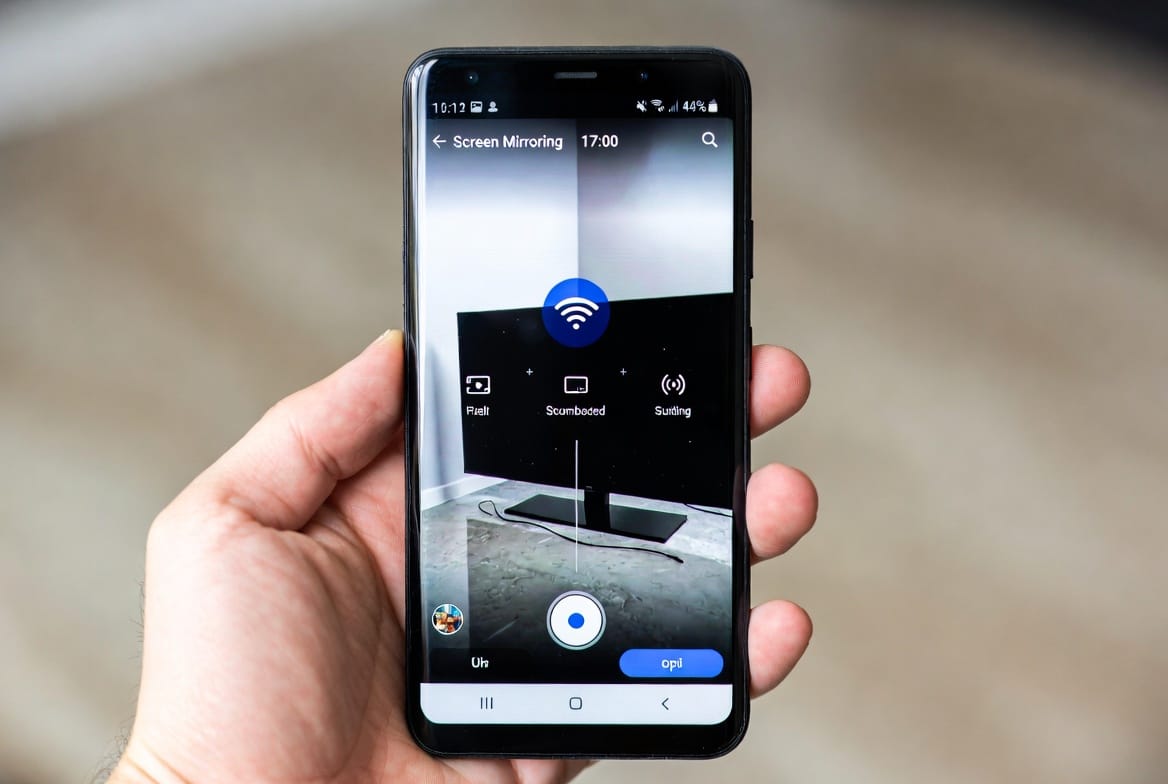
True screen mirroring is a consensual process of displaying the live contents of one device’s screen onto another. Think of presentations cast to a TV, or playing a mobile game on a larger monitor. This requires:
Active Cooperation: Both devices must be on the same Wi-Fi network or paired via Bluetooth.
Explicit Initiation: The person whose screen is being shared must actively select the “Cast” or “Screen Mirroring” option and choose the target display.
Physical Proximity: It typically works over a local network, meaning both people are usually in the same location.
Legitimate uses include tech support, sharing photos/videos on a bigger screen, or collaborative work. It is not a tool for remote, secret surveillance.
The Misconception: “Monitoring Apps” vs. True Mirroring
When people search for screen mirroring my boyfriends phone to see his activity secretly, they are not looking for Google Cast. They are seeking remote surveillance software, often called stalkerware. These are fundamentally different technologies.
The table below clarifies the distinction between real mirroring and the types of apps often linked to this search:
Feature
Real Screen Mirroring (e.g., Google Cast, AirBeamTV)
Apps like mSpy and Parentaler are data loggers, not screen streamers. Here’s what they actually do:
mSpy: This is a comprehensive monitoring suite. It logs text messages (SMS and from apps like WhatsApp), call history, GPS location, browser history, and keystrokes. It collects this data and presents it in a structured online dashboard. It does not provide a live, viewable mirror of the phone’s screen. Its installation requires physical access and is designed to be hidden.
Parentaler: Marketed as a parental control app, it functions similarly, focusing on location tracking, app usage monitoring, and call/SMS logging. It operates discreetly to give parents insights into a child’s activity but, again, does not offer live screen casting.
Sphnix (via Cybersecurity Marketplace): The provided link leads to a service for hiring vetted ethical hackers for security audits, penetration testing, and data recovery. This is not a consumer app for screen mirroring or spying. Using such a service to compromise a partner’s phone is illegal and unethical.
The Legal and Ethical Reality: Consent is Everything
The legal boundary is unambiguous. Secretly installing any software on another adult’s phone to monitor their activity is illegal. This violates federal and state computer fraud, privacy, and anti-stalking laws.
Even if a tool claimed to offer remote screen mirroring my boyfriends phone without his knowledge, using it would be a serious crime. The consequences extend beyond the law:
Destruction of Trust: Discovery guarantees a catastrophic breach of trust, often ending the relationship.
Psychological Harm: Being surveilled is a deeply violating experience that causes lasting anxiety and trauma.
Legal Repercussions: You could face criminal charges, restraining orders, and civil lawsuits.
Featured Platforms: What They Are and Are Not
Let’s examine the specific platforms mentioned to understand their actual functions.
1. mSpy: The Data Monitoring Suite mSpy is a powerful tool for collecting digital footprints. It provides detailed reports on a device’s activity but requires installation on the target phone. Its “invisible mode” is a hallmark of stalkerware, designed to avoid detection.
Important: Using mSpy to covertly monitor a partner is a prosecutable offense, not a path to “screen mirroring.”
2. Parentaler: Parental Control Application Parentaler is designed for parents to oversee their children’s device use. Its features—location tracking, app blocking, call monitoring—are for child safety, not partner surveillance.
Remember: Repurposing a parental control app to spy on your boyfriend is a clear abuse of the technology and a violation of his privacy.
3. The “Sphnix” Cybersecurity Marketplace This service connects clients with professional, vetted ethical hackers for legitimate security work like vulnerability testing or recovering a lost account. It is not a source for spyware.
Critical Point: Attempting to hire a cybersecurity professional to hack your boyfriend’s phone is a serious crime and a gross violation of professional ethics.
If you have a genuine, consensual reason to view your boyfriend’s screen, here are legal methods:
Use Built-in Screen Sharing Features:
For Android to Android/PC: Use Google Cast or the “Smart View” feature (Samsung). He must enable it.
For iPhone to iPhone/Mac: Use AirPlay. He must initiate the share.
Cross-Platform: Use video call apps like Zoom, Google Meet, or Discord. He can share his screen within the call.
Ask and Offer Help: The simplest method. “Hey, I can help you fix that setting if you want to share your screen with me on a video call?”
Establish Mutual Digital Trust: If transparency is the goal, discuss it openly. Some couples mutually agree to share locations using Find My or Google Maps. This is based on choice, not coercion.
Conclusion: Choose Connection Over Covert Operations
The fantasy of secretly screen mirroring my boyfriends phone is just that—a fantasy built on unethical technology. Real screen mirroring requires participation, and surveillance apps provide data logs, not a magical live feed. Both paths, when taken without consent, lead to the same destination: broken trust and serious legal risk.
Healthy relationships are built on communication, not surveillance. If you feel the need to see your partner’s screen, the solution isn’t a hidden app; it’s an open conversation. Choose to build bridges of trust through honesty, because technology used as a weapon always destroys the connection you’re trying to protect.
If you are struggling with insecurity or trust issues in your relationship, the most effective and ethical step is to seek guidance from a professional relationship counselor.
Q1: Is there any app that can truly mirror a phone screen without the person knowing? No legitimate app can mirror a live phone screen without the active, ongoing cooperation of the person using that phone. Any service claiming to do so is either a scam, malware, or an illegal stalkerware tool that collects data but does not provide true, real-time screen casting as understood by standard mirroring technology.
Q2: Can my boyfriend tell if I’ve installed a monitoring app like mSpy on his phone? Yes, it’s possible. While designed to be hidden, these apps can cause noticeable side effects: significantly faster battery drain, unusual phone overheating, increased data usage, or occasional sluggish performance. A tech-savvy user might also find the app in the device’s application list or through a security scan.
Q3: We sometimes use screen mirroring to watch videos together. Is that safe? Absolutely. When you both consent to use features like Google Cast or AirPlay to share content on a TV, that is the safe, correct, and intended use of the technology. The ethical line is crossed only when screen sharing is done deceptively or without the knowledge of the person whose screen is being shared.




Leave a Reply